Global Travel Advisories Shift as Hondius Andes Hantavirus Event Prompts Precautionary Measures
International health agencies and governments are updating travel guidance for cruise passengers, particularly those with recent itineraries on the MV Hondius Andes, amidst ongoing hantavirus monitoring and response efforts in Praia, Cape Verde.
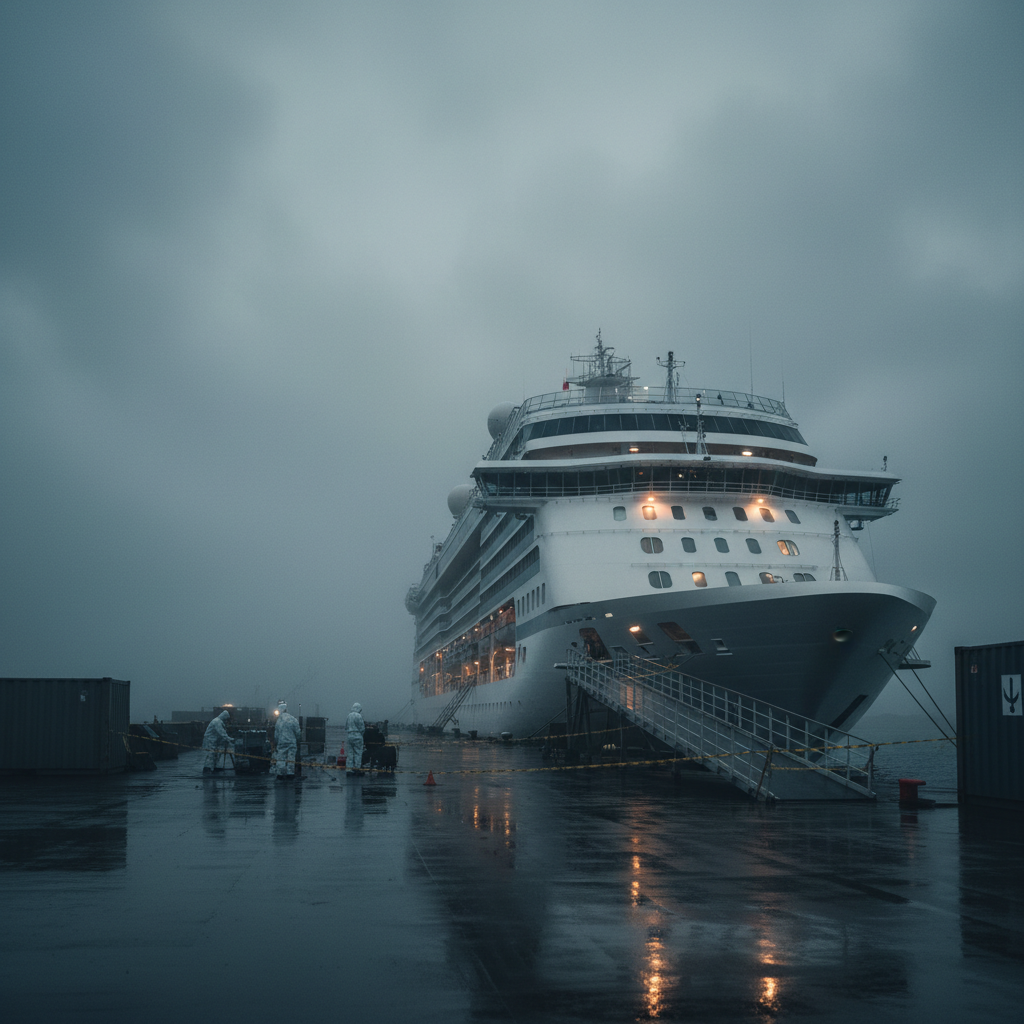
International Response to MV Hondius Andes Event
As of October 17, 2026, governments worldwide are reassessing and updating their travel advisories, with a particular focus on cruise ship passengers who may have been exposed to hantavirus during the MV Hondius Andes incident. The vessel remains anchored off Praia, Cape Verde, since May 2026, undergoing extensive sanitation protocols and medical observation of its passengers and crew. Several nations, including the United States, Canada. Various European Union member states, have issued specific guidance recommending that individuals who disembarked from the MV Hondius Andes after early May 2026 contact their national public health authorities for further instructions, including potential voluntary health monitoring or testing. These recommendations are based on the incubation period of hantavirus and the ongoing risk assessment by organizations such as the World Health Organization (WHO) and the European Centre for Disease Prevention and Control (ECDC).
State-by-State and Country-by-Country Guidance
North America
In the United States, the Centers for Disease Control and Prevention (US CDC) has advised a heightened level of vigilance for individuals with recent cruise travel histories, especially from the South Atlantic region. Specific state health departments, particularly in coastal states like Florida, California, and New York, have established hotlines and online portals for returning travelers to report potential symptoms.The US CDC's guidance emphasizes the importance of symptom awareness (fever, muscle aches, fatigue. Severe respiratory distress) and seeking immediate medical attention if symptoms develop within six weeks of potential exposure. Canada's Public Health Agency (PHAC) has echoed similar advice, urging Canadian citizens and permanent residents who were on the MV Hondius Andes to register with their provincial health authorities upon return. Mexico has too issued general warnings for travelers returning from affected regions, advising enhanced health screening at ports of entry.
Europe
European Union member states, coordinated by the ECDC, have implemented varying levels of precautionary measures.Countries such as Germany, France. The United Kingdom (post-Brexit) have specifically advised their citizens returning from cruises in the South Atlantic that passed through or near Cape Verde since May 2026 to consult with their general practitioners. The ECDC has published a risk assessment detailing the potential for imported cases and has recommended that clinicians be alert to unusual respiratory illness presentations in travelers from affected areas. Publicly reported figures from EU nations indicate a strong contact tracing effort for all passengers who disembarked from the Hondius Andes in European ports before its anchoring in Praia.
Africa
Within Africa, the Africa Centres for Disease Control and Prevention (Africa CDC) has been working closely with Cape Verdean authorities to manage the situation on the ground. Several neighboring West African nations, out of an abundance of caution, have implemented enhanced health screening at their international airports and seaports for passengers arriving from or transiting through Cape Verde. These measures are primarily focused on early detection and prevention of community transmission, although officials say the risk of widespread importation remains low due to the nature of hantavirus transmission.
Asia and Oceania
Asian and Oceanic countries, while geographically distant, have also reacted. Australia and New Zealand's health ministries have issued advisories for their citizens planning international cruise travel, recommending a review of health protocols and insurance coverage. For returning citizens from the MV Hondius Andes, specific guidance on self-monitoring and immediate reporting of symptoms to local health departments has been circulated.
Future Outlook and Health Protocols
The International Maritime Organization (IMO) continues to work with health agencies to develop updated maritime health protocols to prevent future outbreaks on cruise vessels. Discussions are ongoing regarding standardized international health declarations and enhanced onboard surveillance systems. Officials from various health bodies stress that while the current situation is serious for those directly affected, hantavirus is not typically transmitted person-to-person, which mitigates the risk of rapid global spread via conventional travel. Though, the unique circumstances of a confined cruise environment necessitated stringent and ongoing public health interventions.
Sources
- World Health Organization (WHO): https://www.who.int
- European Centre for Disease Prevention and Control (ECDC): https://www.ecdc.europa.eu
- Africa Centres for Disease Control and Prevention (Africa CDC): https://africacdc.org
- US Centers for Disease Control and Prevention (US CDC): https://www.cdc.gov
- Public Health Agency of Canada (PHAC): https://www.canada.ca/en/public-health.html
- International Maritime Organization (IMO): https://www.imo.org
- Reuters: https://www.reuters.com



