Global Travel Advisory Landscape Shifts Amid Hondius Andes Hantavirus Event
International and national health agencies are updating travel guidance for cruise passengers, particularly those with recent exposure to the MV Hondius Andes, as the hantavirus outbreak continues to influence global public health strategy.
International Bodies Issue Clarified Guidance for Travelers
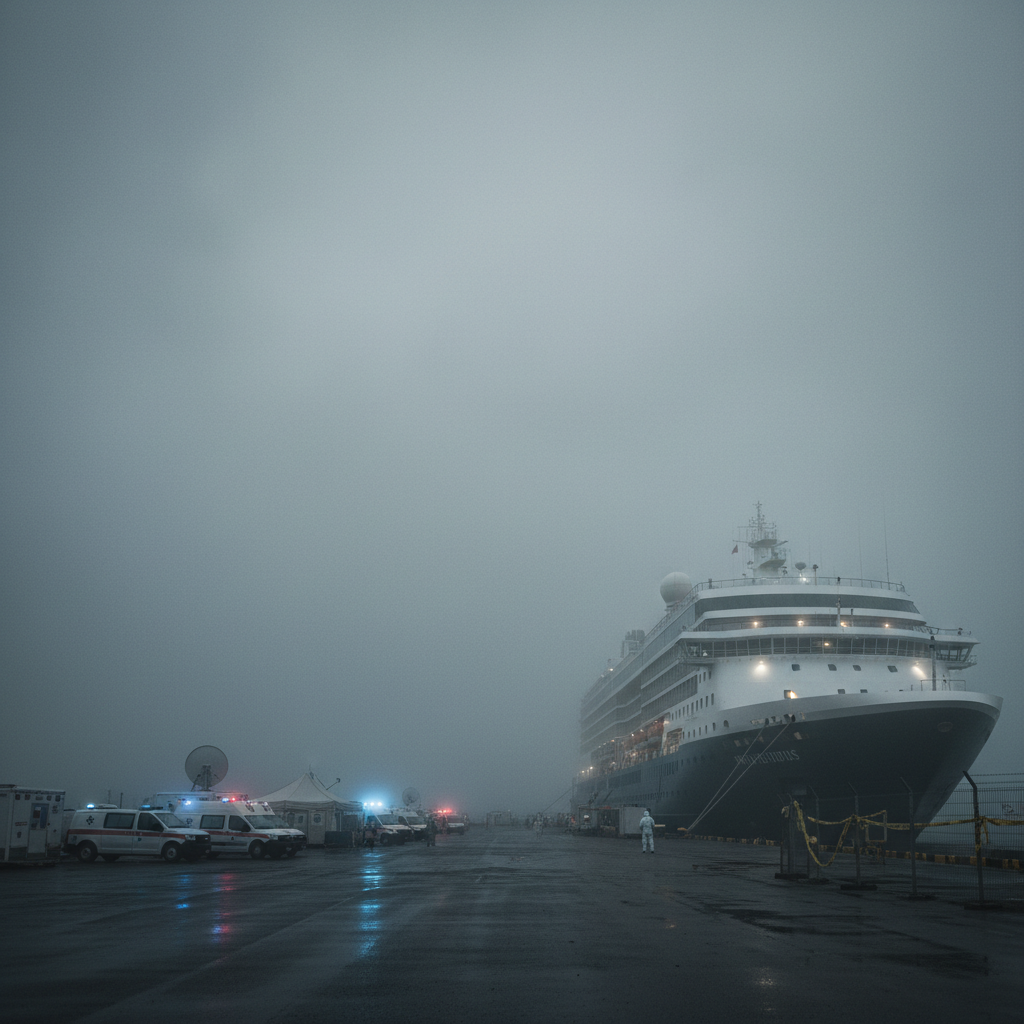
Praia, Cape Verde – September 11, 2026 – As the MV Hondius Andes remains anchored off the coast of Praia, international health organizations have further refined their travel advisories concerning the hantavirus outbreak originating from the vessel. The World Health Organization (WHO) has reiterated its recommendation for all individuals who disembarked from the MV Hondius Andes since early May 2026 to follow specific health monitoring protocols for 45 days post-disembarkation, regardless of their nationality or destination. This guidance emphasizes self-monitoring for symptoms such as fever, muscle aches, and shortness of breath, and immediate medical consultation if symptoms develop. The WHO is coordinating with national health authorities to ensure consistent messaging and support for returnees globally. Simultaneously, the European Centre for Disease Prevention and Control (ECDC) has issued updated guidance for its member states, advising a high degree of vigilance for individuals presenting with compatible symptoms and a recent travel history linked to the MV Hondius Andes. The ECDC guidance, as of September 9, 2026, stresses the importance of strong contact tracing efforts for passengers and crew, and calls for standardized diagnostic procedures across the European Union. While no blanket travel restrictions have been imposed on cruise travel, the ECDC recommends that individuals at higher risk of severe outcomes from respiratory illnesses exercise caution when considering any form of cruise travel until the epidemiological situation is fully resolved.
Country-Specific Measures Reflect Varied Risk Assessments
National health agencies are implementing advisories that reflect both international recommendations and their own domestic epidemiological considerations. The United States Centers for Disease Control and Prevention (US CDC) has maintained its Level 2 Travel Health Notice for the Cape Verde region, advising travelers to 'Practice Enhanced Precautions.' For returning U.S. Citizens and residents who were on the MV Hondius Andes, the US CDC has issued specific instructions for state health departments to monitor these individuals and provide support. Several U.S. States have independently activated their public health emergency operations centers to manage the influx of data and inquiries related to returning cruise passengers. In Africa, the Africa Centres for Disease Control and Prevention (Africa CDC) is working closely with national public health institutes, particularly in West African nations, to bolster surveillance and laboratory capacity. For countries that had citizens or residents on board the MV Hondius Andes, the Africa CDC has advised enhanced port health screening and community awareness campaigns. Public health authorities in several West African nations have communicated specific quarantine or self-isolation recommendations for returning passengers, depending on their individual exposure risk assessment. These measures are dynamic and subject to change based on evolving data.
Maritime Industry Adapts to Evolving Public Health Demands
The International Maritime Organization (IMO), in collaboration with WHO and national health bodies, continues to issue circulars advising cruise line operators on best practices for outbreak prevention and response. While the IMO doesn't issue travel advisories directly, its guidance influences the operational policies of cruise lines. Several major cruise operators have implemented stricter pre-boarding health screenings and enhanced onboard sanitation protocols across their fleets. Some lines have also adjusted itineraries or suspended voyages in areas deemed to be at elevated risk, though specific details vary by company and destination. The unconfirmed reports of hantavirus cases linked to individuals who disembarked the MV Hondius Andes have led to a cautious approach from many nations.For example. Canada has not issued a specific travel ban, Health Canada has strongly advised its citizens to reconsider non-essential cruise travel, particularly if they have underlying health conditions. In Australia, the Department of Health and Aged Care has provided detailed guidance for medical practitioners on managing potential hantavirus cases with a travel history linked to the outbreak, alongside urging travelers to consult official government websites for the latest advice before booking international travel. The global response highlights the complex interplay between international health regulations, national public health mandates. Individual travel decisions in the face of an evolving infectious disease threat. Travelers are consistently advised to consult the official websites of their national health authorities and the WHO for the most current and accurate information before undertaking any international travel, especially by cruise ship.
Sources
- World Health Organization (WHO) Travel Advice
- European Centre for Disease Prevention and Control (ECDC) Travel Health
- Africa Centres for Disease Control and Prevention (Africa CDC)
- U.S. Centers for Disease Control and Prevention (US CDC) Travel Health Notices
- International Maritime Organization (IMO)
- Reuters News Service
- Associated Press (AP) News



