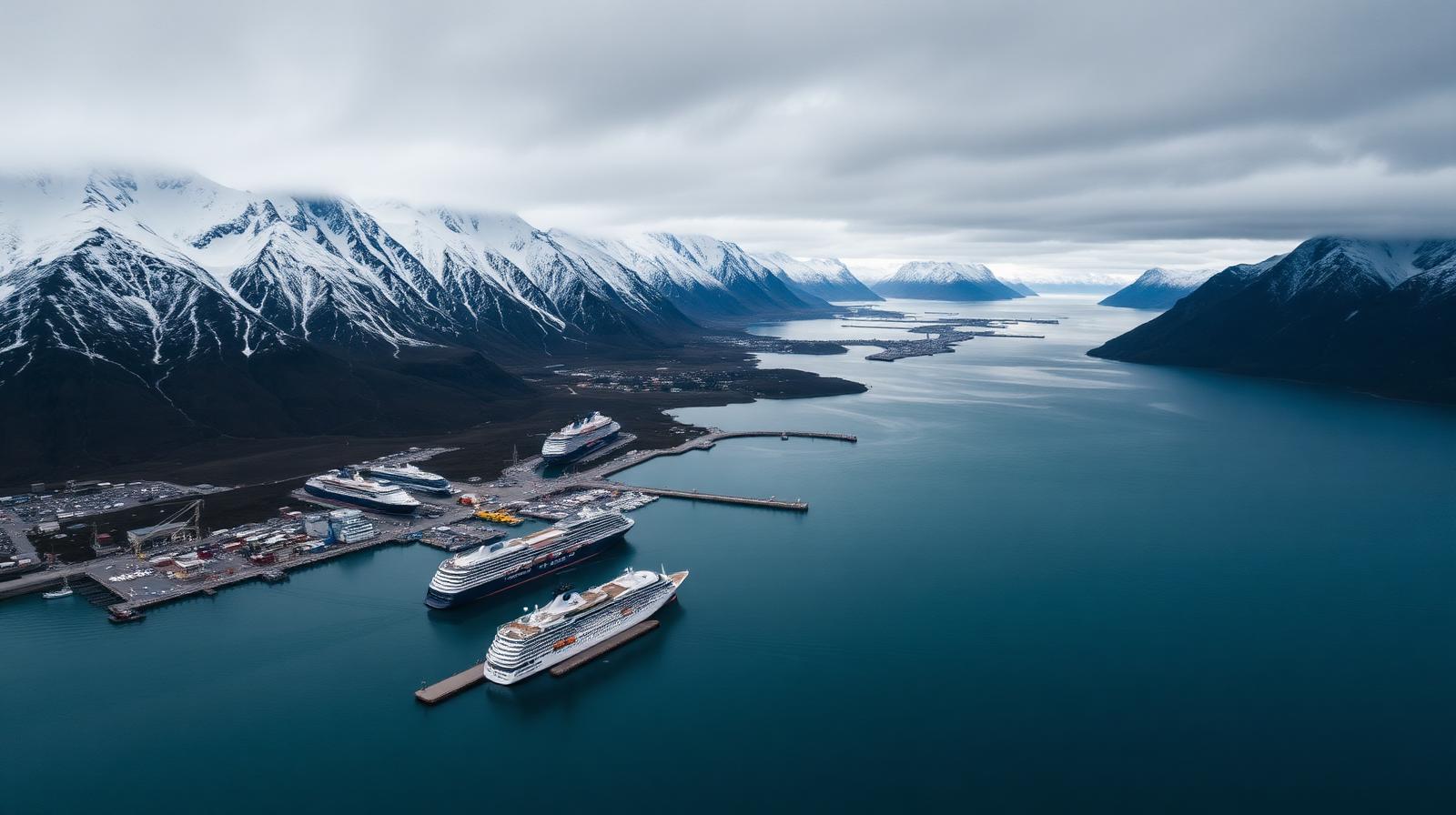
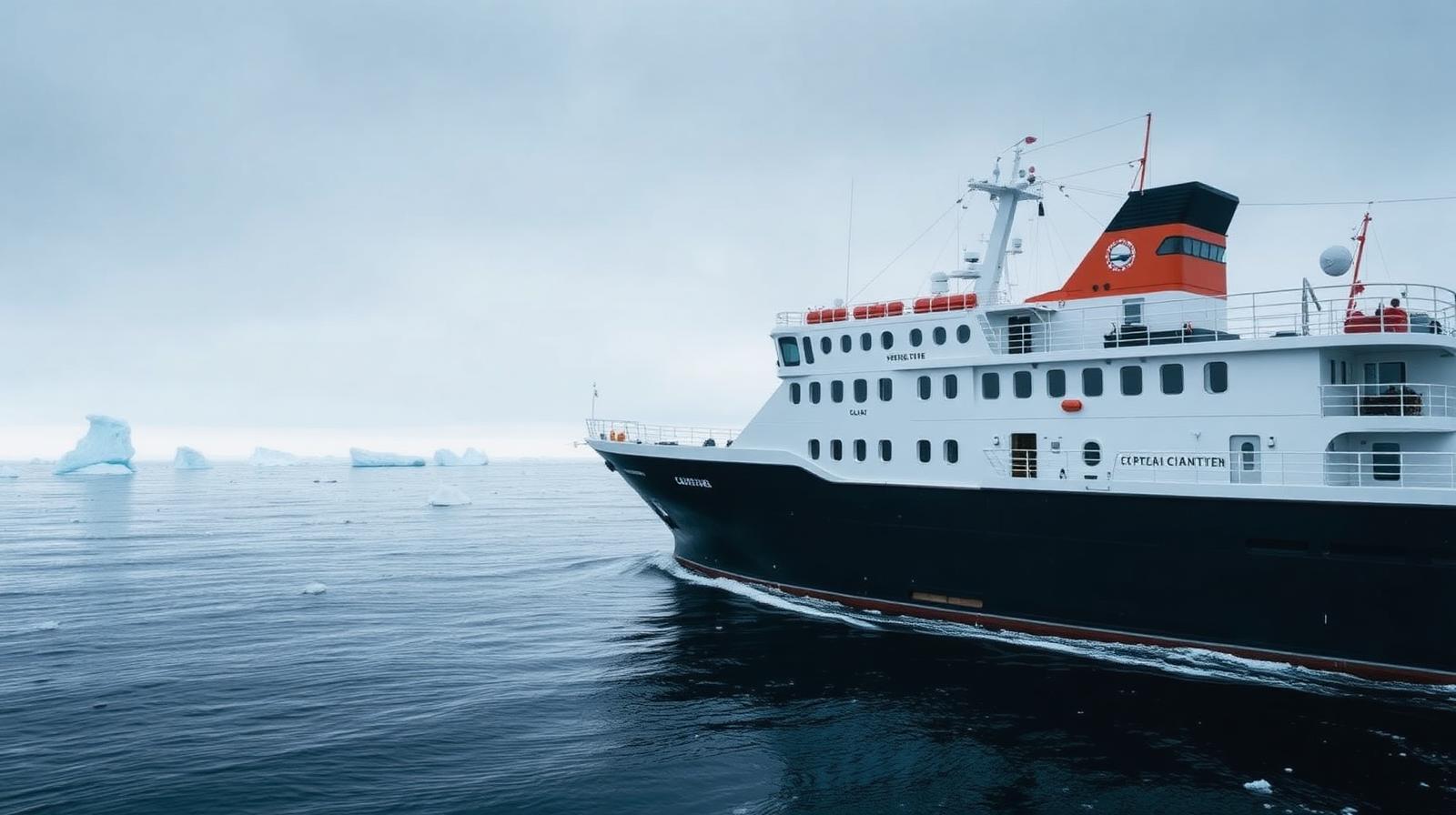
Global Travel Guidance Shifts Amidst MV Hondius Andes Hantavirus Outbreak
As the MV Hondius Andes remains anchored off Praia, health authorities worldwide issue revised travel advisories for cruise passengers, impacting entry requirements and quarantine protocols across multiple nations and US states.
International Response to Cruise Travel
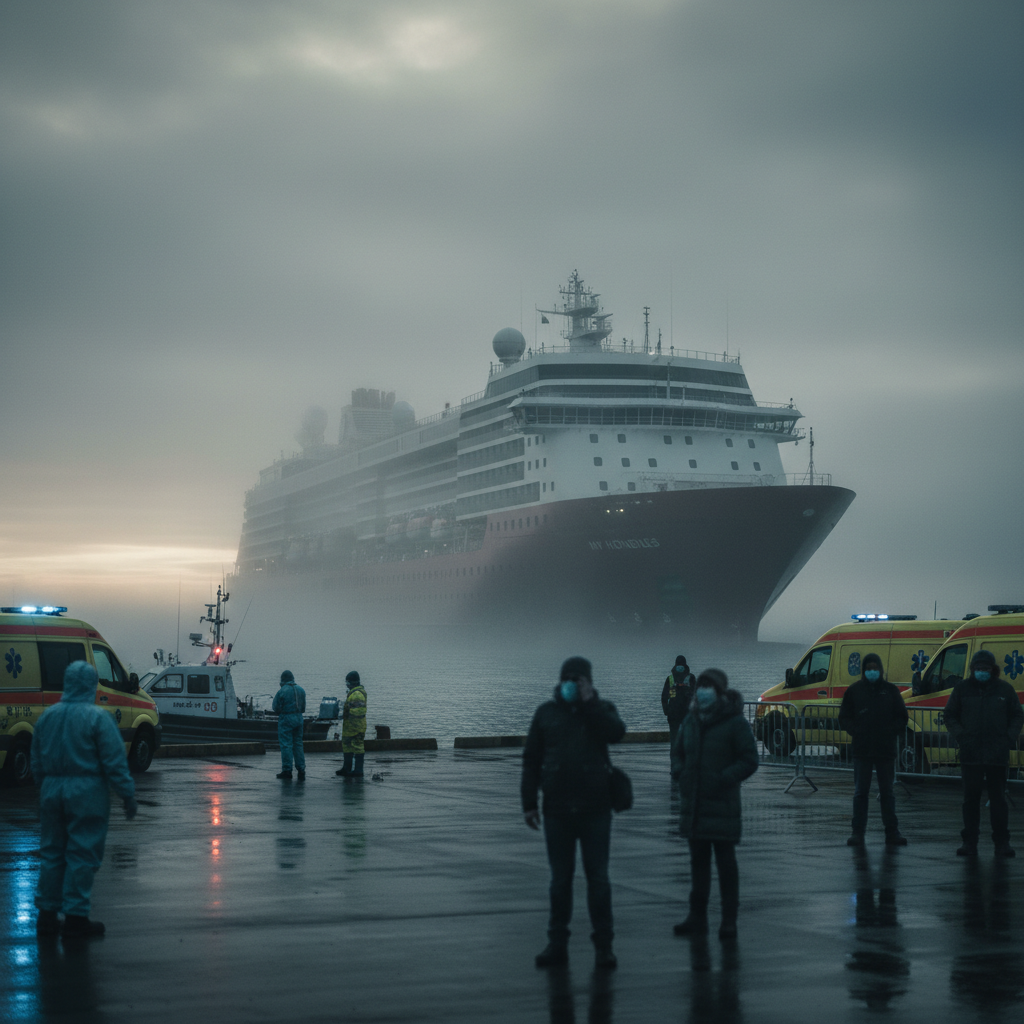
The ongoing situation surrounding the MV Hondius Andes, anchored near Praia, Cape Verde, has prompted a bigly and evolving response from international public health bodies and national governments. The incident, involving a confirmed hantavirus outbreak, continues to shape travel guidance, particularly for individuals recently aboard cruise vessels or planning future voyages. The World Health Organization (WHO) has maintained its guidance for international travel, emphasizing enhanced surveillance and risk assessment for travelers departing from or having recently visited affected regions or vessels. While the WHO doesn't generally recommend blanket travel bans, it advises member states to implement measures proportionate to public health risks, which in this context includes specific guidance for cruise travel. Public health officials indicate that the WHO's recommendations focus on preventing further international spread while minimizing unnecessary disruptions to trade and travel, aligning with the International Health Regulations (2005). Several countries have updated their entry requirements and health screenings for incoming passengers, particularly those arriving from regions associated with the MV Hondius Andes or those who have been on any cruise ship in recent weeks. The European Centre for Disease Prevention and Control (ECDC) has been monitoring the situation closely within the European Union/European Economic Area (EU/EEA) and has advised member states on protocols for identifying and managing potential hantavirus cases. This includes recommendations for health declarations and, in some instances, mandatory health screenings upon arrival for passengers with recent cruise travel history. Some EU member states have implemented a 10-day self-isolation period for cruise passengers, irrespective of symptom presentation, or a requirement for a negative hantavirus-specific test result obtained within a certain timeframe before arrival. These measures vary by nation, reflecting differing risk assessments and domestic public health capacities. Across the African continent, the Africa Centres for Disease Control and Prevention (Africa CDC) has been coordinating with member states to bolster port health surveillance. Given the MV Hondius Andes's anchoring off Cape Verde, regional authorities are particularly focused on screening individuals who may have had contact with the vessel or disembarked in nearby ports before the current containment measures. Some African nations have imposed strict entry restrictions or mandatory quarantine for individuals arriving from areas with confirmed hantavirus activity, or specifically for those with recent cruise ship travel.
United States State-Specific Guidance
Within the United States, travel guidance related to cruise passengers and the hantavirus outbreak has largely been managed at the state level, often in conjunction with recommendations from the Centers for Disease Control and Prevention (US CDC). The US CDC continues to issue updated health notices for cruise travel, advising travelers to be aware of the risks associated with communicable diseases on cruise ships and to follow all recommended health precautions. Specific states with major cruise ports or bigly populations of returning cruise travelers have implemented their own protocols:
- Florida: Health authorities in Florida have advised all individuals disembarking from cruise ships to self-monitor for symptoms for 21 days. While not universally mandatory, some local health departments have issued quarantine recommendations for individuals who were aboard specific cruises that had passengers later confirmed with hantavirus, or those sharing itineraries with the MV Hondius Andes before its current status. Entry into Florida for individuals arriving directly from international ports, particularly those associated with recent cruise travel, may involve enhanced health screenings. * California: California has implemented rigorous health screening at major international airports and seaports. For individuals arriving from areas impacted by the hantavirus outbreak or with recent cruise travel, California public health officials have recommended a 14-day voluntary self-quarantine period. Some local jurisdictions, such as those with major ports like Los Angeles and San Francisco, have made this a mandatory requirement under local health orders for specific high-risk groups. * Texas: Texas health officials have also issued advisories urging cruise ship passengers to monitor their health diligently for three weeks post-disembarkation. While a statewide mandatory quarantine for all cruise travelers is not in effect, certain local health authorities, especially near the Gulf Coast ports, have enacted stricter guidelines, including recommended or mandatory isolation for passengers from cruises flagged as high-risk by the US CDC. * New York: New York State has maintained a cautious approach. Travelers arriving from regions with bigly outbreaks, or those with recent cruise travel, are subject to heightened scrutiny. The state has encouraged all individuals with recent cruise travel to undergo testing if symptoms arise and has, at times, implemented mandatory quarantine for those arriving from specific high-risk international destinations or having been on particular cruise itineraries identified by public health agencies. * Other States: Many other US states have largely deferred to US CDC guidance, recommending vigilance and symptom monitoring for returning cruise passengers. But, some have advised caution against non-essential cruise travel, particularly for vulnerable populations, as the situation surrounding the MV Hondius Andes continues to unfold.
Cruise Industry Adaptations
The International Maritime Organization (IMO), in coordination with global health bodies, has been active in promoting adherence to health protocols on vessels. The cruise industry itself has responded with updated health and safety protocols across their fleets. These include enhanced sanitation, health screenings before boarding, and adjusted medical facilities on board to manage potential cases of infectious diseases. Several cruise lines have voluntarily suspended operations to specific regions or modified itineraries in response to the dynamic public health landscape. Travelers are strongly advised to check the latest guidance from their national and local health authorities, as well as their chosen cruise line, immediately before any planned travel. The situation remains fluid, with advisories and restrictions subject to rapid change based on epidemiological developments and public health assessments.
Sources
- World Health Organization (WHO) Travel Advice: https://www.who.int
- European Centre for Disease Prevention and Control (ECDC) Travel Information: https://www.ecdc.europa.eu
- Africa Centres for Disease Control and Prevention (Africa CDC) Health Advisories: https://africacdc.org
- U.S. Centers for Disease Control and Prevention (US CDC) Cruise Ship Travel: https://www.cdc.gov
- International Maritime Organization (IMO) Maritime Safety Information: https://www.imo.org
- Reuters Global Health News: https://www.reuters.com
- Associated Press (AP) International News: https://apnews.com
- British Broadcasting Corporation (BBC) World News: https://www.bbc.com