Hantavirus Cruise: Clinical Care Protocols Evolve for Hondius Andes Patients
As the MV Hondius Andes outbreak continues, medical authorities are refining treatment protocols for Hantavirus Pulmonary Syndrome (HPS) and Hantavirus Cardiopulmonary Syndrome (HCPS), emphasizing critical supportive care and advanced interventions.
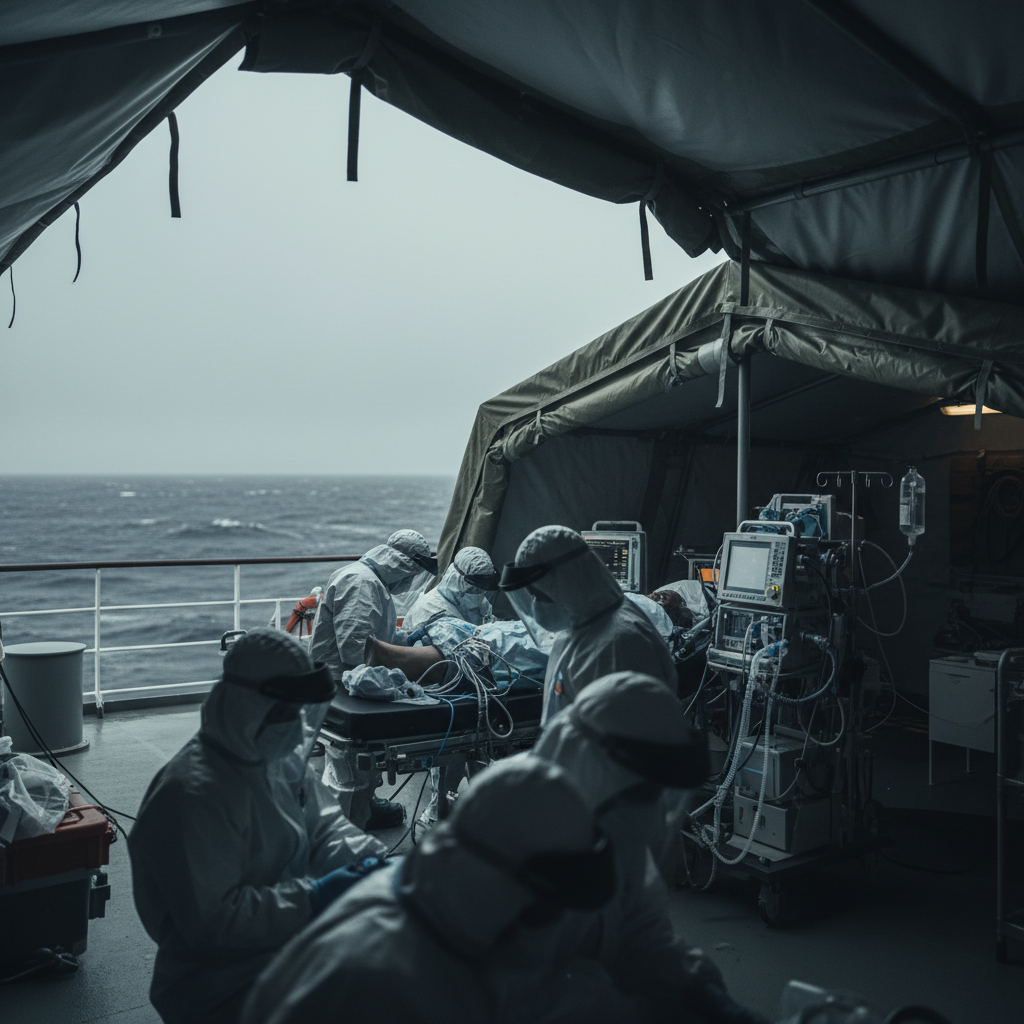
Focus on Supportive Care Amid Hantavirus Outbreak
Praia, Cape Verde – September 20, 2026 – Medical teams responding to the Hantavirus outbreak aboard the MV Hondius Andes are intensely focused on established clinical care protocols for patients presenting with Hantavirus Pulmonary Syndrome (HPS) and Hantavirus Cardiopulmonary Syndrome (HCPS). With no specific antiviral treatment available for Hantavirus infections, supportive care remains the cornerstone of clinical management. The progression of HPS/HCPS is typically rapid and severe, characterized by a prodromal phase followed by abrupt onset of respiratory distress and cardiovascular dysfunction. Early recognition and aggressive supportive therapy are paramount to improving patient outcomes, according to guidelines from international health organizations.
Core Tenets of Treatment
The primary objective of treatment is to manage the symptoms and complications arising from the virus's impact on the cardiopulmonary system. This involves careful monitoring and intervention across several key areas:
- Respiratory Support: Patients often develop severe pulmonary edema, leading to hypoxemia. Mechanical ventilation, including positive end-expiratory pressure (PEEP), is frequently required to maintain adequate oxygenation and ventilation. Careful fluid management is critical to avoid exacerbating pulmonary congestion while ensuring adequate perfusion. * Hemodynamic Management: Myocardial depression and increased vascular permeability can lead to circulatory shock. Vasoactive medications are often administered to support blood pressure and cardiac output. Continuous monitoring of cardiac function and intravascular volume is essential to guide these interventions. * Renal Support: Acute kidney injury can occur, necessitating renal replacement therapy (dialysis) in some cases. * Acid-Base and Electrolyte Balance: Close attention is paid to correcting metabolic derangements that can worsen organ dysfunction.
The Role of ECMO in Severe Cases
Extracorporeal Membrane Oxygenation (ECMO) has emerged as a crucial, albeit resource-intensive, intervention for patients experiencing severe, refractory HPS/HCPS. ECMO provides temporary cardiac and respiratory support by oxygenating the patient's blood outside the body, allowing the lungs and heart to rest and recover. For the MV Hondius Andes patients requiring such advanced care, logistics involve the careful transfer to facilities capable of providing ECMO, which are often specialized critical care units on mainland Cape Verde or in neighboring regions with advanced medical infrastructure. But, the availability of ECMO machines and trained personnel can be a limiting factor, particularly in resource-constrained settings. Decisions regarding ECMO initiation are complex, considering the patient's overall clinical picture, potential for recovery, and the bigly risks associated with the procedure.
Drivers of Mortality
Mortality in HPS/HCPS is largely driven by progressive cardiopulmonary failure. The rapid onset and severity of pulmonary edema, coupled with myocardial dysfunction, can lead to intractable shock and hypoxemia. Other contributing factors to mortality include:
- Delay in Diagnosis and Treatment: Early presentation with non-specific flu-like symptoms can sometimes lead to delays in recognizing HPS/HCPS, impacting the timeliness of critical supportive care. * Acute Respiratory Distress Syndrome (ARDS): The severe inflammatory response in the lungs can quickly progress to ARDS, making ventilation challenging. * Cardiogenic Shock: Profound myocardial depression can lead to severe heart failure. * Multi-Organ Failure: The systemic nature of the infection, though primarily affecting cardiopulmonary systems, can lead to failure of other organs if not managed effectively. Public health agencies, including the World Health Organization (WHO) and the U.S. Centers for Disease Control and Prevention (CDC), consistently emphasize that rapid transfer to critical care facilities with experienced staff and the necessary equipment bigly improves survival chances. The lessons learned from previous Hantavirus outbreaks underscore the importance of preparedness and swift, coordinated medical responses to manage these severe clinical presentations effectively. ---



