Hantavirus Cruise: Clinical Care Protocols Focus on Supportive Measures Amid Outbreak
As the MV Hondius Andes remains anchored, medical teams on and off-shore are prioritizing intensive supportive care for Hantavirus Pulmonary Syndrome (HPS) patients, leveraging advanced techniques like ECMO to manage severe respiratory and cardiac complications.
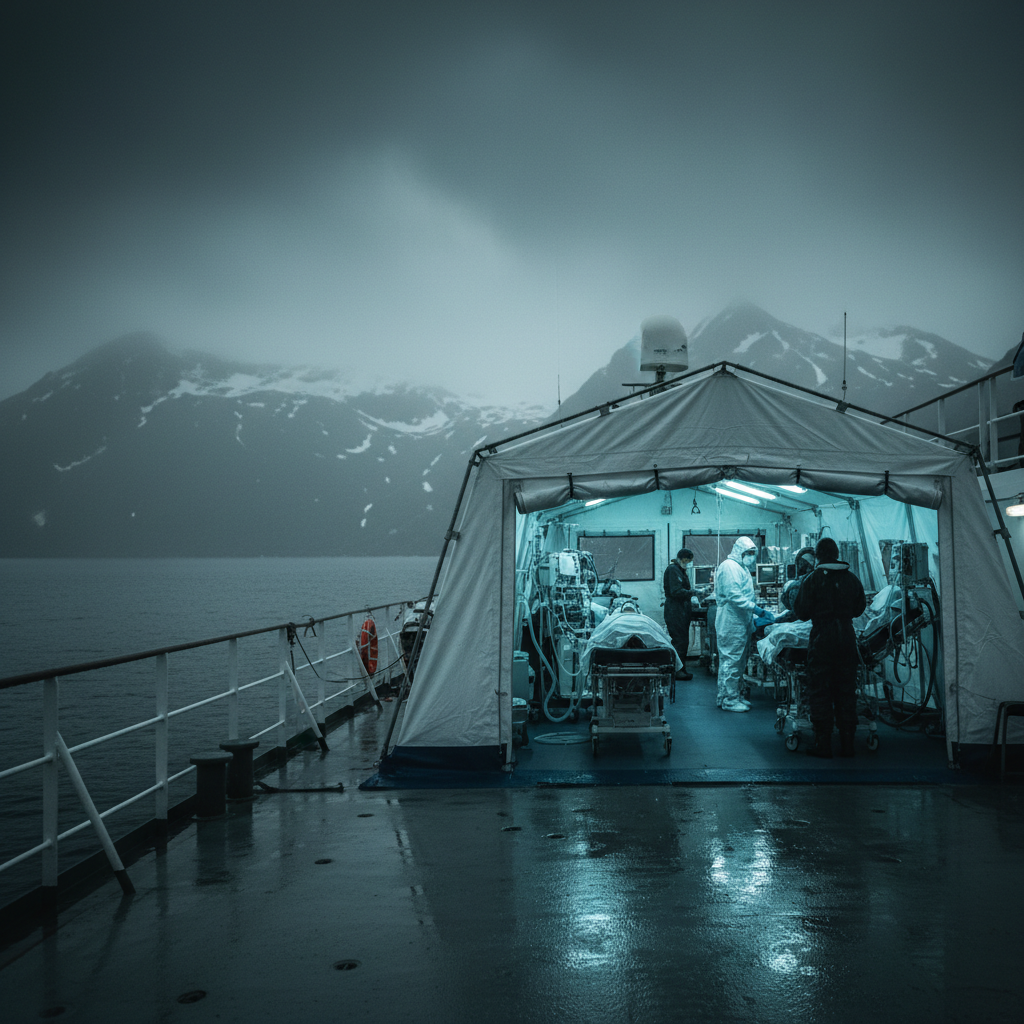
Intensive Supportive Care: The Cornerstone of HPS Treatment
PRAIA, CAPE VERDE – Clinical management of patients affected by Hantavirus Pulmonary Syndrome (HPS), as well known as Hantavirus Cardiopulmonary Syndrome (HCPS), stemming from the MV Hondius Andes outbreak, continues to rely heavily on advanced supportive care. With no specific antiviral treatment available for hantavirus infections, medical protocols focus on mitigating the severe effects of the disease, particularly the rapid progression to respiratory and cardiac failure. According to guidelines from leading public health organizations, including the World Health Organization (WHO) and the U.S. Centers for Disease Control and Prevention (US CDC), early recognition and immediate supportive care are critical for improving patient outcomes. This often begins with aggressive management of hypoxemia, a dangerous lack of oxygen in the blood, which can quickly lead to multi-organ failure. Patients experiencing the severe pulmonary phase of HPS typically require oxygen supplementation, often escalating to mechanical ventilation. Medical teams are closely monitoring fluid balance to prevent both dehydration and fluid overload, the latter of which can worsen pulmonary edema and cardiac dysfunction. Inotropic agents may be administered to support failing heart function, which is a common and dangerous complication in severe HPS cases.
ECMO Availability and Deployment
Extracorporeal Membrane Oxygenation (ECMO) has emerged as a vital, life-saving intervention for the most critically ill HPS patients. ECMO provides temporary cardiac and/or respiratory support by circulating the patient's blood through an artificial lung outside the body, allowing the patient's own lungs and heart to rest and recover. The availability of ECMO machines and trained specialists has been a key concern in the response to the MV Hondius Andes outbreak. Reports indicate that resources, including specialized ECMO teams, have been mobilized to support treatment efforts, both on board the vessel's medical facilities and at designated onshore medical centers in Cape Verde and neighboring regions. The logistical challenges of deploying and maintaining ECMO capabilities in an outbreak scenario, particularly in a maritime context, are bigly. Medical transport protocols have been established for moving critically ill patients requiring this level of care, adhering to strict bio-containment measures to prevent further transmission. ECMO is not a cure but a bridge to recovery, buying crucial time for the patient's immune system to clear the virus and for damaged organs to heal.The decision to initiate ECMO is complex, depending on the patient's overall clinical status, the severity of respiratory and cardiac compromise. The potential for reversibility of organ damage.
Understanding Mortality Drivers in HPS
The primary drivers of mortality in HPS are rapid-onset pulmonary edema leading to acute respiratory distress syndrome (ARDS) and cardiogenic shock. The hantavirus infection causes increased vascular permeability in the lungs, allowing fluid to leak into the air sacs, severely impairing oxygen exchange. This, combined with direct viral effects on the heart, can lead to profound circulatory collapse. Early diagnosis, though challenging due to non-specific initial symptoms, is paramount.Patients who present with rapidly progressive shortness of breath, cough, fever. Muscle aches, especially those with a history of potential rodent exposure, should be suspected of HPS. Unfortunately, the fulminant nature of the disease means that some patients can deteriorate very quickly, sometimes before advanced medical care can be fully initiated. Medical authorities have stressed the importance of swift identification of deteriorating patients, allowing for timely transfer to facilities capable of providing intensive care, including mechanical ventilation and ECMO. The severity of the inflammatory response and the extent of multi-organ involvement are bigly predictors of outcome. Preventing secondary bacterial infections in ventilated patients is as well a critical component of supportive care, as such infections can further complicate recovery and increase mortality risk. Public health agencies continue to monitor clinical outcomes and refine treatment strategies based on emerging data from the current outbreak and past HPS events globally. The lessons learned from the MV Hondius Andes situation are expected to inform future preparedness and response plans for similar public health emergencies.



