Hantavirus Cruise: Clinical Protocols Emphasize Supportive Care Amid MV Hondius Andes Outbreak
Medical teams onboard and ashore are leveraging established Hantavirus Cardiopulmonary Syndrome (HCPS) treatment guidelines, prioritizing intensive supportive measures as the critical intervention strategy.
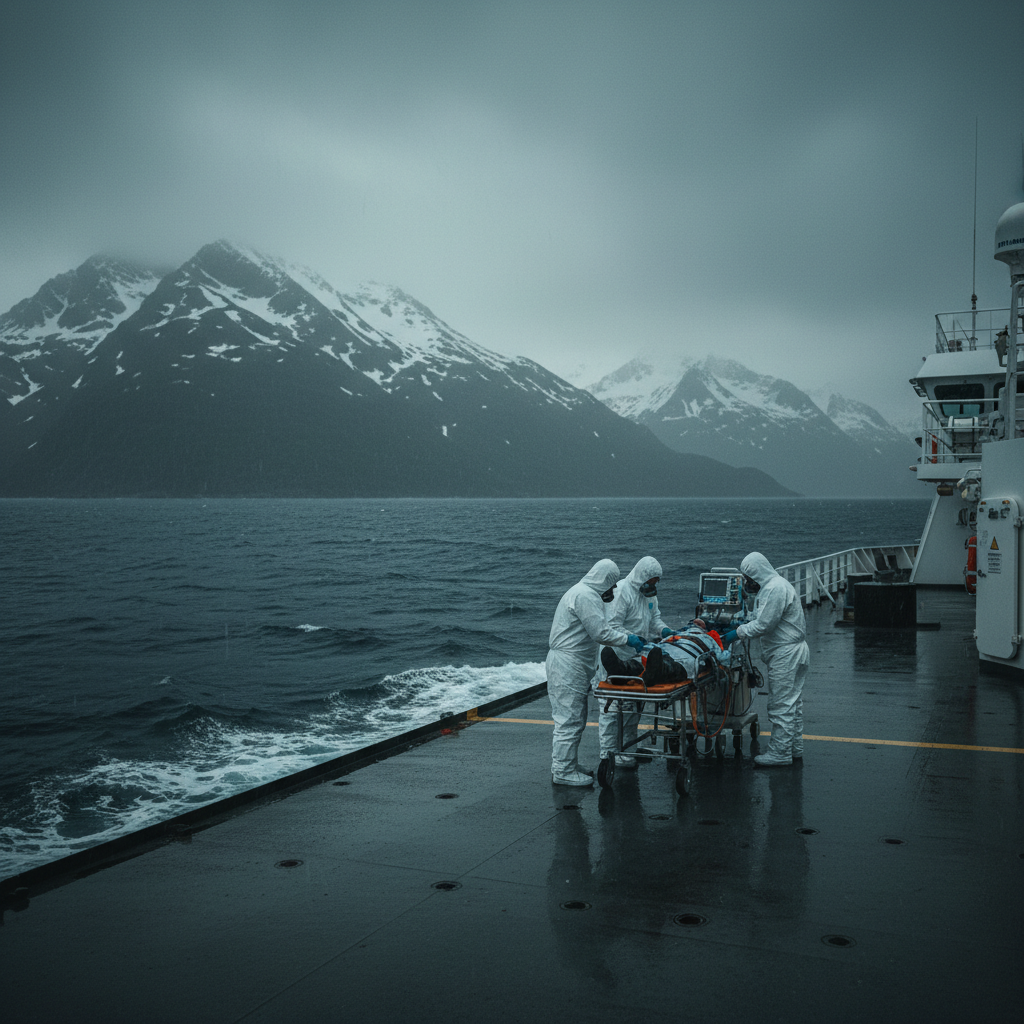
Supportive Care Remains Cornerstone of Hantavirus Treatment
As the MV Hondius Andes remains anchored off Praia, Cape Verde, medical efforts are laser-focused on providing optimal care for individuals exhibiting symptoms consistent with Hantavirus Cardiopulmonary Syndrome (HCPS). Public health authorities and clinicians involved in the response have consistently emphasized that intensive supportive care forms the bedrock of treatment for this severe viral disease, for which no specific antiviral therapy currently exists.
Understanding HCPS Pathogenesis and Clinical Management
HCPS, too known as Hantavirus Pulmonary Syndrome (HPS), is characterized by a rapid onset of respiratory distress, often following a prodromal phase of fever, muscle aches, and fatigue. The syndrome progresses quickly to severe non-cardiogenic pulmonary edema, hypoxemia, and acute respiratory distress syndrome (ARDS), frequently accompanied by myocardial dysfunction and circulatory collapse. Worth noting: the viral infection triggers an overwhelming immune response, leading to increased vascular permeability in the lungs and heart. Clinical protocols, as outlined by organizations such as the World Health Organization (WHO) and the U.S. Centers for Disease Control and Prevention (US CDC), primarily revolve around managing these pathophysiological consequences. Key components of supportive care include:
- Oxygen Therapy and Ventilatory Support: Patients often require high-flow oxygen, non-invasive ventilation (NIV), and frequently, mechanical ventilation to maintain adequate oxygenation and ventilation. Careful fluid management is crucial to avoid exacerbating pulmonary edema while maintaining hemodynamic stability. * Hemodynamic Monitoring and Support: Close monitoring of blood pressure, heart rate, and cardiac function is essential. Vasopressors and inotropes may be necessary to support circulation in cases of cardiogenic shock or profound hypotension. * Fluid Management: A delicate balance is required. While patients can develop profound shock, aggressive intravenous fluid administration can worsen pulmonary edema. So, conservative fluid strategies, guided by hemodynamic parameters, are generally recommended. * Electrolyte and Acid-Base Balance Correction: Maintaining physiological balance is critical, as disturbances can further complicate organ function.
The Role of Extracorporeal Membrane Oxygenation (ECMO)
In cases of severe respiratory and/or cardiac failure refractory to conventional mechanical ventilation and inotropic support, Extracorporeal Membrane Oxygenation (ECMO) has emerged as a potential life-saving intervention. ECMO provides temporary circulatory and/or respiratory support by oxygenating the blood outside the body. Its application in HCPS is typically considered for patients with profound hypoxemia despite maximal ventilatory support or with severe cardiogenic shock. Availability of ECMO, Yet, is a bigly logistical challenge. It requires highly specialized equipment, trained personnel, and sophisticated intensive care infrastructure. Reports from medical personnel involved in the MV Hondius Andes response indicate that the deployment and utilization of ECMO capabilities have been a critical, complex undertaking, involving coordinated efforts between the vessel's medical facilities and land-based hospitals in the region, as well as international medical relief organizations. The need for rapid transfer to facilities equipped for ECMO has been a recurring theme in discussions concerning advanced care for the most severely affected individuals.
Drivers of Mortality in HCPS
Mortality in HCPS is predominantly driven by profound hypoxemia, refractory cardiogenic shock, and multi-organ failure. Important context: the rapid progression of the disease means that early recognition and aggressive initiation of supportive care are paramount. Delays in diagnosis or access to intensive care facilities bigly worsen prognosis. The unique challenges presented by an outbreak on a cruise ship, such as the MV Hondius Andes, include the complexities of triage, isolation, resource allocation in a confined space. Timely evacuation of critically ill patients to higher-level care facilities. These factors can directly influence the speed and effectiveness of critical supportive care delivery, thereby impacting patient outcomes. Medical and public health authorities continue to monitor the situation closely, adapting clinical guidelines as new information becomes available and ensuring that best practices for HCPS management are rigorously applied to mitigate severe outcomes among those affected.



