Hantavirus Cruise: Clinical Strategies Evolve Amidst Onboard Outbreak
Medical teams on the MV Hondius Andes and onshore facilities refine treatment protocols for Hantavirus Cardiopulmonary Syndrome, emphasizing aggressive supportive care, fluid management, and ventilator support as critical to patient survival.
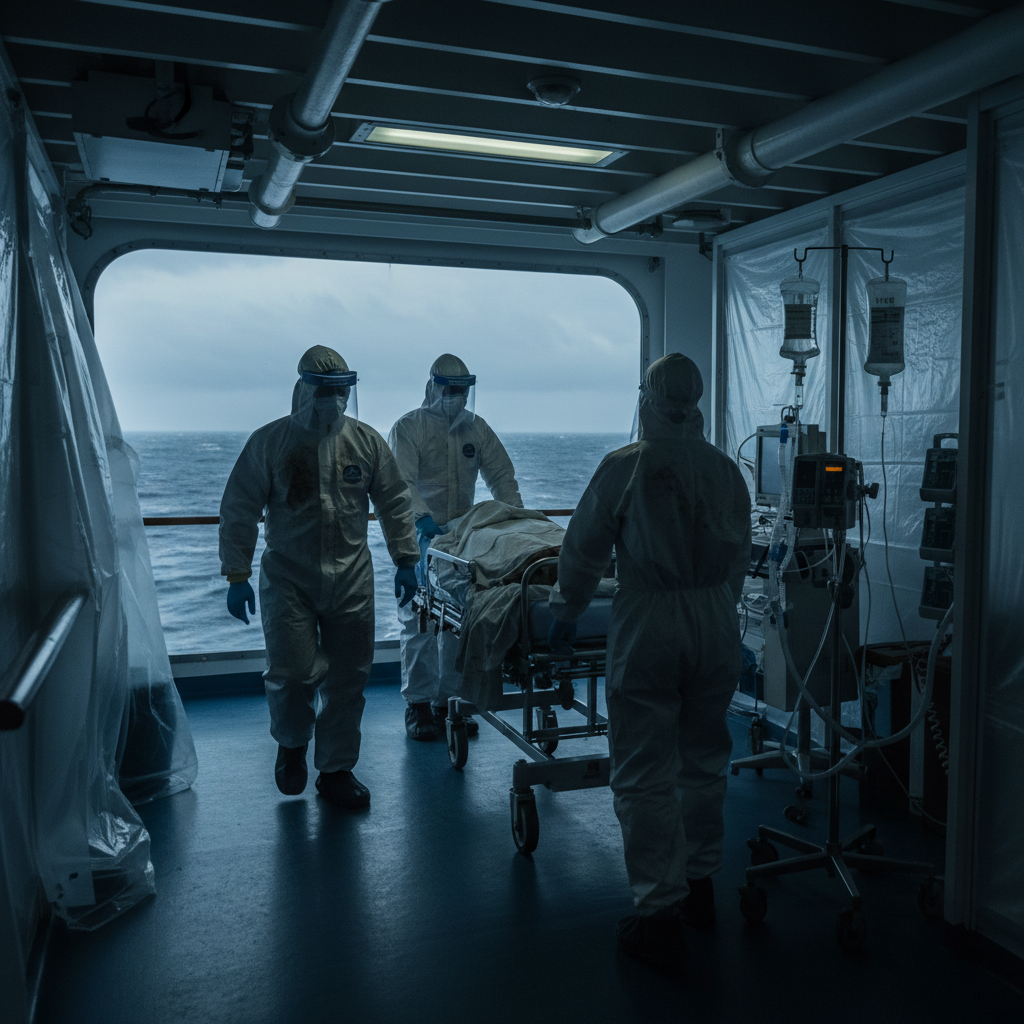
Understanding Hantavirus Cardiopulmonary Syndrome (HCPS) Treatment
As the MV Hondius Andes remains anchored off Praia, Cape Verde, the focus on clinical care for passengers and crew affected by Hantavirus Cardiopulmonary Syndrome (HCPS), as well known as Hantavirus Pulmonary Syndrome (HPS), has intensified. Medical teams, supported by international health organizations, are implementing comprehensive supportive care strategies, which remain the cornerstone of managing this severe disease. HCPS is characterized by rapid progression, often leading to severe respiratory distress and cardiovascular collapse. The incubation period can range from one to eight weeks, making early detection and intervention challenging. Initial symptoms typically resemble a common viral illness, including fever, muscle aches, and fatigue, before rapidly escalating to respiratory difficulties.
Supportive Care: The Primary Modality
There is no specific antiviral treatment for HCPS. So, medical management is entirely supportive, aimed at maintaining vital organ function and managing symptoms as the body fights the infection. Key components of this supportive care include:
- Oxygen Therapy and Mechanical Ventilation: Patients experiencing respiratory compromise often require supplemental oxygen. For those with severe pulmonary edema and hypoxemia, mechanical ventilation is critical. Aggressive respiratory support, including positive end-expiratory pressure (PEEP) and lung-protective ventilation strategies, is paramount to maintain adequate oxygenation and prevent further lung injury. * Fluid Management: This is a delicate balance. While patients often present with shock and hypotension, the characteristic vascular leak syndrome in HCPS can lead to rapid fluid accumulation in the lungs. Careful monitoring of hemodynamic status and judicious fluid administration are essential to prevent exacerbating pulmonary edema while maintaining systemic perfusion. Invasive hemodynamic monitoring, such as central venous pressure or pulmonary artery catheterization, may be employed in critical cases. * Vasoactive Support: In cases of cardiogenic shock or severe hypotension unresponsive to fluid resuscitation, vasoactive medications (e.g., inotropes or vasopressors) are used to support cardiac output and blood pressure. The specific choice and titration of these agents are guided by continuous hemodynamic assessment. * Renal Support: Acute kidney injury can occur, either due to hypoperfusion or as a direct consequence of systemic inflammation. Renal replacement therapy, such as hemodialysis or continuous veno-venous hemofiltration (CVVH), may be required for patients developing acute kidney failure.
The Role of ECMO in Severe Cases
Extracorporeal Membrane Oxygenation (ECMO) has emerged as a life-saving intervention for the most critically ill HCPS patients who fail conventional mechanical ventilation. ECMO provides temporary cardiac and/or respiratory support by oxygenating the patient's blood outside the body, allowing the lungs and heart to rest and recover. The availability of ECMO capabilities, both onboard the specialized medical vessels deployed to the region and in designated tertiary care centers onshore, is a bigly factor in managing severe cases from the MV Hondius Andes. Access to these highly specialized resources, Though, is limited and requires bigly logistical coordination.
Drivers of Mortality
Mortality in HCPS is primarily driven by progressive respiratory failure, cardiogenic shock, and multiorgan dysfunction. The rapid onset and severity of pulmonary edema, leading to severe hypoxemia, are major contributors to poor outcomes. Myocardial depression and increased vascular permeability further complicate the clinical picture, leading to circulatory collapse. Secondary infections, though less common as primary drivers, can as well worsen patient prognosis.Early recognition, rapid transfer to facilities equipped for intensive care. Aggressive application of supportive therapies have been shown to improve survival rates in previous outbreaks, according to data compiled by organizations like the US CDC and WHO. International medical teams continue to collaborate, sharing best practices and adapting protocols based on the evolving understanding of this specific outbreak. The experience gained from managing cases on the MV Hondius Andes is expected to contribute valuable insights to global HCPS clinical management guidelines.



