Hantavirus Cruise: Navigating HPS/HCPS Treatment Protocols Amidst Outbreak
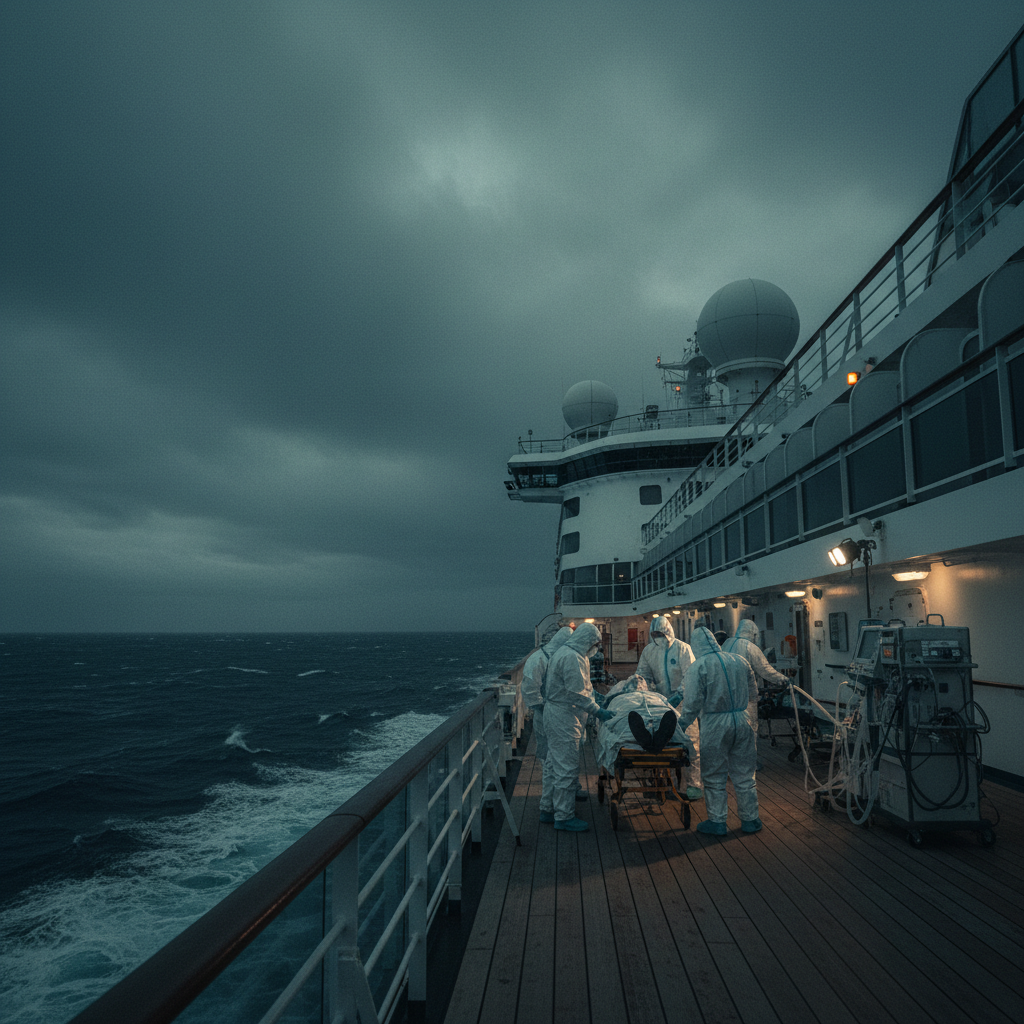
Medical teams aboard and supporting the MV Hondius Andes focus on intensive supportive care for Hantavirus Cardiopulmonary Syndrome, with ECMO identified as a critical but limited intervention to manage severe cases.
Supportive Care Remains Cornerstone of HPS/HCPS Treatment
Praia, Cape Verde – As the MV Hondius Andes hantavirus event continues to unfold off the coast of Praia, medical experts and public health authorities are reiterating that supportive care remains the primary and most effective treatment strategy for Hantavirus Pulmonary Syndrome (HPS), too known as Hantavirus Cardiopulmonary Syndrome (HCPS), the severe manifestation observed in the current outbreak. HPS/HCPS is characterized by rapidly progressive pulmonary edema and cardiovascular collapse, often leading to acute respiratory distress syndrome (ARDS) and cardiogenic shock. There are no specific antiviral treatments approved for hantavirus infections once symptoms manifest. As a result, clinical management focuses on aggressive supportive measures aimed at maintaining oxygenation, blood pressure, and organ perfusion while the patient's immune system combats the virus. Key components of supportive care include oxygen therapy, mechanical ventilation for respiratory failure, and vasopressors to manage hypotension. Early recognition of symptoms and prompt initiation of intensive care are critical factors in improving patient outcomes. According to guidance from organizations like the US Centers for Disease Control and Prevention (CDC) and the World Health Organization (WHO), careful fluid management is essential to avoid exacerbating pulmonary edema while maintaining adequate cardiac output.
ECMO: A Lifeline for Severe Cases, But Limited in Availability
For patients who develop severe, refractory hypoxemia or cardiogenic shock despite conventional mechanical ventilation and vasopressor support, Extracorporeal Membrane Oxygenation (ECMO) has emerged as a potentially life-saving intervention.ECMO provides temporary cardiac and/or respiratory support by circulating blood outside the body, removing carbon dioxide. Adding oxygen, thereby allowing the lungs and heart to rest and recover. Public health officials familiar with the MV Hondius Andes response have indicated that ECMO capabilities are being leveraged for the most critical patients from the vessel. Yet, ECMO is a highly specialized and resource-intensive treatment requiring advanced equipment, highly trained personnel, and specialized medical facilities.Its availability is inherently limited, particularly in regions with developing healthcare infrastructure. Even in well-resourced settings, the number of ECMO beds and trained staff can be a bottleneck during large-scale outbreaks. Sources close to the medical operations have highlighted the logistical complexities of deploying and managing ECMO for patients evacuated from the cruise ship. The need for continuous monitoring and specialized care means that patients requiring ECMO must be transferred to tertiary care facilities capable of providing this level of support, often requiring international medical evacuation.
Understanding Mortality Drivers in HPS/HCPS
The high mortality rate associated with HPS/HCPS, publicly reported to be bigly in various outbreaks globally, underscores the severity of the illness.The primary drivers of mortality are acute respiratory failure, leading to profound hypoxemia. Cardiovascular collapse due to direct viral effects on the heart muscle (myocarditis) and systemic inflammation. Delayed diagnosis and late presentation to medical care are consistently identified as major contributors to poor outcomes. The non-specific initial flu-like symptoms of hantavirus infection can lead to misdiagnosis or delayed seeking of medical attention, allowing the disease to progress rapidly to its severe pulmonary phase. Risk factors for severe disease and mortality also include host factors such as age and underlying comorbidities, though healthy individuals can also succumb to the infection. The speed of disease progression from initial symptoms to severe respiratory distress can be remarkably swift, sometimes occurring within hours, making rapid medical intervention crucial. Medical teams on the ground are working diligently to apply established protocols and adapt them to the unique challenges of a maritime outbreak.The focus remains on early detection, rapid triage. The immediate initiation of aggressive supportive care, with ECMO reserved for those who meet the most stringent criteria and for whom resources can be appropriately mobilized.
Sources
- World Health Organization (WHO): https://www.who.int
- US Centers for Disease Control and Prevention (CDC): https://www.cdc.gov
- European Centre for Disease Prevention and Control (ECDC): https://www.ecdc.europa.eu
- Reuters: https://www.reuters.com
- The Associated Press (AP): https://apnews.com
- British Broadcasting Corporation (BBC): https://www.bbc.com



