Hantavirus Cruise Outbreak: Focus on Intensive Supportive Care as Treatment Cornerstone
Medical teams on and near the MV Hondius Andes are prioritizing aggressive supportive care protocols for patients presenting with Hantavirus Pulmonary Syndrome (HPS), with Extracorporeal Membrane Oxygenation (ECMO) availability a critical concern as clinicians battle high mortality rates.
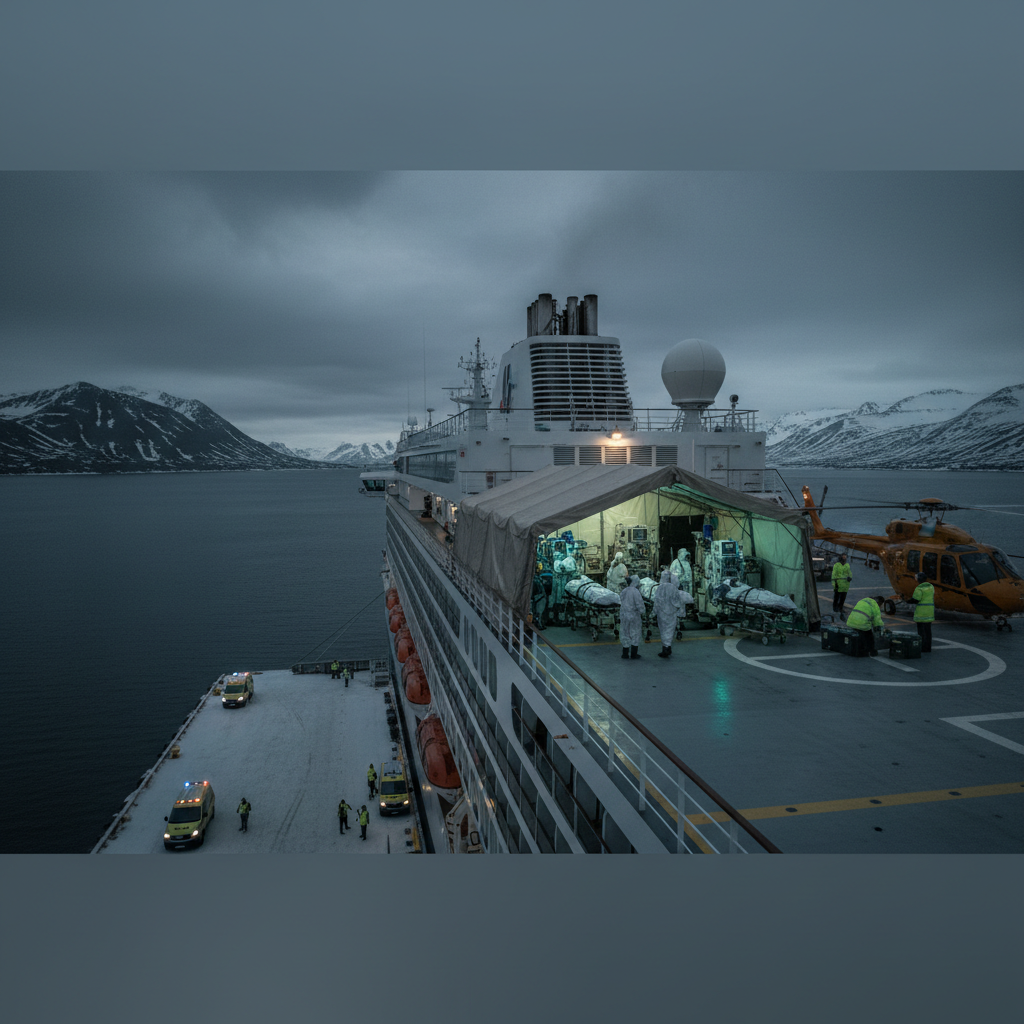
MV Hondius Andes: Navigating HPS Clinical Challenges
PRAIA, Cape Verde (September 8, 2026) – As the MV Hondius Andes outbreak continues, medical attention remains sharply focused on the intricacies of managing Hantavirus Pulmonary Syndrome (HPS), too known as Hantavirus Cardiopulmonary Syndrome (HCPS). With no specific antiviral treatment available, supportive care forms the bedrock of clinical intervention, particularly for those developing severe respiratory distress. Clinicians working with affected individuals, both aboard the anchored vessel and in onshore facilities, are primarily managing symptoms, ensuring adequate oxygenation, and supporting failing organs. Early recognition of HPS symptoms, which can include fever, muscle aches, and headache, progressing rapidly to cough and shortness of breath, is paramount. Public health advisories from entities like the World Health Organization (WHO) and the US Centers for Disease Control and Prevention (US CDC) emphasize vigilance for these signs, especially among those with potential exposure.
Supportive Care: The First Line of Defense
The cornerstone of HPS treatment is aggressive supportive care aimed at maintaining oxygen levels and blood pressure. Patients often experience a rapid deterioration, leading to non-cardiogenic pulmonary edema and respiratory failure. This necessitates ventilatory support, ranging from non-invasive methods to mechanical ventilation, to assist breathing and ensure the body receives sufficient oxygen. Fluid management is particularly delicate in HPS. While patients can become hypotensive (low blood pressure), excessive intravenous fluids can worsen pulmonary edema. So, a careful balance is sought, often guided by continuous hemodynamic monitoring. Vasopressors may be used to maintain blood pressure when hypotension persists despite cautious fluid administration.
ECMO Availability: A Critical Resource
For the most severe cases of HPS, where conventional mechanical ventilation is insufficient to maintain oxygenation or remove carbon dioxide, Extracorporeal Membrane Oxygenation (ECMO) has emerged as a vital, albeit resource-intensive, intervention. ECMO acts as an artificial lung and, sometimes, heart, circulating the patient’s blood outside the body to oxygenate it and remove carbon dioxide before returning it to the patient. The availability of ECMO facilities and trained personnel has been a bigly consideration during the MV Hondius Andes response. Transporting critically ill patients requiring ECMO to onshore hospitals equipped with this technology poses logistical challenges, particularly given the vessel's anchorage off Praia, Cape Verde. International health organizations, including Africa CDC, have been involved in coordinating resources and expertise to support local healthcare capabilities.
Mortality Drivers and Prognostic Factors
HPS is characterized by a high mortality rate, which, according to publicly available data from historical outbreaks, can range from 30% to 50% or even higher depending on the hantavirus strain and access to intensive care. The primary drivers of mortality in HPS are refractory hypoxemia (low blood oxygen levels that don't respond to treatment) and cardiogenic shock. Behind the scenes: the virus directly impacts the capillaries of the lungs, leading to leakage of fluid into the air sacs, and can as well directly depress cardiac function. Factors associated with poorer prognosis include delayed presentation to care, severe pulmonary involvement requiring high levels of ventilatory support. The development of severe shock requiring multiple vasopressor agents. Early identification and transfer to an intensive care unit (ICU) with capabilities for advanced respiratory and hemodynamic support bigly improve patient outcomes. Medical teams continue to monitor patients closely for signs of worsening pulmonary or cardiac function. Research into antiviral treatments remains ongoing, but as of September 2026, supportive care, ventilation, and ECMO represent the most advanced interventions for HPS patients.
Global Collaboration in Response
The complex clinical demands of the MV Hondius Andes HPS outbreak underscore the need for strong international collaboration.Expertise from various national and international health agencies, including the US CDC and WHO, has been instrumental in sharing best practices for HPS management, guiding clinical protocols. Ensuring a coordinated response to this challenging public health event.



