Hantavirus Cruise: Supportive Care Remains Cornerstone for MV Hondius Andes Patients
As medical teams ashore prepare for potential patient transfers from the MV Hondius Andes, treatment protocols for Hantavirus Pulmonary Syndrome (HPS) and Hantavirus Cardiopulmonary Syndrome (HCPS) focus overwhelmingly on specialized supportive care, with advanced interventions like ECMO playing a critical, albeit limited, role in severe cases.
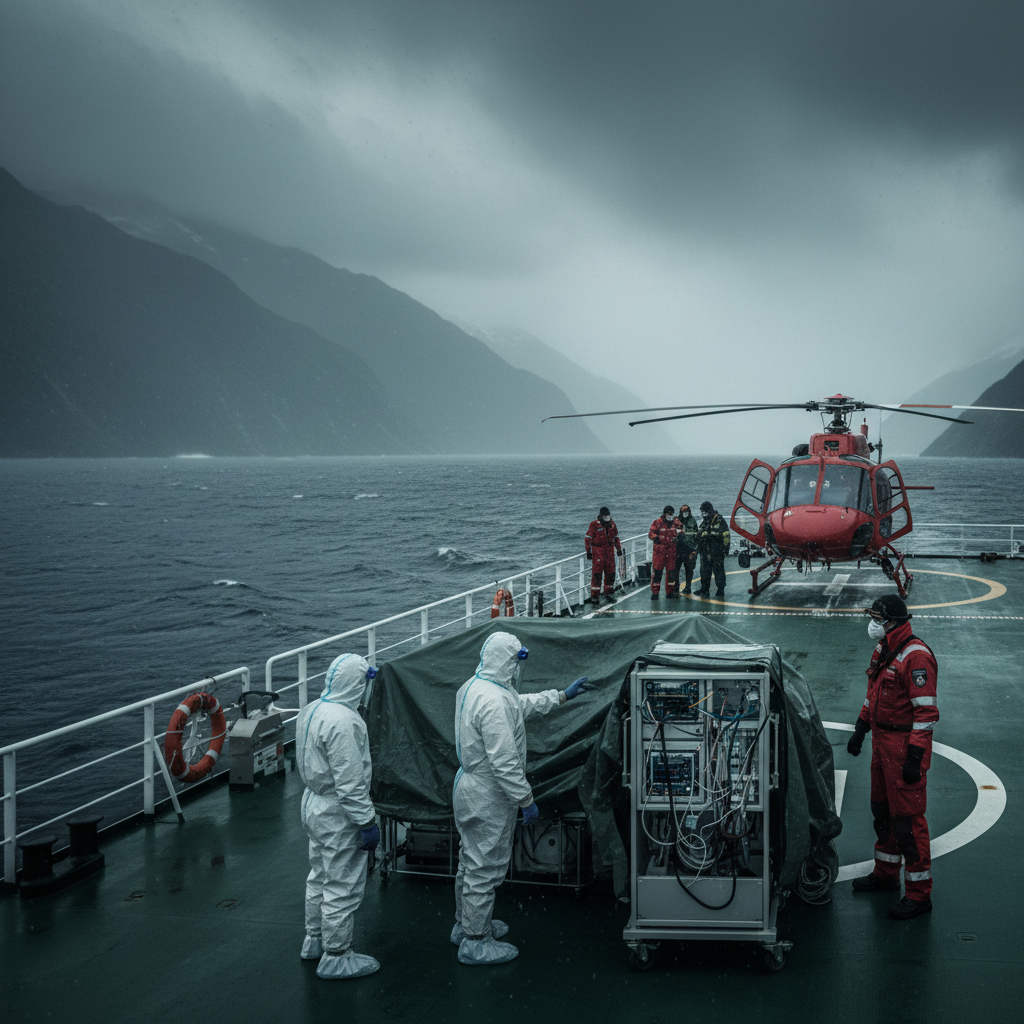
Clinical Management Strategies on Display
PRAIA, CAPE VERDE – With the MV Hondius Andes anchored off Praia and an influx of medical personnel on board, the challenges of managing Hantavirus Pulmonary Syndrome (HPS) and Hantavirus Cardiopulmonary Syndrome (HCPS) are coming into sharp focus. Experts emphasize that the cornerstone of treating these severe hantavirus infections remains careful supportive care, aiming to manage symptoms and support vital organ function as the body battles the virus. Unlike many viral infections, there is no specific antiviral drug approved to treat established HPS/HCPS. Instead, clinical protocols, as outlined by organizations like the World Health Organization (WHO) and the US Centers for Disease Control and Prevention (CDC), prioritize early diagnosis and aggressive supportive measures.
The Role of Early Intervention
Early recognition of symptoms is paramount. Initial signs of HPS/HCPS often mimic common flu-like illnesses, including fever, muscle aches, and fatigue. But, as the disease progresses, respiratory distress rapidly develops, characterized by shortness of breath and fluid accumulation in the lungs. According to infectious disease specialists, prompt clinical suspicion and diagnostic testing can bigly influence patient outcomes. Patients experiencing respiratory distress typically require supplemental oxygen, and many advance to mechanical ventilation. The goal is to maintain adequate oxygenation and ventilation while the patient's immune system responds to the infection. Fluid management is particularly delicate, as both dehydration and over-hydration can exacerbate lung compromise and cardiovascular instability.
Advanced Life Support: The ECMO Option
For the most critically ill patients, where conventional mechanical ventilation is insufficient to maintain oxygen levels or remove carbon dioxide, Extracorporeal Membrane Oxygenation (ECMO) may be considered.ECMO is a highly specialized life support system that functions as an artificial lung and, in some cases, an artificial heart, by circulating the patient's blood outside the body, removing carbon dioxide. Adding oxygen. While ECMO can be life-saving for patients with severe acute respiratory distress syndrome (ARDS) due to HPS/HCPS, its availability is limited, requiring highly trained medical teams and specialized equipment. Discussions among an international consortium of medical agencies are reportedly underway to assess the feasibility and logistics of deploying such advanced capabilities should a bigly number of patients require it, either on the vessel or in onshore medical facilities, as of June 2, 2026, per officials coordinating the response.
Drivers of Mortality and Prognosis
The primary drivers of mortality in HPS/HCPS are hypoxic respiratory failure and cardiogenic shock. The virus causes increased vascular permeability, leading to fluid leakage into the lungs and other tissues, and direct myocardial depression. This combination can lead to severe pulmonary edema and hypotension, often resistant to conventional therapies. Mortality rates for HPS/HCPS can be substantial, historically ranging from 30% to 50% in reported outbreaks. These figures can vary depending on the specific hantavirus strain, patient demographics, and the availability of advanced medical care. Patients who survive often face a protracted recovery period, though generally experience full recovery of lung function without long-term sequelae, according to WHO guidelines. Medical teams on the MV Hondius Andes and those preparing for transfers ashore are bracing for scenarios requiring prolonged intensive care.The focus remains on aggressive monitoring, optimized ventilation strategies, judicious fluid management. Early recognition of declining cardiac function to offer the best possible prognosis for those affected by this challenging disease.