Hantavirus Diagnostics Challenge West African Lab Capacity Amidst Hondius Andes Outbreak
The MV Hondius Andes hantavirus outbreak highlights critical diagnostic complexities, including the interplay of RT-PCR and serology timelines, cross-reactivity concerns, and the strained laboratory infrastructure in West Africa.
Diagnostic Dilemmas on the Hondius Andes
The ongoing hantavirus outbreak originating from the MV Hondius Andes, anchored off Praia, Cape Verde, has brought into sharp focus the intricate challenges of diagnosing hantavirus infections, particularly within the context of West African laboratory capabilities. As international health organizations and national agencies collaborate to manage the crisis, the choice and interpretation of diagnostic tests—namely Reverse Transcription Polymerase Chain Reaction (RT-PCR) and serology—are proving crucial, yet complex.
RT-PCR vs. Serology: Timing is Critical
Diagnostic strategies for hantavirus infection typically involve a combination of molecular and immunological methods. RT-PCR assays are designed to detect the viral genetic material itself, offering direct evidence of an active infection. These tests are most effective in the early stages of the disease, usually within the first few days to a week after symptom onset, when viral load is highest in blood samples. Public health officials have indicated that early RT-PCR testing has been instrumental in identifying initial cases associated with the Hondius Andes, facilitating isolation measures and contact tracing efforts in line with guidance from organizations like the World Health Organization (WHO). But, the utility of RT-PCR diminishes as the disease progresses and the viral load decreases. This is where serological tests become paramount. Serology detects the presence of antibodies (IgM and IgG) produced by the host's immune system in response to the virus. IgM antibodies typically appear within days of symptom onset and persist for several weeks, indicating a recent or acute infection. IgG antibodies follow, appearing later and often persisting for years, signifying past exposure or immunity. For the Hondius Andes outbreak, serological testing has been critical for confirming diagnoses in individuals presenting later in their illness and for epidemiological investigations aimed at understanding the full scope of exposure among passengers and crew. The challenge lies in the diagnostic window: a person tested too early with serology might yield a false negative. A person tested too late with RT-PCR might too be missed. This necessitates a layered testing approach and careful interpretation of results based on the patient's clinical presentation and the timeline of their symptoms.
The Problem of Cross-Reactivity
Further complicating diagnostics is the issue of serological cross-reactivity. Hantaviruses belong to the Hantaviridae family, and different species of hantaviruses can circulate in various geographic regions. Antibodies produced in response to one hantavirus species can sometimes react with antigens from other, related hantavirus species in serological assays. This cross-reactivity can lead to false positive results or make it difficult to identify the specific hantavirus strain responsible for an infection, which has implications for public health messaging and potential vaccine development efforts. While the specific hantavirus strain linked to the Hondius Andes outbreak has been identified through genetic sequencing of RT-PCR positive samples, the broad serological screening required for a large-scale outbreak response still grapples with these potential ambiguities, particularly in regions where other hantavirus serotypes might endemic, albeit less commonly studied.
Strained Laboratory Capacity in West Africa
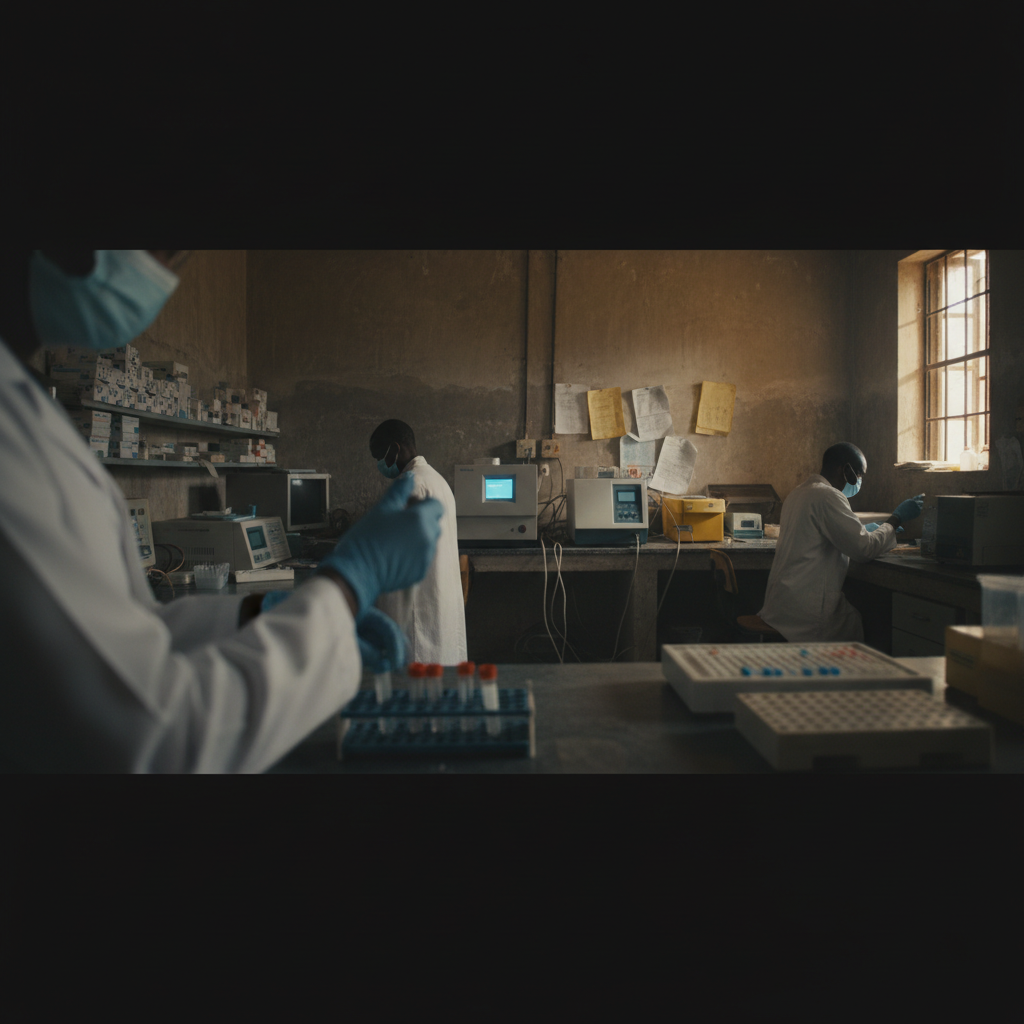
The ability to conduct these sophisticated diagnostic tests relies heavily on strong laboratory infrastructure and skilled personnel.The MV Hondius Andes outbreak has placed considerable strain on existing laboratory capacities in West Africa, particularly in nations like Cape Verde, which. Possessing foundational diagnostic capabilities, may not be equipped for high-throughput hantavirus-specific molecular and serological testing on a sustained basis. International organizations, including the Africa Centres for Disease Control and Prevention (Africa CDC) and the US Centers for Disease Control and Prevention (US CDC), have reportedly been providing technical assistance, reagents. Equipment to bolster local testing capabilities.This support is crucial for scaling up diagnostic efforts, ensuring timely results. Allowing for the differentiation between hantavirus and other febrile illnesses common in the region, which can present with similar non-specific symptoms.Challenges include cold chain maintenance for reagents, access to specialized equipment like biosafety level 2 or 3 laboratories. The training of additional laboratory technicians to handle the increased workload. By contrast, the long-term implications of this outbreak underscore the need for sustained investment in public health laboratory infrastructure across West Africa, not only for emergent threats like hantavirus but also for endemic diseases. Strengthening these capacities is vital for prompt detection, effective response, and ultimately, better health outcomes for populations susceptible to infectious disease outbreaks.