Hantavirus Onboard MV Hondius Andes: Focus Shifts to Rodent Reservoirs and Vector Ecology
As investigations continue into the hantavirus outbreak on the MV Hondius Andes, experts are scrutinizing potential rodent reservoirs and the intricate vector ecology that may have facilitated the virus's transfer to the vessel.
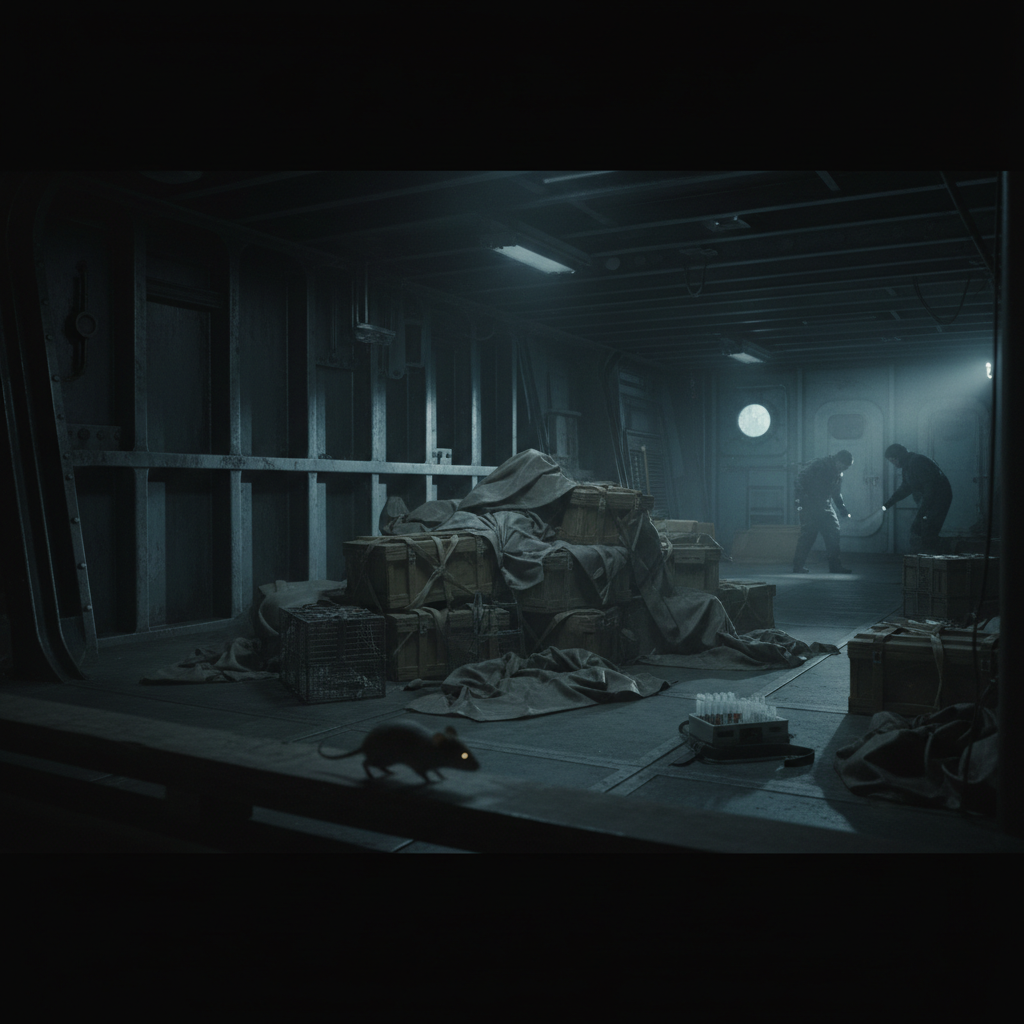
Understanding Hantavirus Transmission on the High Seas
The ongoing hantavirus incident aboard the MV Hondius Andes, currently anchored off Praia, Cape Verde, has directed bigly attention to the zoonotic nature of the virus, particularly the role of rodent reservoirs. Hantaviruses are primarily transmitted to humans through contact with infected rodent excreta, including urine, feces, and saliva, often aerosolized. While human-to-human transmission is rare, the confinement of a cruise ship environment raises distinct concerns around the mechanisms of introduction and potential spread.
The Role of Rodents in Hantavirus Ecology
Hantaviruses are maintained in nature by specific rodent species, often without causing apparent illness in their natural hosts.Different hantavirus strains are associated with different rodent hosts, such as deer mice (Peromyscus maniculatus) for Sin Nombre virus in North America. Various species of field mice and voles for European and Asian hantaviruses. The MV Hondius Andes' itinerary, which included South American and African ports, suggests many potential hantavirus strains and associated rodent vectors could be considered in the ongoing investigation. Experts from the World Health Organization (WHO) and the US Centers for Disease Control and Prevention (US CDC) emphasize that understanding the specific rodent species involved is crucial for targeted prevention and control efforts. Factors such as rodent population density, environmental conditions, and human activity can influence the risk of spillover events.
Potential Pathways for Vessel Contamination
Investigators are working to identify how infected rodents, or their contaminated droppings, might have boarded the MV Hondius Andes. Several scenarios are being considered:
- Cargo and Supplies: Rodents can stow away in cargo containers, food supplies, or other provisions loaded at various ports. Even if the rodents themselves are not the direct source of human exposure, their droppings shed during transit could become aerosolized. 2. Gangway and Mooring Lines: During port calls, rodents could potentially use mooring lines or gangways as pathways onto the ship, especially if the vessel is docked in areas with high rodent activity. 3.Shore Excursions and Passenger Belongings: While less likely for direct rodent transfer, contaminated items brought aboard by passengers or crew after shore excursions could, in theory, introduce residues. This pathway is considered secondary to direct rodent presence. 4. Ship's Internal Environment: Once aboard, rodents can establish populations in secluded areas such as storage rooms, cargo holds, engine rooms, or ventilation systems, creating potential exposure points for crew and passengers.
Vector Control and Biosecurity Measures
The incident underscores the critical importance of strong vector control and biosecurity measures for international maritime vessels.The International Maritime Organization (IMO) has guidelines concerning pest control. Specific biological hazard protocols related to zoonotic diseases like hantavirus are often augmented by national health authorities and ship operators. Effective rodent control onboard ships typically involves:
- Physical Exclusion: Sealing entry points and maintaining tight seals on doors and portholes. * Sanitation: Proper waste management and food storage to eliminate food sources for rodents. * Trapping and Baiting: Strategic placement of traps and baits in high-risk areas. * Regular Inspections: Routine audits for signs of rodent activity. Authorities are likely reviewing the MV Hondius Andes' pest control logs and port manifests to identify any potential breaches or high-risk port calls. The long incubation period of hantavirus, which can range from a few days to several weeks, complicates tracing the exact point of exposure. As of June 1, 2026, the vessel remains under quarantine off Praia, Cape Verde, while health agencies coordinate further epidemiological investigation and response efforts. The focus on understanding the rodent-human interface is paramount for both containing the current outbreak and preventing future occurrences on cruise ships.



