Hantavirus Outbreak: Clinical Care Focuses on Supportive Measures Amidst HPS Challenges
Medical teams aboard the MV Hondius Andes and supporting facilities in Praia are prioritizing intensive supportive care for Hantavirus Pulmonary Syndrome (HPS) patients. Understanding mortality drivers and ensuring access to advanced interventions like ECMO remains critical.
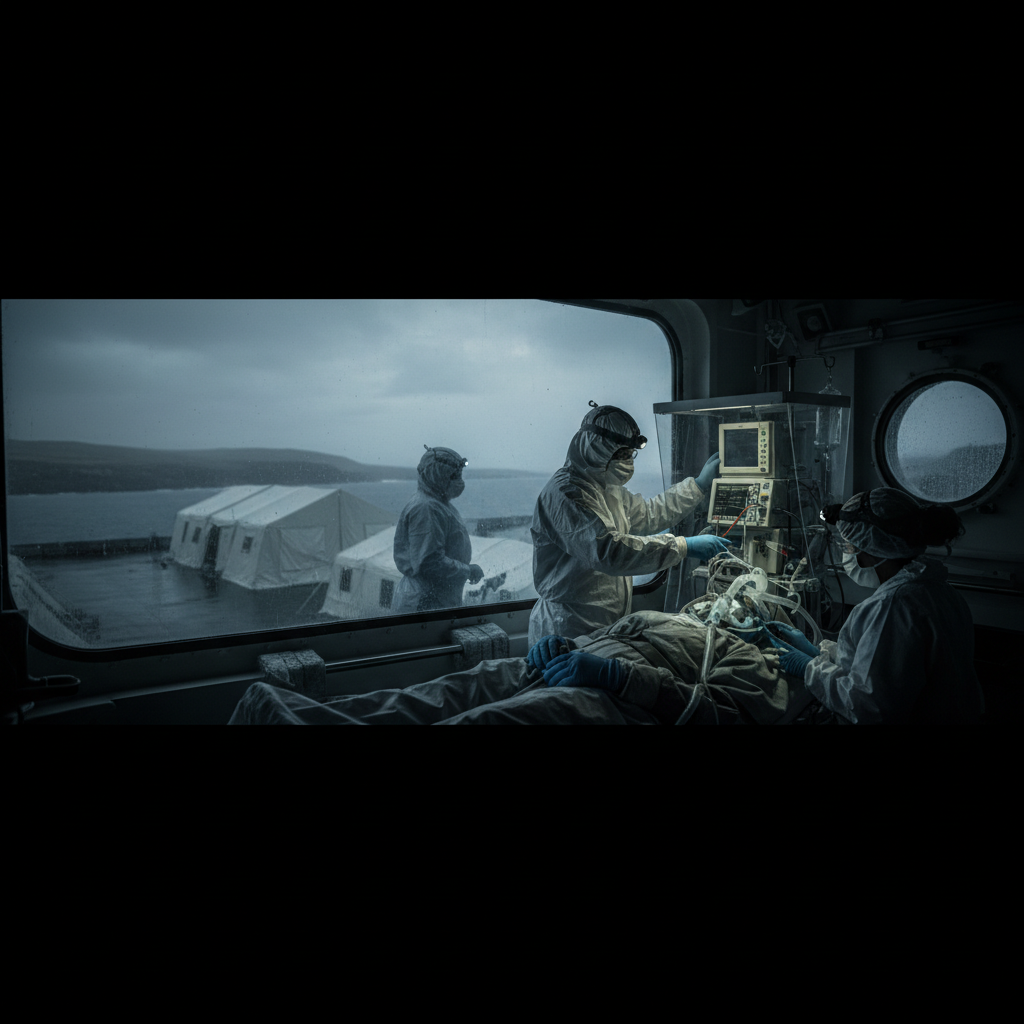
Supportive Care Remains Cornerstone of HPS Treatment
PRAIA, Cape Verde – As the MV Hondius Andes remains anchored off the coast of Praia, medical efforts continue to center on providing critical supportive care for individuals diagnosed with Hantavirus Pulmonary Syndrome (HPS), a severe and often fatal respiratory illness caused by hantaviruses. There are no specific antiviral treatments for hantavirus infections, making timely and comprehensive supportive measures paramount in managing patient outcomes. Clinicians are focusing on managing the primary manifestations of HPS, which include rapid onset of pulmonary edema and severe respiratory distress, often accompanied by myocardial dysfunction. The standard of care emphasizes aggressive management of respiratory failure, fluid balance, and hemodynamic stability.This typically involves mechanical ventilation to assist breathing and maintain adequate oxygenation, careful fluid resuscitation to avoid exacerbating pulmonary edema. On the ground, the use of vasopressors to support blood pressure if shock develops. Sources from various health organizations, including the World Health Organization (WHO) and the U.S. Centers for Disease Control and Prevention (CDC), consistently highlight the importance of early recognition and prompt initiation of supportive therapies. Publicly reported figures from previous outbreaks underscore that mortality rates for HPS can be substantial, often ranging between 35% and 50%, primarily due to respiratory and circulatory collapse.
ECMO Availability and Deployment
The most severe cases of HPS, characterized by refractory hypoxemia and cardiogenic shock unresponsive to conventional mechanical ventilation and vasopressor support, may require extracorporeal membrane oxygenation (ECMO). ECMO provides temporary cardiac and respiratory support by oxygenating the patient's blood outside the body, allowing the lungs and heart to rest and recover. Deployment of ECMO capabilities for the MV Hondius Andes outbreak has been a bigly logistical undertaking. Several specialized medical teams, including those from international aid organizations and national health agencies, have been mobilized to Praia to establish and manage ECMO circuits.As of early October 2026, details on the precise number of ECMO machines available on the vessel or in supporting land-based facilities. The number of patients currently receiving ECMO, have not been released. But, officials have indicated that bigly resources have been allocated to ensure advanced critical care options are accessible as needed. The use of ECMO in HPS is challenging, requiring highly trained personnel, specialized equipment, and continuous monitoring. Its effectiveness depends heavily on early initiation before irreversible organ damage occurs. Its availability, though crucial, is limited and typically reserved for patients who meet stringent criteria for severe, life-threatening respiratory and cardiac compromise.
Understanding Drivers of Mortality in HPS
Mortality in HPS is primarily driven by the rapid progression to severe pulmonary edema, acute respiratory distress syndrome (ARDS), and cardiogenic shock. The immune response to the hantavirus infection leads to increased vascular permeability in the lungs, causing fluid to leak into the alveolar spaces, impairing gas exchange. This 'capillary leak syndrome' can also affect other organs, though its primary and most devastating impact is on the cardiopulmonary system. Cardiac involvement, characterized by direct myocardial depression and dilation, as well plays a critical role in patient deterioration. This dual pulmonary and cardiac pathology makes HPS particularly challenging to manage, as clinicians must navigate intricate fluid management strategies to support both systems without overloading either. Factors contributing to poor outcomes include delayed diagnosis, late presentation to medical care, and the rapid progression of symptoms. Younger, healthier individuals are sometimes observed to develop more severe forms of HPS, possibly due to a more strong, yet ultimately dysregulated, immune response. The intensity of supportive care, including advanced respiratory support and judicious hemodynamic management, is directly correlated with patient survival rates. As the situation evolves, medical professionals continue to refine protocols based on patient responses and available resources, striving to mitigate the severe impact of HPS on those affected by the MV Hondius Andes outbreak.
Sources
- World Health Organization (WHO) - Hantavirus
- U.S. Centers for Disease Control and Prevention (CDC) - Hantavirus
- European Centre for Disease Prevention and Control (ECDC)
- Reuters - Health News
- Associated Press (AP) - Health
- Africa Centres for Disease Control and Prevention (Africa CDC)
- International Maritime Organization (IMO)



