Hantavirus Outbreak Response Faces Diagnostic Hurdles in West Africa
Testing strategies for the MV Hondius Andes hantavirus event highlight challenges in differentiating acute infection, assessing past exposure, and scaling regional laboratory capabilities.
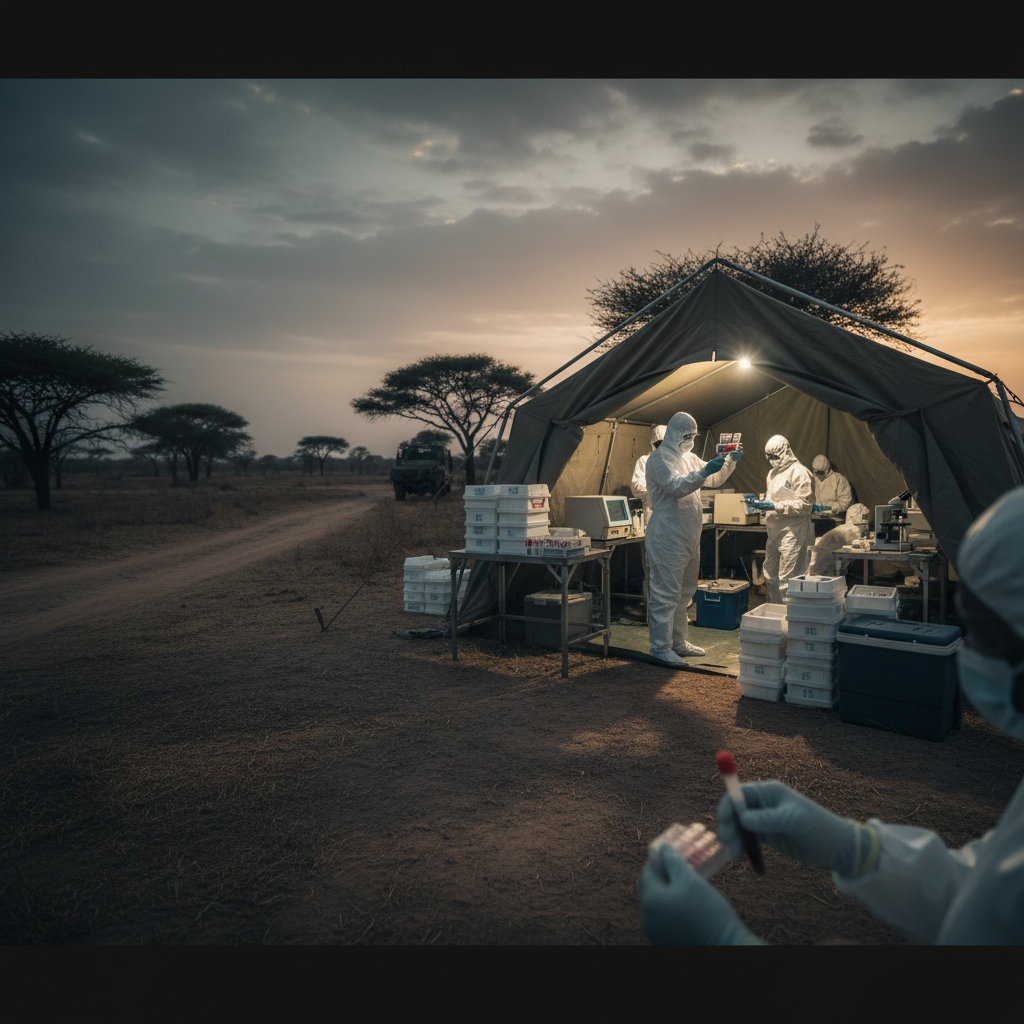
Diagnostic Testing: Navigating Complexity in Outbreak Response
The ongoing hantavirus outbreak linked to the MV Hondius Andes, anchored off Praia, Cape Verde, continues to present bigly diagnostic challenges, particularly concerning the appropriate application and interpretation of molecular and serological tests. Experts from the World Health Organization (WHO) and Africa Centres for Disease Control and Prevention (Africa CDC) have emphasized the critical need for a nuanced understanding of these methodologies to effectively manage the crisis.
RT-PCR vs. Serology: Timing and Interpretation
Diagnostic testing for hantavirus typically involves two primary approaches: real-time reverse transcription polymerase chain reaction (RT-PCR) and serology. RT-PCR directly detects viral genetic material, indicating an active or recent infection. Serology, on the other hand, identifies antibodies (IgM and IgG) produced by the host immune system in response to the virus, indicating either an acute infection (IgM) or past exposure/convalescence (IgG). RT-PCR is most effective in the early stages of infection, typically within the first few days of symptom onset, when viral load is highest in blood or tissue samples. Its utility wanes as the immune response mounts and viral replication decreases. Conversely, IgM antibodies usually become detectable around the time of symptom onset or shortly thereafter, peaking in the acute phase and persisting for weeks to months. IgG antibodies appear later, often one to three weeks post-symptom onset, and can remain detectable for years, providing evidence of long-term immunity or previous exposure. This distinction is crucial for patient management and epidemiological surveillance. A positive RT-PCR confirms acute infection, allowing for immediate isolation and treatment protocols. Worth noting: a positive IgM without a positive RT-PCR might suggest an acute or recent infection where the viral load has dropped below detection limits for PCR. Positive IgG in the absence of IgM or RT-PCR indicates a past infection, which is valuable for understanding community prevalence and immunity though doesn't signify active disease transmission from that individual.
Cross-Reactivity Concerns
One bigly challenge in hantavirus diagnostics, particularly in regions where multiple hantavirus species might circulate or where other febrile illnesses are endemic, is the potential for cross-reactivity in serological assays. This phenomenon occurs when antibodies produced against one hantavirus species react with antigens from another, or even from unrelated viruses. This can lead to false-positive results, complicating surveillance efforts and potentially misdirecting public health resources. While the specific hantavirus associated with the MV Hondius Andes outbreak has been identified, per early reports from the WHO, the broader West African context presents a complex serological landscape. Differentiating between the outbreak strain and other circulating hantaviruses, or even other viral pathogens presenting with similar symptoms (such as Lassa fever or dengue), requires highly specific assays and often necessitates confirmatory testing, including neutralization assays or gene sequencing. Health authorities, including Africa CDC, have stressed the importance of using validated, highly specific diagnostic kits, especially for serological screening in an endemic or outbreak setting.The development and deployment of rapid diagnostic tests (RDTs) for hantavirus. Promising for field use, must also rigorously address sensitivity and specificity concerns, particularly regarding potential cross-reactivity.
Laboratory Capacity and Resource Allocation
The diagnostic demands of the MV Hondius Andes hantavirus outbreak have placed considerable strain on existing laboratory infrastructure, particularly in West African nations.Limited biosafety level (BSL) 3 laboratory facilities, insufficient supplies of specialized reagents. A shortage of highly trained personnel proficient in molecular diagnostics and serological interpretation are persistent challenges. Cape Verde, as the immediate response hub, has received support from international partners to enhance its diagnostic capabilities. But, broader regional preparedness for emerging zoonotic threats necessitates sustainable investment. Africa CDC has been instrumental in coordinating regional laboratory networks, facilitating sample transport, and providing training initiatives. Yet, the scale of an international outbreak involving a relatively less common pathogen in this specific geographic context highlights gaps in routine surveillance and rapid response capabilities. Officials from the US CDC have also contributed technical expertise, emphasizing the importance of strong quality assurance programs for all testing performed during the outbreak. Ensuring test accuracy across diverse laboratory settings is paramount to inform effective public health interventions, such as contact tracing, isolation, and resource allocation. Moving forward, the lessons learned from the diagnostic challenges of the MV Hondius Andes incident will be critical for strengthening future outbreak responses.This includes continued investment in regional laboratory networks, fostering local expertise in advanced molecular and serological techniques. Developing algorithms for interpreting complex diagnostic results in the context of specific epidemiological situations.



