Hondius Andes Crew Welfare Under Scrutiny Amid Extended Hantavirus Response
Concerns mount over the well-being of crew members aboard the MV Hondius Andes as the hantavirus response extends into its fifth month, with spotlight on rotations, PPE provision, and union advocacy.
Crew Welfare Challenges Intensify on MV Hondius Andes
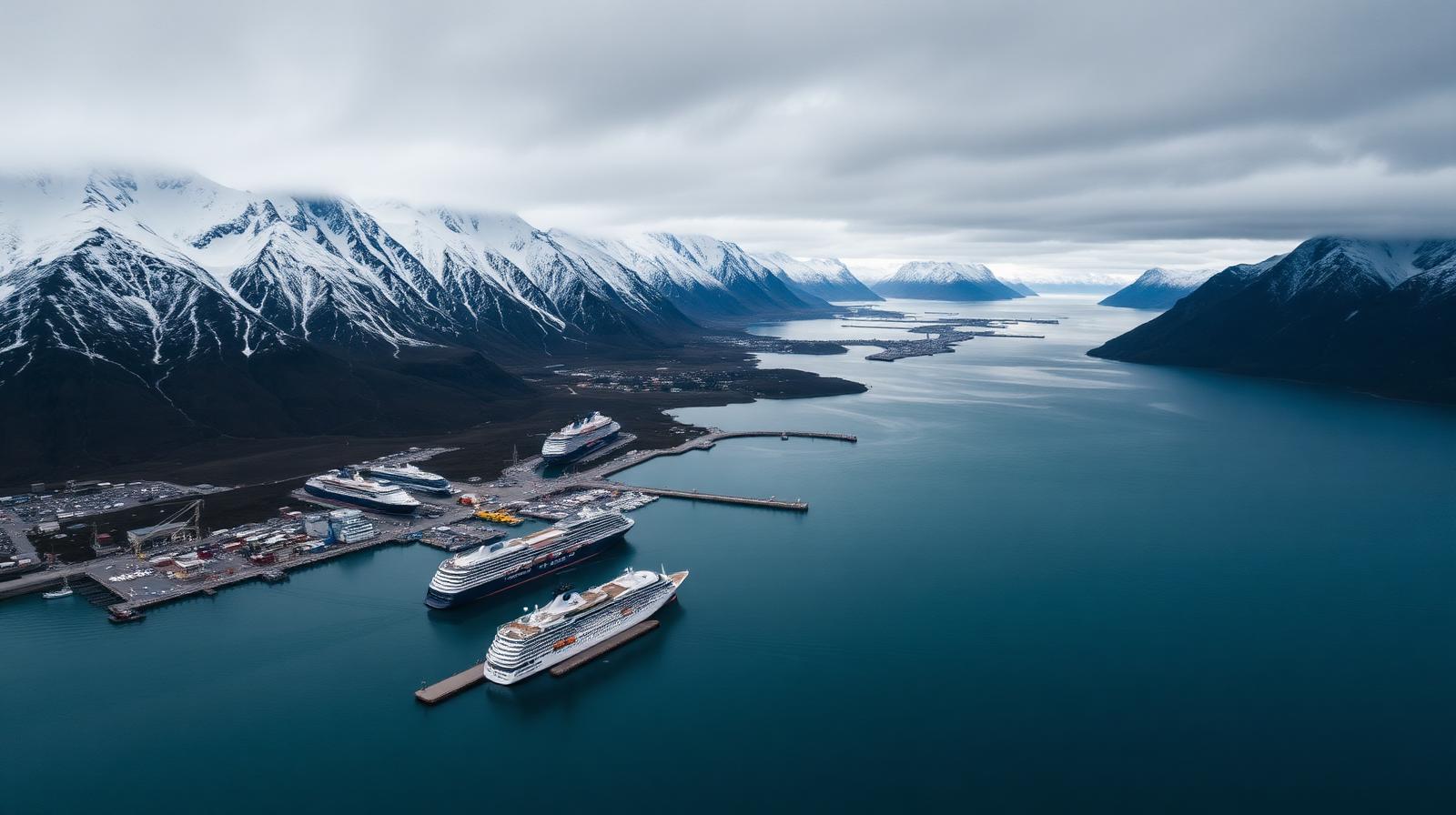
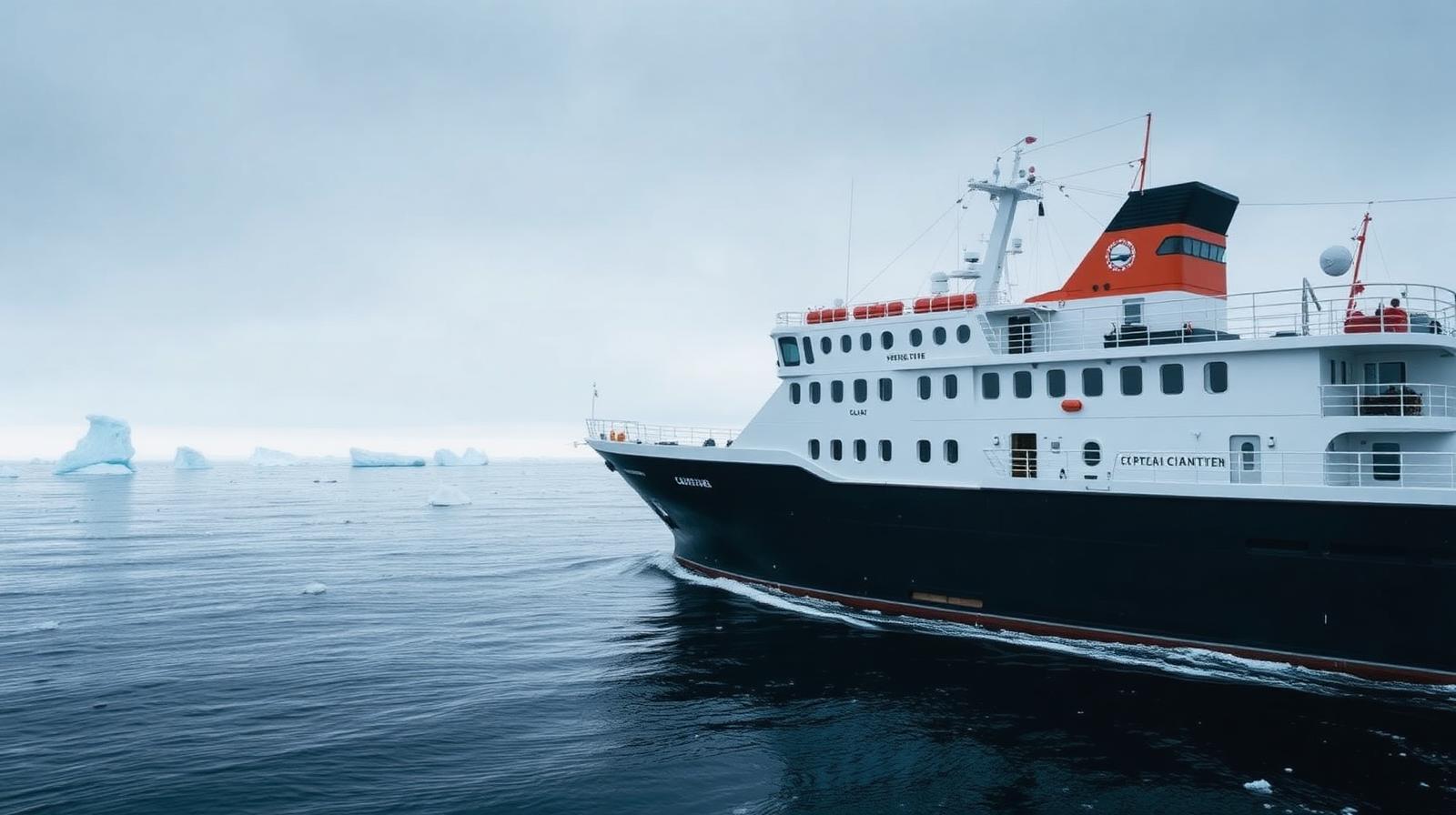
Praia, Cape Verde – September 3, 2026 – As the MV Hondius Andes remains anchored off Praia, Cape Verde, for over four months following a hantavirus outbreak, attention is increasingly turning to the welfare of its crew.Maritime labor organizations and public health bodies are evaluating the conditions and support systems for the seafarers onboard, focusing on crew rotations, access to personal protective equipment (PPE). The broader implications for mental and physical health.
Extended Stays and Rotation Concerns
A number of crew members have been onboard the MV Hondius Andes since before the outbreak's initial identification in May 2026, bigly exceeding typical contract durations for some positions. The prolonged quarantine and operational restrictions have complicated regular crew change procedures, leading to extended periods at sea for personnel. International maritime guidelines typically recommend regular crew changes to mitigate fatigue and ensure mental well-being, a challenge exacerbated by the ongoing public health crisis. Maritime unions have voiced concerns on the potential for fatigue and psychological strain among seafarers. Industry observers note that while emergency situations can necessitate extended stays, continuous monitoring and provisions for mental health support become paramount.Discussions are understood to be ongoing between relevant authorities, the ship's operator. International maritime organizations on the feasibility and safety protocols for staggered crew repatriation and replacement, though no definitive plan has been publicly confirmed as of September 3, 2026.
PPE and Safety Protocols
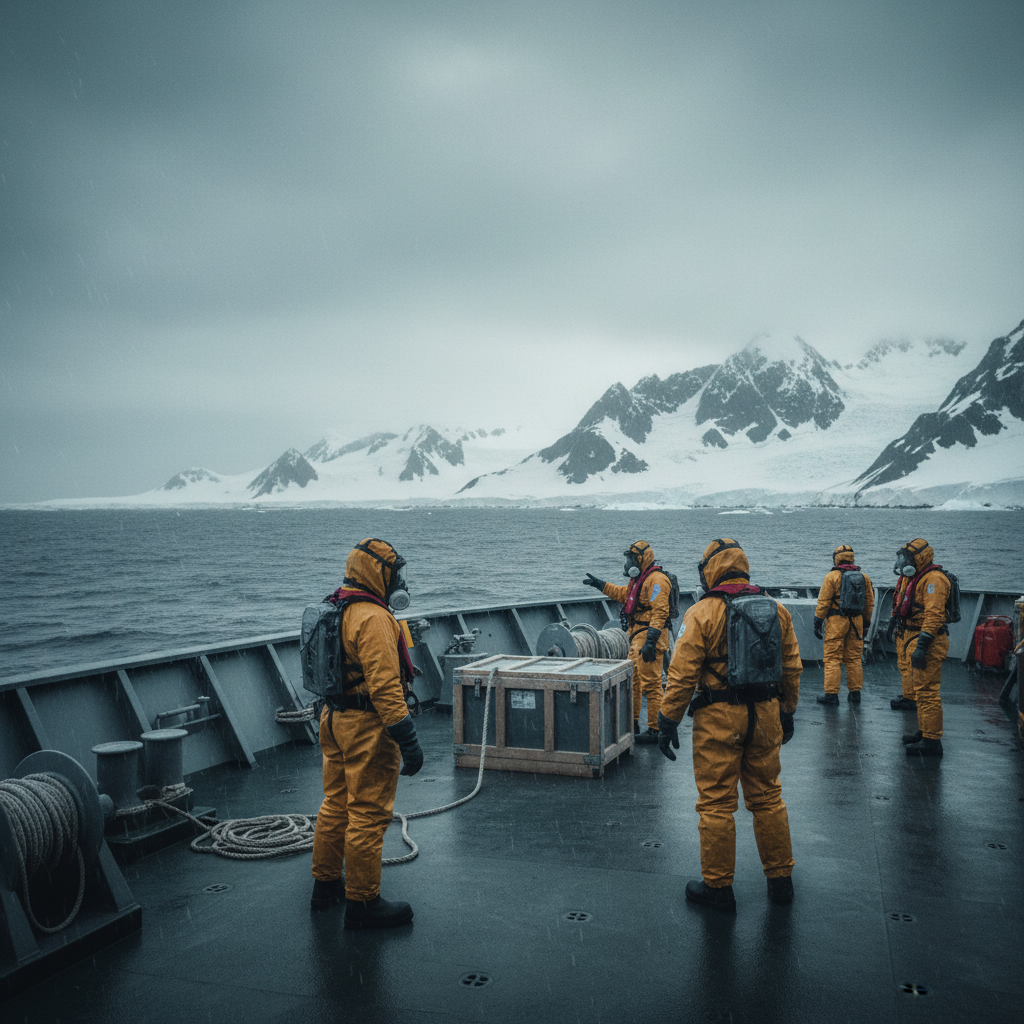
Access to and consistent use of appropriate Personal Protective Equipment (PPE) remains a critical aspect of crew safety. Early reports from maritime safety groups indicated a concerted effort to supply high-grade PPE to all crew members involved in direct contact with affected areas or individuals, as well as those conducting essential maintenance and sanitation tasks. This includes respirators, gloves, protective suits, and eye protection, consistent with guidelines for managing infectious disease outbreaks in enclosed environments. Public health agencies, including the World Health Organization (WHO) and Africa CDC, have provided guidance on infection control measures tailored for maritime settings. Regular training and monitoring of PPE use are vital to ensure efficacy and compliance. While the ship's operator has affirmed its commitment to these standards, the logistical challenges of resupplying and managing such resources over an extended period are considerable.
Union Advocacy and Support
International maritime unions have been actively engaged in advocating for the rights and welfare of the crew on the MV Hondius Andes.Their focus has been complex, encompassing fair compensation for extended contracts, access to medical and psychological support. Transparent communication on the ship's status and future operational plans. Unions are reportedly working with flag state authorities and the International Transport Workers' Federation (ITF) to ensure that seafarers' labor rights are upheld during this unprecedented event. These organizations emphasize the importance of strong communication channels between the crew, their families, and shore-based support systems. Efforts have been made to help internet access and communication resources to alleviate feelings of isolation and maintain morale. The long-term implications of such an incident on crew members' careers and health are also a subject of ongoing discussion among labor advocates.
Broader Implications for Maritime Health Policy
The MV Hondius Andes incident continues to serve as a critical case study for maritime health policy.It highlights the complexities of managing infectious disease outbreaks in international waters, the need for agile crew change protocols during crises. The essential role of strong welfare provisions. Lessons learned from this event are expected to inform future guidelines and protocols developed by the International Maritime Organization (IMO) and national health authorities to better prepare the global shipping industry for similar challenges. The ongoing situation underscores the humanitarian aspect of maritime operations and the critical need for coordinated international responses to safeguard the health and well-being of the global seafaring workforce.