Hondius Andes Crew Welfare Under Scrutiny Amid Prolonged Anchorage
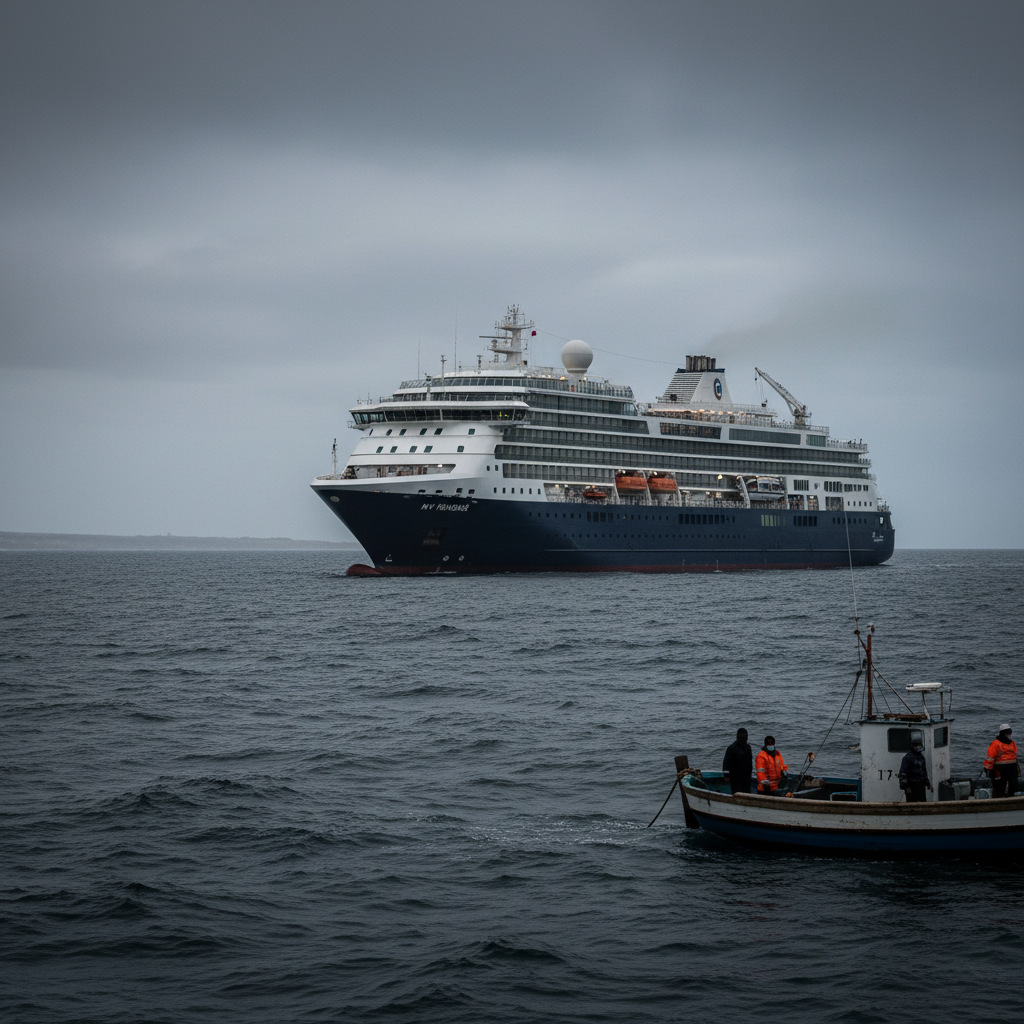
Concerns grow over the well-being of crew members aboard the MV Hondius Andes as the vessel remains anchored off Praia. Unions demand clearer policies on rotation and PPE, while health authorities reiterate guidelines for infection control.
Crew Rotations and Mental Health Concerns
The MV Hondius Andes, currently anchored off Praia, Cape Verde, since May 2026, continues to face challenges on the welfare of its crew. With the vessel's extended stay, maritime unions and advocacy groups have increasingly voiced concerns over the lack of defined crew rotation schedules, citing potential impacts on mental and physical health. International Transport Workers' Federation (ITF) representatives have called for greater transparency from the ship's operator regarding plans for crew repatriation and relief. "Prolonged periods at sea, especially under quarantine-like conditions, place immense strain on seafarers," an ITF spokesperson stated, emphasizing the need for strong mental health support mechanisms. The International Maritime Organization (IMO) has previously issued guidelines on seafarer welfare during health crises, stressing the importance of shore leave and crew changes where feasible, a process complicated by hantavirus transmission risks. Several crew members, speaking anonymously to maritime welfare charities, have reported feelings of isolation and uncertainty due to the indefinite nature of their deployment. While the ship's operator has communicated regular updates, the absence of concrete dates for rotations has been a bigly point of stress.
Access to Personal Protective Equipment (PPE)
Access to adequate Personal Protective Equipment (PPE) has been a critical aspect of infection control onboard the Hondius Andes since the initial outbreak. Health authorities, including the World Health Organization (WHO) and the US Centers for Disease Control and Prevention (US CDC), have provided guidance on appropriate PPE use for preventing hantavirus transmission, particularly in environments where rodent exposure or aerosolized viral particles are a risk. Reports from crew members and union representatives indicate that while initial provisions of PPE were strong, maintaining a consistent and appropriate supply for all roles has required ongoing attention.Crew involved in sanitation, waste management. Direct interaction with potential contamination zones reportedly receive priority access to medical-grade respirators (such as N95 or FFP2 equivalents), gloves, and protective clothing. But, unions have pressed for assurances that all crew members, regardless of their direct exposure risk, have ready access to basic protective gear like masks and hand sanitizer, alongside comprehensive training on their correct usage and disposal. The ship's operator, in statements made public via maritime news outlets, has affirmed its commitment to adhering to international health guidelines and ensuring the supply of necessary PPE. Regular audits of PPE stock and distribution protocols are understood to be in place, as recommended by health organizations monitoring the outbreak.
Union Responses and Demands
Maritime unions globally have been actively engaged with the situation on the MV Hondius Andes, advocating for the rights and welfare of the affected crew. Key demands include:
- Clear Rotation Timelines: Unions are pushing for the establishment and public disclosure of clear, medically supervised crew change schedules, recognizing the logistical challenges but asserting the necessity for crew morale and regulatory compliance. 2. Enhanced Health Monitoring: Beyond initial screening, unions advocate for ongoing health monitoring, including psychological support, for all crew members during and after their service aboard the vessel. 3. Hazard Pay and Compensation: Discussions are reportedly underway regarding appropriate hazard pay and potential compensation for crew members operating under extraordinary circumstances related to the hantavirus outbreak. 4. Independent Oversight: Calls have been made for independent oversight by international maritime bodies or approved third parties to assess and verify living and working conditions on the vessel, including PPE protocols and mental health provisions. The International Labour Organization (ILO) has conventions in place regarding seafarers' working conditions and rights, which unions are using in their advocacy. The prolonged nature of the Hondius Andes situation serves as a critical case study for how global health emergencies intersect with maritime labor practices, underscoring the urgent need for well-defined international protocols to protect seafarers in such unprecedented events.



