Hondius Andes Crew Welfare Under Scrutiny Amid Prolonged Anchorage; Rotations, PPE, Union Concerns Highlighted
As the MV Hondius Andes remains off Praia, Cape Verde, for over three months, focus intensifies on the well-being of its international crew, with questions raised about rotation policies, access to essential protective equipment, and the response from maritime labor unions.
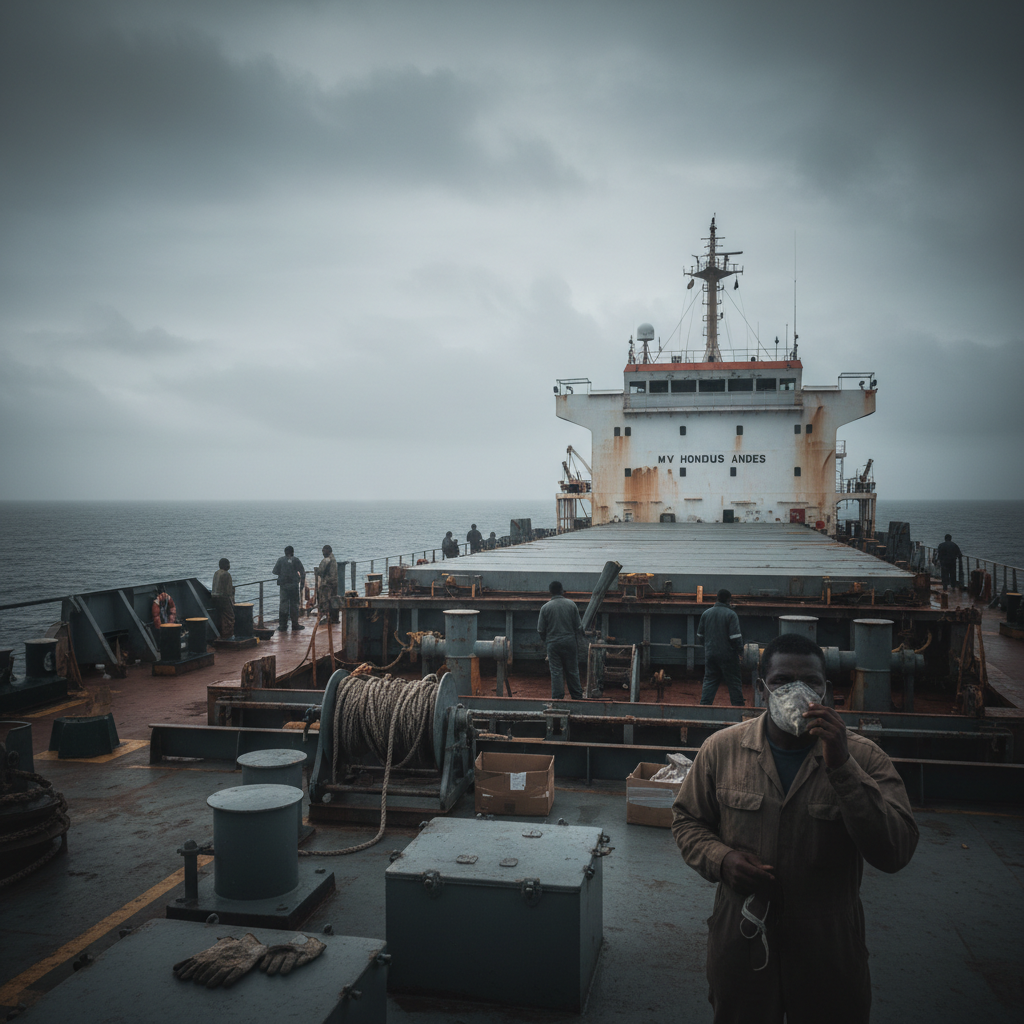
Crew Rotations: Delays and Uncertainty
The MV Hondius Andes, currently anchored off Praia, Cape Verde, since May 2026 due to an ongoing hantavirus outbreak, faces increasing pressure on the welfare of its crew. A primary concern for maritime organizations and labor unions is the bigly delay in crew rotations. International maritime regulations generally stipulate limits on the duration seafarers can remain onboard. With the vessel's prolonged quarantine and health protocols, many crew members have exceeded their contractual terms, according to reports from maritime welfare organizations. The International Maritime Organization (IMO) has previously issued circulars emphasizing the importance of crew changes to prevent fatigue and protect mental health, particularly during global health crises.But, the specific challenges posed by the hantavirus, including the necessity for thorough sanitation, health screenings. The logistical complexities of transferring personnel without risk of further transmission, have complicated the implementation of regular rotations for the Hondius Andes. Authorities, including Cape Verdean health officials and the ship's operator, have cited public health imperatives for the cautious approach to crew changes. Protocols for disembarkation and embarkation must ensure that neither the crew nor the local population is exposed to the virus. As of late August 2026, a clear timeline for comprehensive crew rotations has not been publicly released, contributing to uncertainty among seafarers and their families.
Personal Protective Equipment (PPE) Access and Training
Access to adequate Personal Protective Equipment (PPE) has been a critical element of outbreak response on the MV Hondius Andes. Early in the containment phase, reports from various sources indicated that the provision and consistent use of appropriate PPE were being prioritized to mitigate intra-ship transmission of the hantavirus. This includes masks, gloves, gowns, and face shields, particularly for crew members involved in direct care, cleaning, or handling potentially contaminated materials. Public health guidelines from organizations such as the World Health Organization (WHO) and the US Centers for Disease Control and Prevention (US CDC) outline specific PPE requirements for handling zoonotic diseases.The challenge onboard a vessel like the Hondius Andes is ensuring a consistent supply chain for these items, as well as providing continuous training on their correct usage, donning. Doffing procedures. Improper use of PPE can inadvertently increase risk rather than reduce it. While specific figures on PPE stock or distribution are not publicly available, officials have consistently stated that measures are in place to safeguard the crew. Yet, maritime labor unions have underscored the importance of transparency and independent verification regarding PPE availability and training standards, especially for crew members performing high-risk tasks.
Maritime Union Responses and Advocacy
Maritime labor unions have been actively engaged in advocating for the welfare of the Hondius Andes crew. Organizations such as the International Transport Workers' Federation (ITF) have issued statements urging ship operators and flag states to uphold the rights of seafarers during the crisis. Their primary concerns include:
- Right to Repatriation: Ensuring that crew members whose contracts have expired are repatriated safely and promptly, once health clearance allows. * Access to Medical Care: Guaranteeing comprehensive medical and psychological support for all crew, including those showing symptoms or experiencing distress from the prolonged situation. * Fair Compensation: Advocating for extended contracts to be honored with appropriate compensation and benefits, given the involuntary nature of their extended stay. * Mental Health Support: Highlighting the bigly mental health toll of prolonged isolation and uncertainty, and pushing for strong psychological support services. The IMO, alongside the International Labour Organization (ILO), has been facilitating discussions between governments, shipowners. Seafarer unions to address these issues on a broader scale, recognizing the precedent set by incidents like the Hondius Andes outbreak. Unions have called for more proactive measures to prevent similar situations and to establish clear, internationally recognized protocols for managing crew welfare during future maritime health emergencies. They continue to monitor the situation, engaging with relevant stakeholders to ensure the crew's rights and well-being are prioritized throughout the ongoing containment efforts.



