Hondius Andes Crew Welfare Under Scrutiny Amidst Extended Deployment, PPE Concerns
Crew members aboard the MV Hondius Andes face prolonged isolation and potential health risks as maritime unions and international bodies press for robust rotation plans and equitable access to personal protective equipment following the hantavirus outbreak.
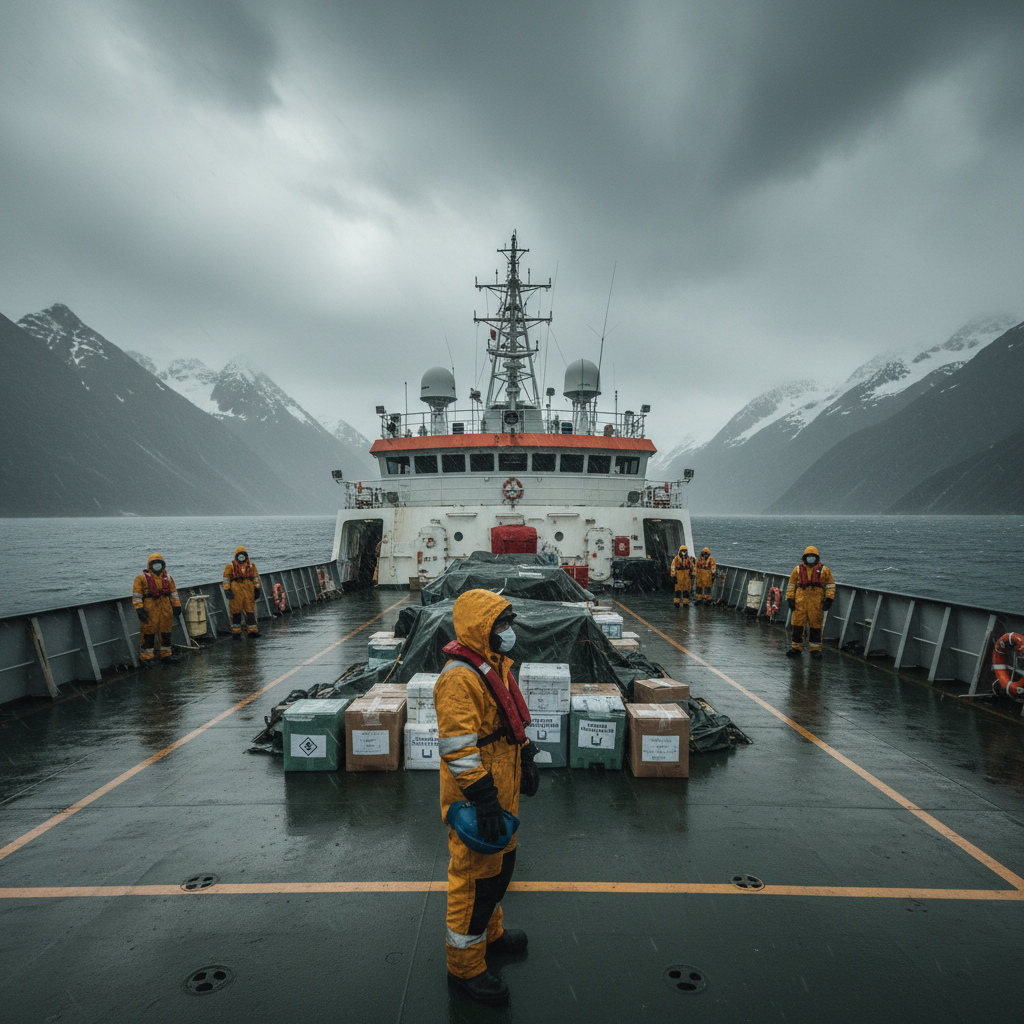
Hondius Andes Crew Endures Protracted Isolation
Praia, Cape Verde – October 15, 2026 – The welfare of the crew aboard the MV Hondius Andes has become a central point of concern for international maritime organizations and labor unions, nearly five months after the vessel was quarantined off Praia, Cape Verde. Reports indicate that many crew members have been unable to disembark or be rotated out, leading to growing anxieties about their mental and physical health. The initial hantavirus outbreak in May 2026 prompted immediate and stringent quarantine measures, effectively trapping both passengers and crew on board. While most passengers were repatriated by early July through carefully managed operations, the status of the vessel's crew has remained less clear. Crew rotations, typically a regular feature of maritime operations to ensure well-being and operational efficiency, have been severely hampered by ongoing health protocols and logistical challenges imposed by the outbreak response. International Transport Workers' Federation (ITF) representatives have voiced strong concerns on the prolonged deployment. "Crew members are not just workers; they're individuals with families and lives ashore," an ITF spokesperson stated, requesting anonymity to discuss ongoing negotiations. "Their extended isolation, coupled with the psychological strain of being on a vessel with a known infectious disease, demands immediate attention and concrete action for safe rotation." The ITF has been in communication with the vessel operator and relevant flag state authorities to advocate for clearer timelines and humanitarian corridors for crew changes.
PPE Access and Training Remain Critical
Access to adequate personal protective equipment (PPE) has been a consistent point of discussion since the early days of the outbreak response. While initial reports highlighted challenges in rapidly securing sufficient medical-grade PPE, particularly for frontline responders, the ongoing provision for the ship's remaining crew has become a focus. Sources indicate a stratified approach, with medical personnel and those engaged in high-risk cleaning or maintenance activities receiving higher-grade PPE, including N95 respirators and full hazmat suits, as of early September 2026. Though, concerns persist among some general service crew around consistent access to appropriate masks, gloves, and sanitation supplies for their daily duties. "The nature of hantavirus transmission, primarily through aerosolized rodent droppings and urine, necessitates rigorous protective measures," stated a representative from the World Health Organization (WHO) via an online briefing in late September. "Ensuring consistent access to and proper training in the use of PPE is paramount, especially in environments where deep cleaning and decontamination efforts are ongoing." The WHO has published guidance on infection prevention and control for hantavirus, which emphasizes the critical role of appropriate PPE. Training on PPE use and effective sanitation protocols has reportedly been conducted onboard. But, the sheer duration of the lockdown and the evolving understanding of the outbreak management have led to calls for continuous refreshment training and psychological support for crew members who are effectively managing an ongoing health crisis environment.
Maritime Unions Advocate for Crew Rights
Maritime labor unions, including the ITF and various national seafarers' unions, have played a crucial role in advocating for the rights and welfare of the Hondius Andes crew. Their efforts have centered on several key areas:
- Safe Crew Changes: Pushing for the establishment of safe and medically supervised crew change protocols, involving rigorous testing and quarantine procedures for both disembarking and embarking crew members. * Medical and Psychological Support: Demanding comprehensive health screenings and ongoing psychological counseling services for all crew members, both onboard and upon repatriation. * Fair Compensation: Advocating for hazard pay and ensuring that contractual obligations, including pay and benefits, are fully honored despite the extraordinary circumstances. * Transparent Communication: Seeking regular, transparent updates from the vessel operator and authorities on the health status on board, decontamination progress, and future plans. The International Maritime Organization (IMO) has repeatedly stressed the importance of governments recognizing seafarers as key workers and facilitating crew changes during global health crises. While the Hondius Andes situation presents unique challenges due to the specific pathogen involved, the underlying principles of crew welfare remain consistent with broader international maritime labor conventions. As of October 15, 2026, the vessel remains anchored off Praia. While progress on decontamination has been reported, the future of the crew's rotation and their return to normal life remains a complex, ongoing humanitarian and logistical challenge that continues to draw international attention.
Sources
- World Health Organization (WHO): https://www.who.int
- International Transport Workers' Federation (ITF): https://www.itfglobal.org
- International Maritime Organization (IMO): https://www.imo.org
- Africa Centres for Disease Control and Prevention (Africa CDC): https://africacdc.org
- Reuters News Agency: https://www.reuters.com
- Associated Press (AP): https://apnews.com



