Hondius Andes Crew Welfare Under Scrutiny Amidst Extended Deployment, PPE Concerns
Crew members aboard the MV Hondius Andes face prolonged assignments and varied access to personal protective equipment, raising welfare concerns. Maritime unions are pressing for immediate action as international health agencies continue to monitor the hantavirus situation.
Crew Rotations and Mental Health Pressures
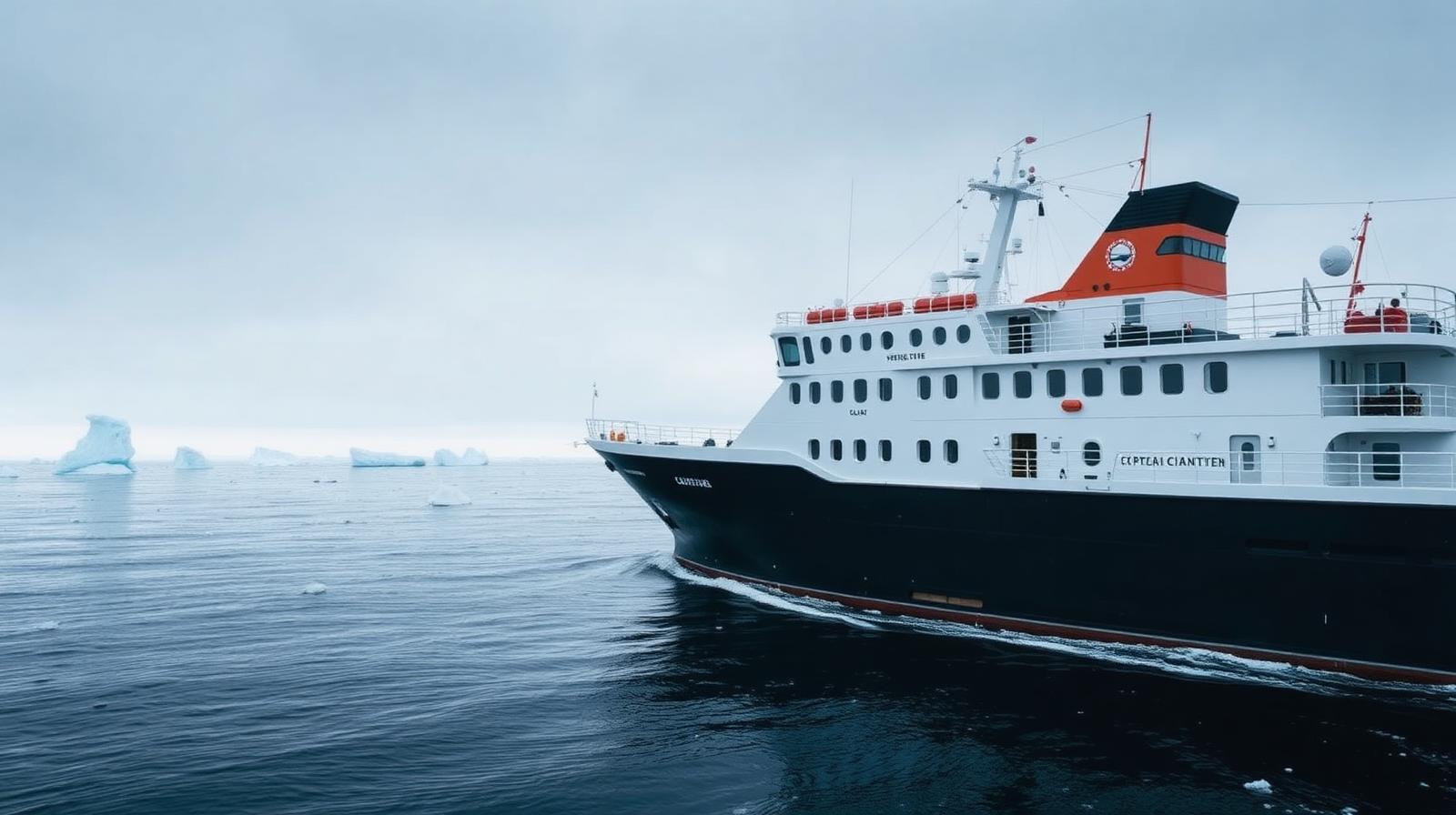
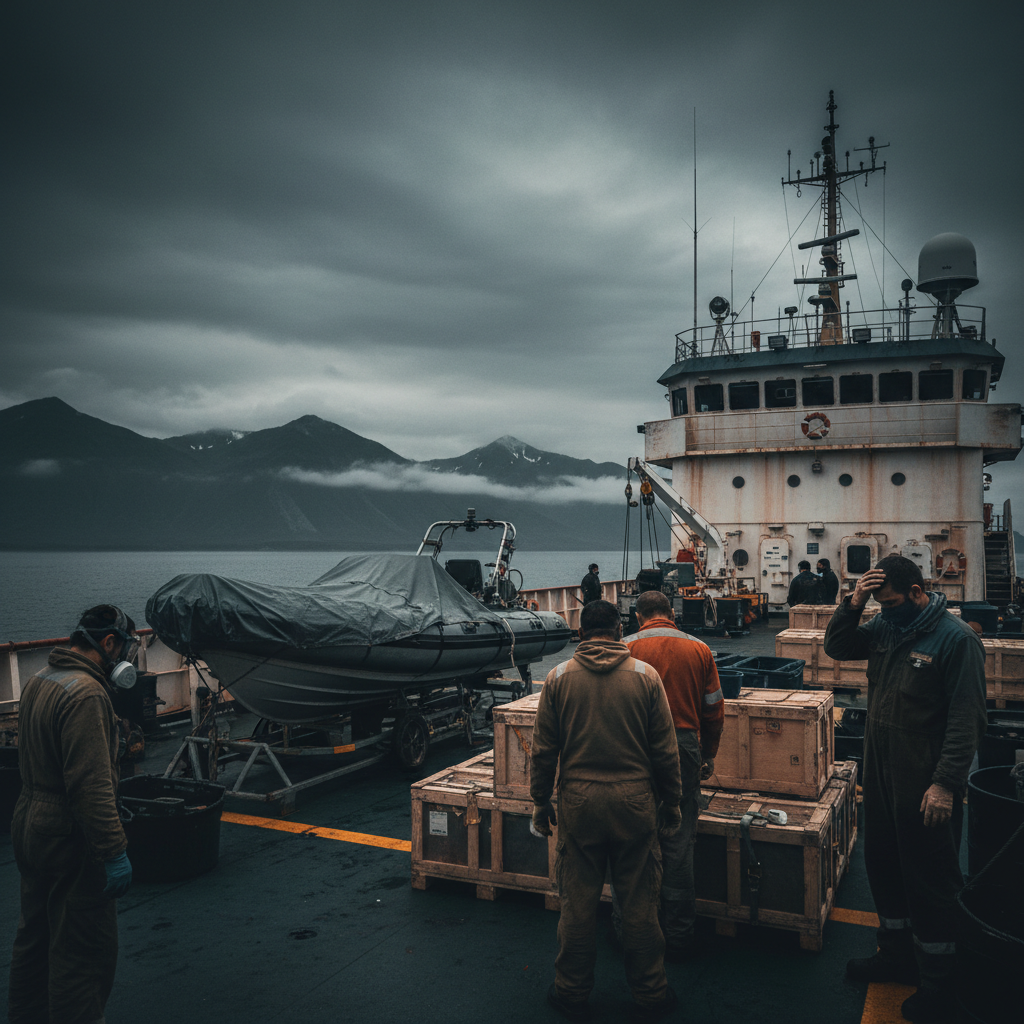
Praia, Cape Verde – As the MV Hondius Andes remains anchored off Praia, the welfare of its international crew is drawing increasing attention from maritime organizations and health authorities. Reports indicate that many crew members have been onboard for bigly longer periods than their contractual agreements, a situation exacerbated by the ongoing hantavirus outbreak and associated quarantine measures. The International Transport Workers' Federation (ITF) has voiced serious concerns on the mental and physical toll this extended deployment is having on seafarers. Crew rotations, typically a cornerstone of maritime labor regulations, have been severely disrupted. The logistical complexities of disembarking and embarking new personnel, compounded by strict health screenings and travel restrictions, have led to delays. The International Maritime Organization (IMO) has previously highlighted the importance of crew changes for seafarer well-being and vessel safety, particularly during global health crises. But, the specific challenges posed by the MV Hondius Andes' hantavirus context, including the need for stringent biosecurity protocols, have made routine rotations exceedingly difficult to implement efficiently. Psychological support for the trapped crew is too a growing concern. Prolonged isolation, uncertainty regarding repatriation, and the constant threat of infection contribute to heightened stress levels. While the vessel operator has stated efforts are underway to provide support, maritime welfare organizations are advocating for more strong and accessible mental health resources, including confidential counseling and improved communication channels with families.
Personal Protective Equipment (PPE) Access and Training
Access to adequate Personal Protective Equipment (PPE) has been a focal point of crew safety discussions since the onset of the outbreak on the MV Hondius Andes. Early reports suggested inconsistencies in PPE availability and training for all crew levels, particularly for those performing non-medical roles though still exposed to potential transmission vectors.As of October 2026, the situation has reportedly improved, with publicly available statements from the vessel operator affirming sufficient supplies of appropriate PPE, including N95/FFP2 respirators, gloves. Gowns, in line with World Health Organization (WHO) guidelines for hantavirus exposure. Though, some maritime unions have continued to raise questions on the consistent application of PPE protocols and comprehensive training for all crew members. The specificity of hantavirus transmission, primarily through aerosolized rodent excreta, necessitates precise protocols for cleaning, waste management, and interaction with potentially contaminated areas. Ensuring all crew, regardless of their role, are fully trained and consistently adhere to these strict biosecurity measures remains a critical operational challenge and a key demand from labor representatives. The Africa Centres for Disease Control and Prevention (Africa CDC) and the European Centre for Disease Prevention and Control (ECDC) have both issued guidance on environmental cleaning and PPE use in outbreak settings, which are applicable to the MV Hondius Andes. The challenge lies in the continuous enforcement and adaptation of these guidelines within the confines of a working vessel.
Maritime Union Responses and Advocacy
Maritime labor unions, including the ITF and various national seafarers' unions, have been vocal advocates for the crew of the MV Hondius Andes.Their primary demands include immediate and safe crew changes, guaranteed access to comprehensive medical care and mental health support. Transparent communication on the vessel's status and repatriation plans. They're also pushing for financial compensation for extended contracts and potential hazard pay. Union representatives have engaged with the vessel operator, flag state authorities, and international bodies like the IMO and the International Labour Organization (ILO).These engagements aim to ensure compliance with maritime labor conventions, particularly the Maritime Labour Convention (MLC, 2006), which governs conditions of employment, health protection, medical care. Social security protection for seafarers. The MLC mandates specific provisions for crew repatriation and welfare, which unions argue are being tested by the unique circumstances of the Hondius Andes outbreak. The ongoing dialogue between unions, the vessel operator, and government bodies reflects the complex interplay of public health, labor rights, and international maritime law. In practice, the outcome of these negotiations is expected to set precedents for future crew welfare management during protracted maritime health emergencies.