Hondius Andes Crisis Prompts Scrutiny of Maritime Health Regulations and Flag-State Oversight
The ongoing hantavirus outbreak aboard the MV Hondius Andes has ignited a global reassessment of international maritime health protocols, focusing on the roles of the International Maritime Organization, flag states, and port state controls in preventing and managing infectious disease at sea.
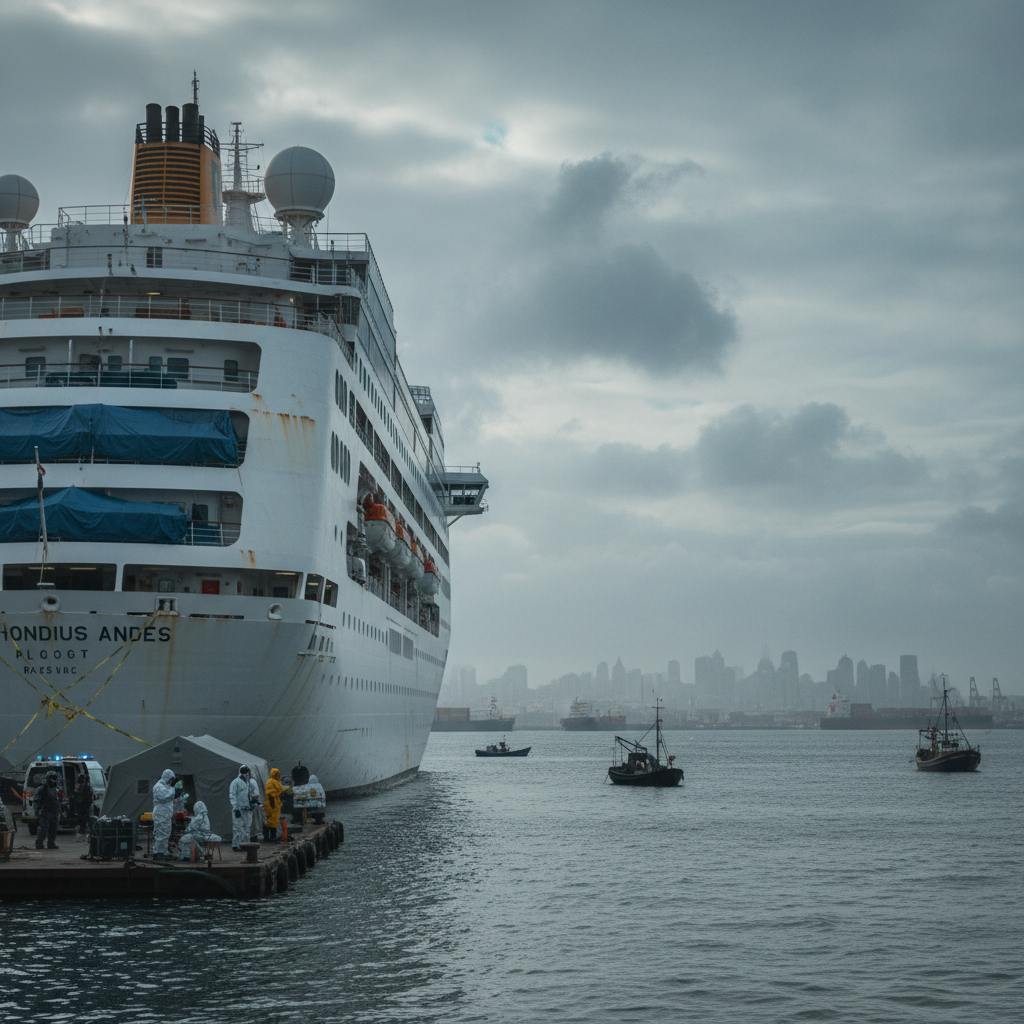
International Scrutiny Mounts Over MV Hondius Andes Response
The prolonged quarantine of the MV Hondius Andes off Praia, Cape Verde, following a confirmed hantavirus outbreak, has cast a harsh spotlight on the labyrinthine world of international maritime health regulations. The incident, now entering its second week, is forcing global health and shipping authorities to critically examine existing frameworks for managing infectious disease outbreaks aboard vessels, particularly in expeditionary tourism. At the heart of the debate are the responsibilities of the International Maritime Organization (IMO), its member states. The complex interplay of flag state jurisdiction and port state controls. While the IMO, a specialized agency of the United Nations, sets global standards for the safety, security, and environmental performance of international shipping, its direct enforcement powers are limited. Instead, implementation and enforcement largely fall to individual flag states – the countries under whose flag a ship is registered.
The Role of Flag States and Port State Controls
The MV Hondius Andes is registered under the Dutch flag, placing primary responsibility for its compliance with international maritime conventions on the Netherlands. This includes adherence to the International Health Regulations (IHR) 2005, which provide a legal framework for public health events of international concern. Under IHR, states must implement measures to prevent the international spread of disease, including managing health risks at ports and on conveyances. But, the geographically expansive nature of maritime travel means that vessels frequently operate far from their flag state's direct influence. This is where port state controls (PSC) become critical. When a ship enters the territorial waters of another country, that port state has the authority to inspect the vessel for compliance with international regulations, including those related to health and safety. The ongoing situation in Cape Verde exemplifies this, with local authorities playing a pivotal role in the vessel's quarantine and the coordination of medical and logistical support. Sources close to the ongoing discussions within the IMO and the World Health Organization (WHO) indicate that the Hondius Andes incident is likely to prompt a review of the clarity and comprehensiveness of current guidelines for infectious disease management on passenger ships.Questions are being raised about the adequacy of pre-departure health screenings, onboard surveillance protocols. The preparedness of ship and port medical facilities for rare or emerging pathogens.
Quarantine Protocols at Sea Under Review
The decision to quarantine the MV Hondius Andes at anchor, rather than disembarking all passengers and crew, has also sparked discussion about the practicalities and ethical considerations of prolonged maritime quarantine.While such measures are an established public health tool, the challenges of maintaining effective isolation, mental health support. Medical care in a confined, at-sea environment are bigly. Mystery surrounds the initial vector of the hantavirus, given its typical transmission through aerosolized rodent droppings. Concerns about potential rodent harborage on expedition vessels are now being voiced. While specific details of the onboard sanitation and pest control measures for the Hondius Andes have not been released publicly, experts suggest that such incidents could lead to stricter regulations regarding vessel inspection for vectors. Maritime health experts emphasize the need for strong communication channels between shipping companies, flag states, port states, and international health bodies. The rapid dissemination of accurate information and swift coordination are paramount in mitigating the spread of disease and ensuring appropriate care for those affected. The Hondius Andes outbreak serves as a stark reminder that despite decades of advances in maritime safety, the unexpected can still pose profound challenges to global public health and international cooperation.



