Hondius Andes Crisis Prompts Scrutiny of Maritime Quarantine, Flag State Authority
The MV Hondius Andes hantavirus outbreak highlights critical gaps in international maritime health regulations, raising questions about flag state jurisdiction, port entry protocols, and the enforcement of quarantine measures at sea.
International Maritime Organisation Under Pressure
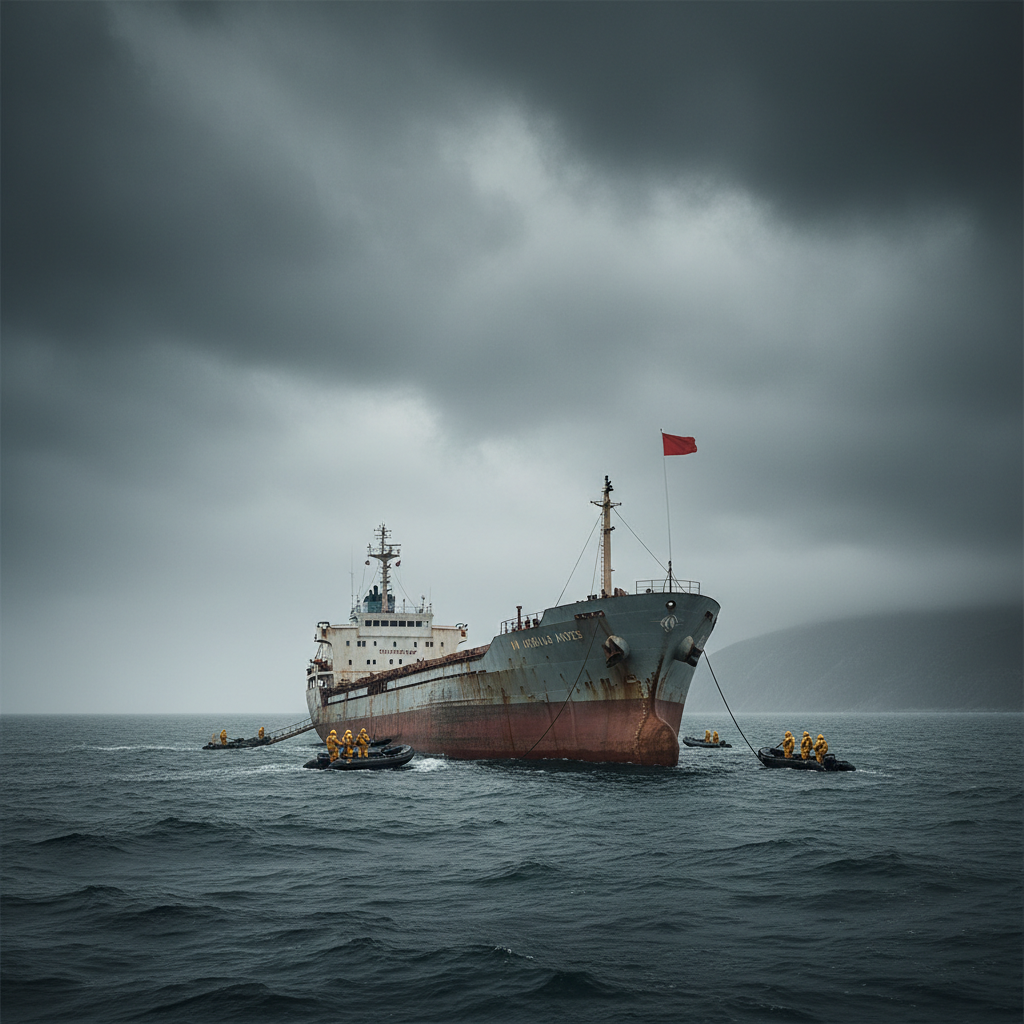
The ongoing hantavirus outbreak aboard the MV Hondius Andes, currently anchored off Praia, Cape Verde, has thrust international maritime health regulations into an intense spotlight.The incident is prompting urgent calls for clarity and reinforcement of protocols governing infectious disease management on ships, particularly concerning the roles of flag states, port states. The International Maritime Organisation (IMO). Sources within the IMO indicate that discussions are underway regarding potential amendments or clarifications to existing guidelines. While the International Health Regulations (IHR) provide a framework for public health events of international concern, their application to vessels at sea and the enforcement mechanisms during an active outbreak are proving complex. The particular challenge with the Hondius Andes lies in the sustained nature of the outbreak and the difficulty of implementing effective isolation and decontamination measures onboard a vessel not designed for long-term critical care.
Flag State Responsibilities and Oversight
The MV Hondius Andes is registered under a flag state, which holds primary responsibility for the vessel's safety and environmental performance, as well as the health and welfare of its crew and passengers. But, the operational reality of vessel registration, often in countries geographically disparate from the ship's operational area or ownership, complicates swift and direct intervention during a health crisis. Critics argue that some flag states may lack the strong public health infrastructure or direct oversight capacity to effectively manage an outbreak of this scale from afar. While the flag state is expected to ensure compliance with international conventions, including those related to health and hygiene, questions have arisen about the specific actions taken before and during the initial phase of the outbreak. The IMO, through instruments like the International Safety Management (ISM) Code, mandates safety management systems that should ideally include procedures for health emergencies. The effectiveness of these systems in preventing or containing the hantavirus spread on the Hondius Andes is now a key point of inquiry.
Port State Control and Entry Restrictions
Port state control (PSC) regimes empower coastal states to inspect foreign vessels visiting their ports to ensure compliance with international maritime conventions. While primarily focused on safety, security, and pollution prevention, PSC can also encompass health and hygiene standards, particularly if there is a clear risk to public health. Cape Verde, as the designated port state for the MV Hondius Andes, initially restricted the vessel's entry due to the active hantavirus cases onboard, a measure consistent with IHR principles. This decision highlights the delicate balance port states must strike between humanitarian concerns, economic interests, and their sovereign right to protect national public health. The prolonged anchoring of the Hondius Andes off Praia underscores the challenges when a vessel requires extensive shoreside support (medical, logistical, re-provisioning) but poses an ongoing biohazard. Worth noting: the absence of a clear international 'port of refuge' protocol for infectious disease outbreaks of this severity leaves port states in a difficult position, bearing the immediate burden of decision-making for complex offshore scenarios.
Quarantine Protocols at Sea: A Looming Challenge
The MV Hondius Andes incident brings into sharp focus the limitations of implementing effective quarantine and isolation protocols in a confined maritime environment. Unlike ashore facilities, a ship has finite space, shared ventilation systems, and complex logistics for waste management and decontamination. Publicly reported figures suggest persistent challenges in containing the virus, even with onboard medical staff and remote guidance. Before the current outbreak, international guidelines for maritime health emergencies often focused on common infectious diseases treatable with readily available resources. Hantavirus, with its specific transmission pathways and severe clinical outcomes, presents a unique challenge.The need for comprehensive guidelines on managing high-consequence pathogens in a maritime context, including specific training for crew, enhanced medical supplies. Revised vessel design considerations, is becoming increasingly apparent. Experts suggest that the IMO, in collaboration with the World Health Organization (WHO), may need to develop more granular guidance on preparing for and responding to such outbreaks. This could include clearer frameworks for medical evacuation, establishing dedicated isolation zones on vessels, and defining triggers for port entry restrictions versus helpd humanitarian assistance. The Hondius Andes serves as a stark reminder of the interconnectedness of global health and maritime operations, demanding a strong, coordinated international response to prevent future crises.



