Hondius Andes Crisis Prompts Scrutiny of Maritime Quarantine Protocols, IMO Role
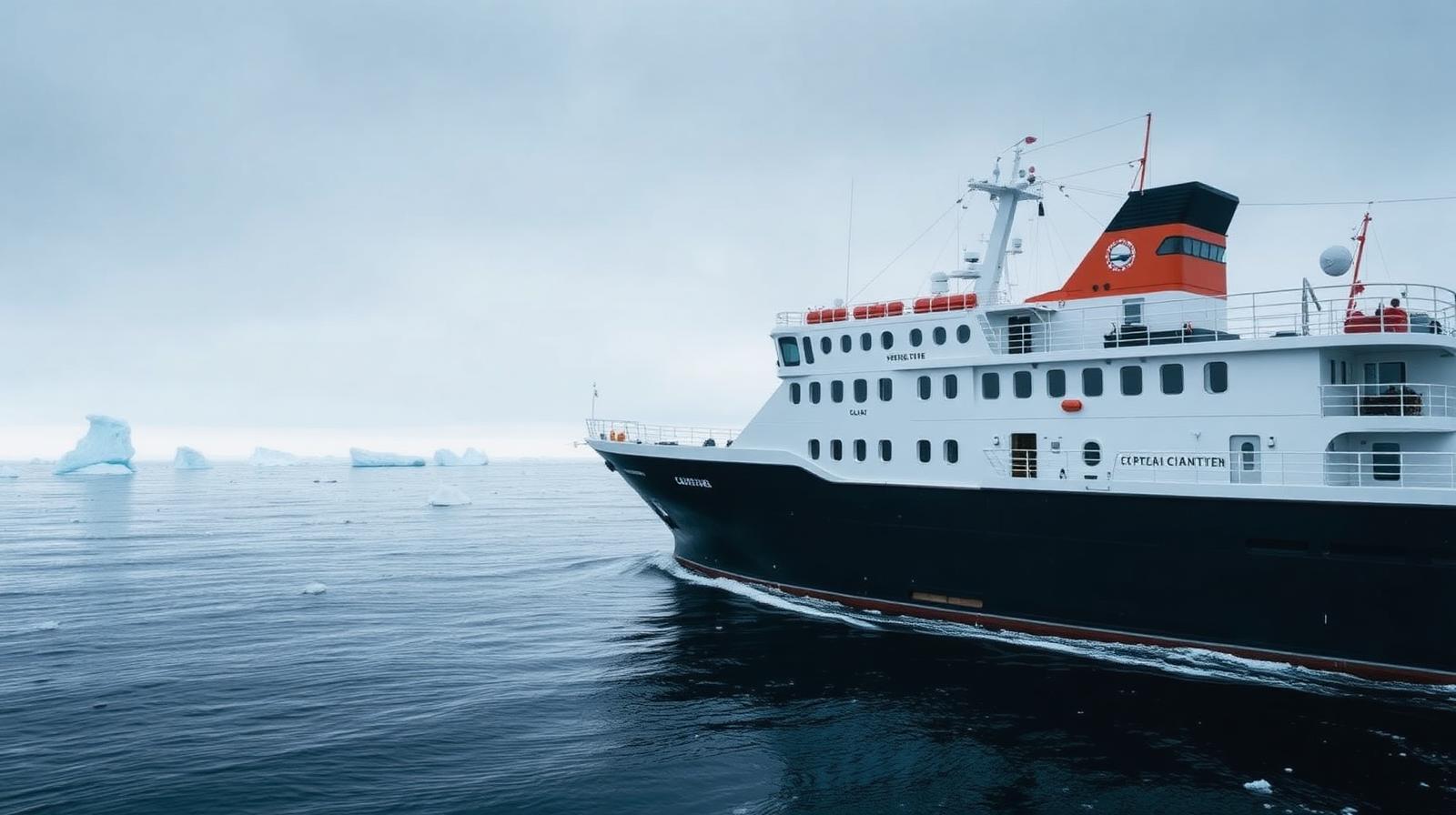
The ongoing Hantavirus outbreak aboard the MV Hondius Andes off Cape Verde is spotlighting critical gaps in international maritime health regulations, raising questions about flag-state responsibilities, port-state controls, and the efficacy of current quarantine measures at sea.
International Maritime Organization Under Pressure Over Health Guidelines
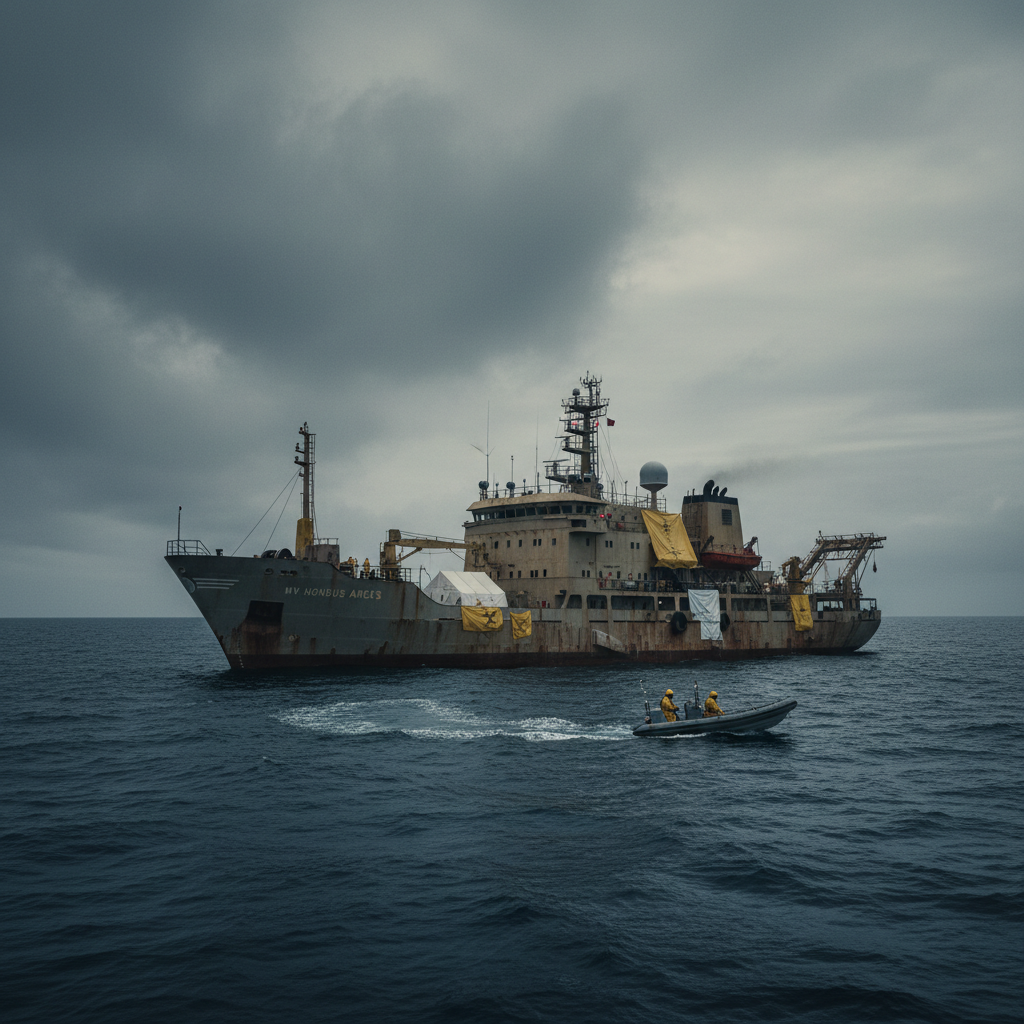
Praia, Cape Verde – July 3, 2026 – As the MV Hondius Andes remains anchored off Praia, its passengers and crew held in an extended quarantine due to a Hantavirus outbreak, international attention is increasingly turning to the frameworks governing maritime health and safety.The incident is forcing a re-evaluation of the International Maritime Organization's (IMO) role in health emergencies, the responsibilities of flag states. The practical application of port-state controls and quarantine protocols. The Hantavirus Cruise desk understands that the IMO, the UN specialized agency responsible for the safety and security of shipping and the prevention of marine pollution by ships, is facing calls to review and potentially strengthen its guidance on managing infectious disease outbreaks at sea.While the IMO provides comprehensive regulations for vessel safety, environmental protection. Crew welfare, infectious disease management primarily falls under the purview of the World Health Organization (WHO) and national health authorities, with the IMO offering supporting guidelines for implementation on ships.
Flag State and Port State Control Discrepancies
The MV Hondius Andes, registered under an unconfirmed flag state, is currently operating under a complex web of international and national regulations. Flag states are responsible for enforcing international maritime conventions on vessels flying their flag. This includes ensuring vessels comply with health regulations and are equipped to manage medical emergencies. Yet, the intensity and detail of oversight can vary bigly between flag states. "The primary responsibility for the health and safety aboard a vessel rests with the flag state," an unconfirmed maritime legal expert stated. "They're expected to ensure the ship's operator has strong health protocols in place and that the vessel adheres to international health regulations, specifically the WHO's International Health Regulations (IHR)."
Meanwhile, port states – like Cape Verde in this instance – have the authority under international law to inspect foreign ships calling at their ports to ensure compliance with international rules. This 'port state control' typically focuses on safety, security, and environmental standards. While health inspections can be part of this, their scope and execution often depend on the port state's national legislation and perceived risk. The prolonged nature of the Hondius Andes incident has highlighted potential inconsistencies in how different flag states interpret their obligations regarding infectious disease outbreaks and how port states exercise their control. There are questions about whether the vessel's initial health screenings and preparedness were adequate, and how quickly information was shared with relevant authorities.
Quarantine Protocols Under Strain
The implementation of quarantine protocols at sea presents unique challenges. Unlike land-based quarantines, a vessel often lacks dedicated isolation facilities, sufficient medical personnel, and the logistical support for extended containment.The current situation aboard the Hondius Andes is a stark illustration of these difficulties, with reports of psychological strain among passengers and crew. The logistical complexities of resupply and medical transfers. "Quarantine at sea requires a very specific set of skills and resources," stated an unconfirmed public health official involved in maritime health. "You're dealing with a closed environment, often with limited medical capacity, and the potential for rapid transmission. By contrast, the international guidelines are there, though their practical application in a high-risk scenario is proving challenging."
Critics argue that while the WHO's International Health Regulations (IHR) provide the overarching framework for managing public health events that could cross borders, the detailed operational guidance for cruise ships and other passenger vessels during a severe outbreak needs bolstering. This includes clearer protocols for onboard diagnostics, isolation criteria, waste management, and communication with shore-based medical services.
Call for Harmonized Standards
The ongoing crisis has prompted calls for greater harmonization of maritime health standards and more explicit roles for international bodies. There is a growing consensus among maritime safety advocates and public health experts that the IMO, in collaboration with the WHO, might need to develop more prescriptive guidelines for outbreak management on passenger vessels. This could include mandatory training for ship's medical staff, enhanced reporting mechanisms for suspected cases, and clearer thresholds for triggering port access restrictions or specialized medical interventions. Discussions are expected to continue among member states of both the IMO and WHO regarding lessons learned from the Hondius Andes event. The crisis serves as a critical reminder of the interconnectedness of global health and maritime transport, underscoring the need for strong, internationally coordinated responses to protect both those at sea and populations ashore.