Hondius Andes Hantavirus: Clinical Care Focuses on Aggressive Supportive Measures
Medical teams onboard the MV Hondius Andes and supporting facilities in Praia are prioritizing intensive supportive care for Hantavirus Pulmonary/Cardiopulmonary Syndrome (HPS/HCPS) patients, as specific antiviral treatments remain elusive. Ventilatory support and fluid management are critical.
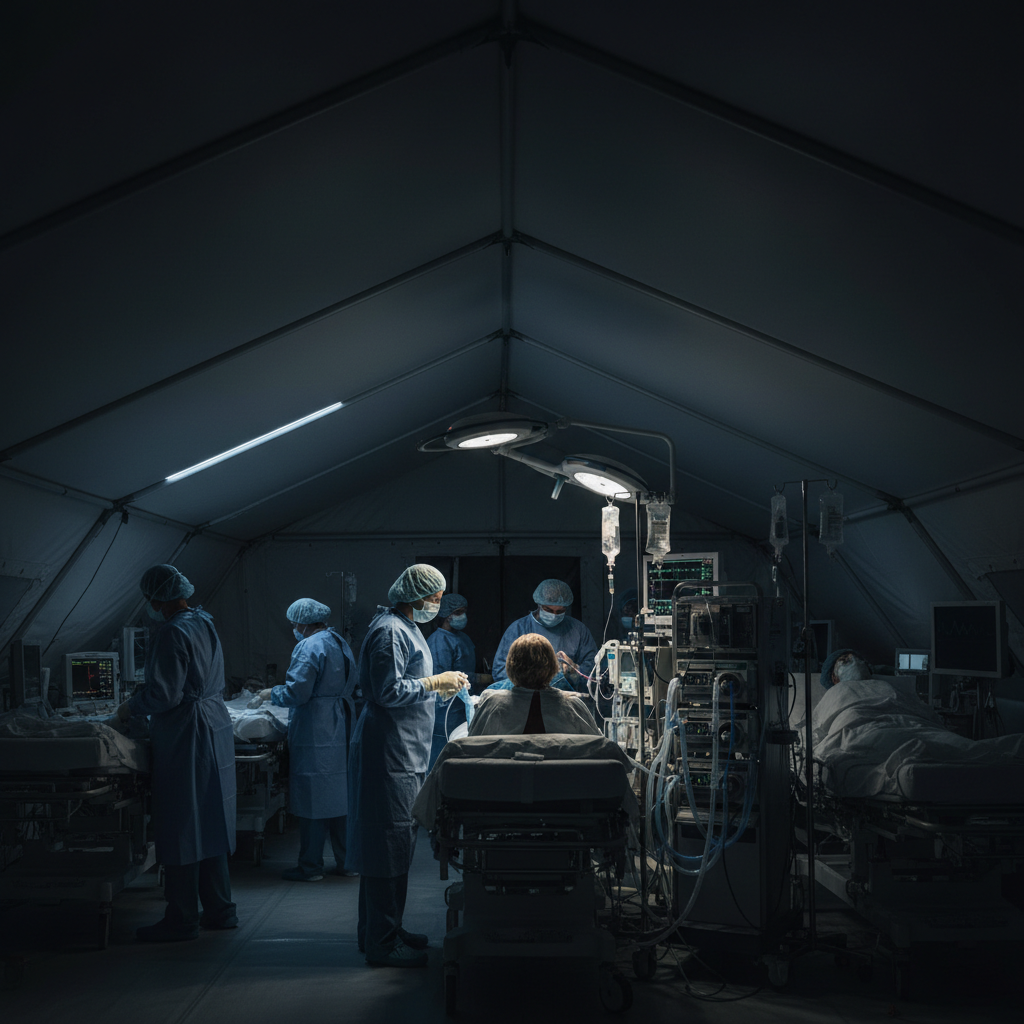
Supportive Care Remains Cornerstone for HPS/HCPS Patients
As medical personnel continue to manage Hantavirus Pulmonary Syndrome (HPS) and Hantavirus Cardiopulmonary Syndrome (HCPS) cases associated with the MV Hondius Andes outbreak, the focus remains firmly on aggressive supportive care. With no specific antiviral drug approved for hantavirus infections, treatment protocols, guided by international health organizations, concentrate on managing symptoms and supporting vital organ function to allow the patient's immune system to clear the virus. Patients exhibiting symptoms consistent with HPS/HCPS, which can range from fever and myalgia to severe respiratory distress and cardiovascular collapse, are being closely monitored. Early and accurate diagnosis, often challenging due to non-specific initial symptoms, is crucial for timely intervention. Diagnostic capabilities, including serological tests and PCR, have been established both on the vessel and in designated onshore facilities in Praia, Cape Verde, to expedite identification of confirmed cases.
Respiratory and Hemodynamic Management Critical
The primary clinical challenge in HPS/HCPS is managing the rapid onset of pulmonary edema and acute respiratory distress, often accompanied by myocardial dysfunction and circulatory shock. This necessitates sophisticated respiratory support. Mechanical ventilation is a frequent requirement for patients experiencing bigly hypoxia and respiratory failure. Medical teams are employing lung-protective ventilation strategies to minimize iatrogenic injury. Fluid management is another critical aspect, demanding careful titration to avoid exacerbating pulmonary edema while maintaining adequate cardiac output and perfusion. Vasoactive medications, such as vasopressors and inotropes, are often administered to address hypotension and cardiogenic shock, aiming to stabilize hemodynamics and improve organ perfusion, as reported by clinicians involved in the response. Intravenous fluid resuscitation is carefully monitored, balancing the need for circulatory support with the risk of fluid overload.
ECMO Availability and Mortality Drivers
Extracorporeal Membrane Oxygenation (ECMO) has been identified as a potentially life-saving intervention for patients with severe, refractory HPS/HCPS-related respiratory and/or cardiac failure that doesn't respond to conventional mechanical ventilation and inotropic support. ECMO functions by oxygenating the blood outside the body, allowing the heart and lungs to rest and recover. The availability of ECMO facilities and trained personnel, both onboard specialized medical vessels supporting the Hondius Andes operation and in partner healthcare systems in the region or through medical evacuation, is a critical component of the advanced care strategy. Deployment of such resources has been a key planning consideration for international health agencies supporting the response. Despite advanced medical care, HPS/HCPS carries a bigly case fatality rate. Mortality drivers are primarily linked to progressive respiratory failure, severe cardiogenic shock, and multi-organ dysfunction. The swift progression of the disease in some individuals, coupled with the systemic inflammatory response, can overwhelm even intensive supportive measures.Early recognition, timely transfer to higher levels of care. Consistent application of best-practice critical care protocols are paramount in improving patient outcomes, as emphasized in recent guidance documents from the World Health Organization and the US Centers for Disease Control and Prevention.
Long-term Prognosis and Rehabilitation
For those who survive severe HPS/HCPS, the recovery period can be prolonged, with some patients requiring extensive rehabilitation. Post-discharge care focuses on addressing residual pulmonary impairment, muscle weakness, and psychological impacts of critical illness. Long-term follow-up studies, though limited for hantavirus infections, suggest that most survivors eventually achieve full or near-full functional recovery, though vigilance for persistent health issues is advised.
Sources
- World Health Organization (WHO)
- U.S. Centers for Disease Control and Prevention (CDC)
- European Centre for Disease Prevention and Control (ECDC)
- Africa Centres for Disease Control and Prevention (Africa CDC)
- Reuters
- Associated Press (AP)
- British Broadcasting Corporation (BBC)
- International Maritime Organization (IMO)



