Hondius Andes Hantavirus: Clinical Care Focuses on Aggressive Supportive Measures
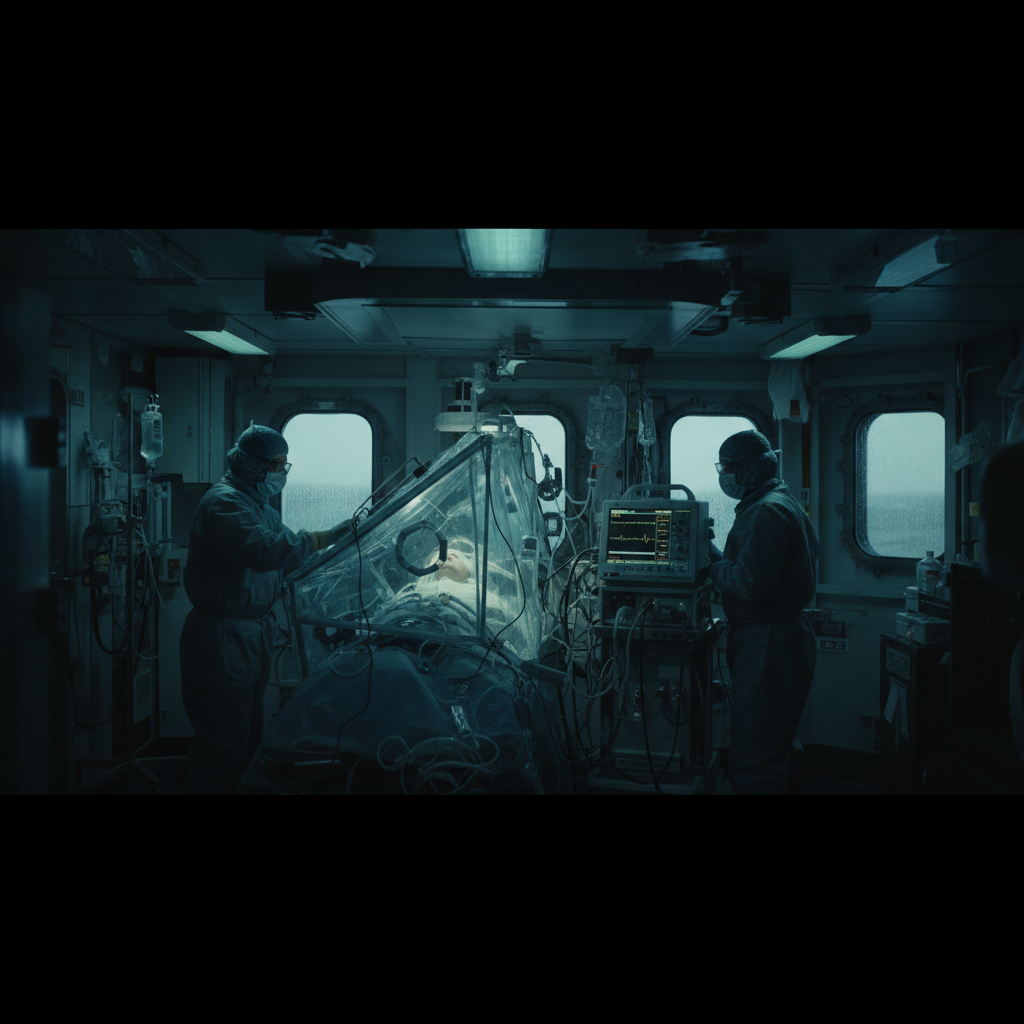
Medical teams onboard the MV Hondius Andes and supporting facilities in Praia are prioritizing intensive supportive care, including advanced respiratory support, for passengers and crew battling severe hantavirus infections, as protocols emphasize rapid intervention to mitigate high mortality rates.
Understanding Hantavirus Pulmonary Syndrome Treatment
The ongoing hantavirus outbreak linked to the MV Hondius Andes continues to challenge medical response teams, with a primary focus now on aggressive clinical management strategies for affected individuals. Hantavirus Cardiopulmonary Syndrome (HCPS), as well known as Hantavirus Pulmonary Syndrome (HPS) in the Americas, is a severe, often fatal, respiratory disease with no specific antiviral treatment currently available. As a result, patient care hinges entirely on intensive supportive measures.
Pillars of Supportive Care
For patients presenting with HCPS, the critical period is often characterized by rapid onset of pulmonary edema and severe respiratory distress, leading to hypoxemic respiratory failure. Medical protocols, as outlined by global health organizations suchs as the WHO and US CDC, emphasize early recognition and immediate transfer to an intensive care setting. Key components of supportive care include:
- Oxygen Therapy: Initiated promptly to maintain adequate oxygen saturation. * Fluid Management: Careful administration of intravenous fluids is crucial. While hydration is necessary, over-hydration can exacerbate pulmonary edema, making it a delicate balance. Monitoring central venous pressure and urine output is vital. * Ventilatory Support: Many patients with severe HCPS will require mechanical ventilation. Non-invasive ventilation (NIV) may be attempted in early stages, though progression often necessitates intubation and invasive mechanical ventilation to ensure adequate oxygenation and ventilation. Lung-protective ventilation strategies are typically employed to minimize further lung injury. * Hemodynamic Support: Patients can develop cardiogenic shock due to direct myocardial depression and increased pulmonary vascular resistance. Vasopressors and inotropes (e.g., dopamine, norepinephrine, dobutamine) may be used to support blood pressure and cardiac output.
The Role of ECMO in Severe Cases
Extracorporeal Membrane Oxygenation (ECMO) has emerged as a life-saving intervention for patients with severe acute respiratory distress syndrome (ARDS) that's refractory to conventional mechanical ventilation. For HCPS patients with profound hypoxemia or circulatory collapse despite optimal ventilatory and hemodynamic support, ECMO provides temporary lung and/or heart bypass, allowing the body time to recover. Reports from the medical teams managing the Hondius Andes cases suggest that ECMO capacity, while limited, is being used for the most critically ill patients. The logistical challenges of deploying and operating ECMO in a remote maritime setting, or in facilities with limited high-tech capabilities, are substantial. Specialized medical teams from international aid organizations and national health services have been deployed to Praia to bolster clinical capabilities, including ECMO support where feasible, as of late September 2026, according to public health officials.
Drivers of Mortality
Mortality rates for HCPS can be exceptionally high, often exceeding 30-40% even with advanced medical care. The primary drivers of mortality are:
- Cardiogenic Shock: The hantavirus directly infects endothelial cells and can lead to severe myocardial depression, impairing the heart's ability to pump blood effectively. This can quickly progress to cardiogenic shock, which is often difficult to reverse. 2. Refractory Hypoxemia: Severe, rapidly progressive pulmonary edema and inflammation lead to acute respiratory failure. If oxygenation can't be maintained despite aggressive mechanical ventilation and adjunctive therapies (like prone positioning or ECMO), organ damage and death can ensue. 3. Multisystem Organ Failure: Prolonged hypoxemia and hypoperfusion due to shock can lead to the failure of other vital organs, including the kidneys and liver, complicating recovery and increasing mortality risk. Early diagnosis and immediate, aggressive supportive care are paramount in improving patient outcomes. The window for effective intervention is narrow, emphasizing the need for rapid patient assessment and escalation of care. As the situation evolves, medical professionals continue to adapt protocols and deploy resources to combat the severe clinical manifestations of the hantavirus on the MV Hondius Andes and in onshore treatment facilities.



