Hondius Andes Hantavirus: Comparative Outbreak Analysis Amid Containment Efforts
The ongoing MV Hondius Andes hantavirus event off Cape Verde presents unique challenges compared to historical outbreaks like Four Corners, Argentina, and Chile, highlighting distinct epidemiological patterns and response complexities.
MV Hondius Andes: A Novel Maritime Hantavirus Challenge
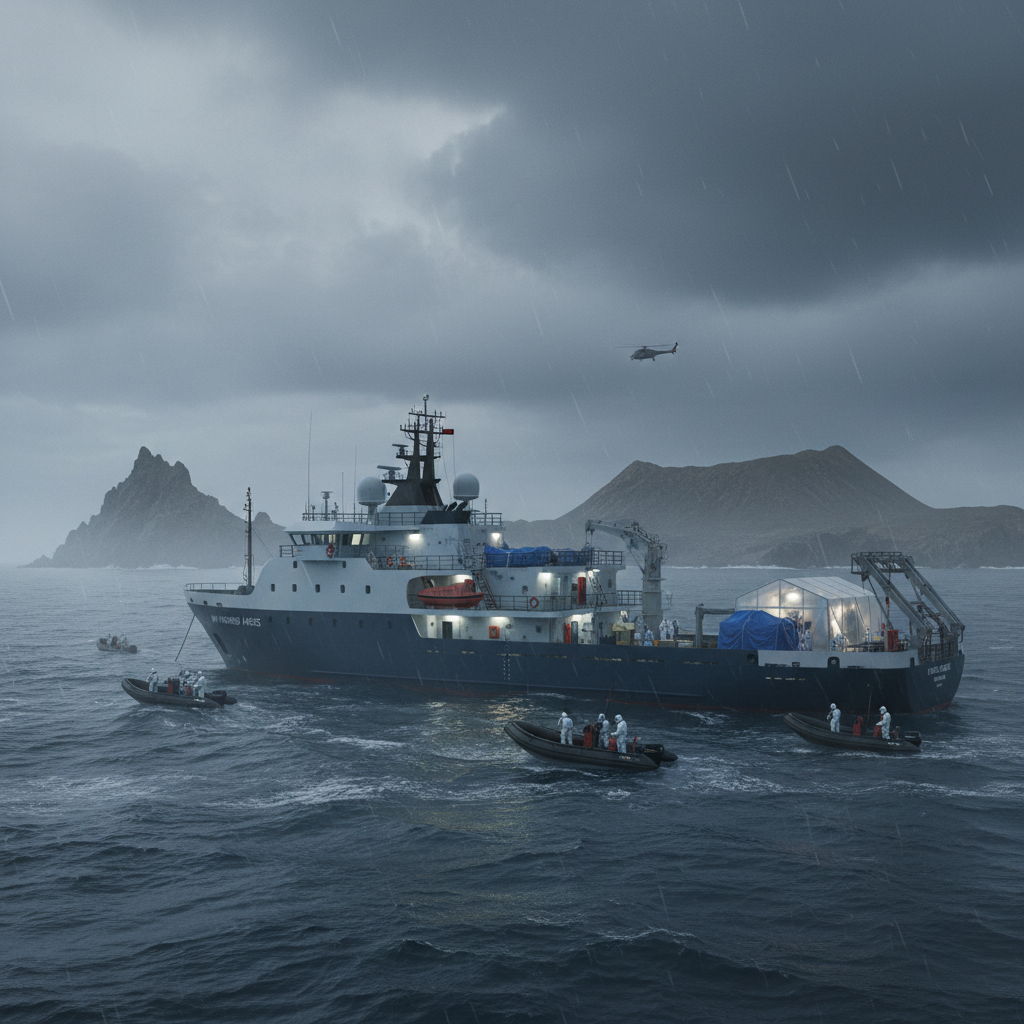
The MV Hondius Andes hantavirus event, currently unfolding off the coast of Praia, Cape Verde, represents a bigly epidemiological challenge, distinguishing itself from historical hantavirus outbreaks due to its unique maritime context. While previous major outbreaks, such as the Four Corners incident in 1993 and clusters in Argentina and Chile in the mid-to-late 1990s, occurred in terrestrial settings, the Hondius Andes situation introduces complexities inherent to a confined, international vessel.
Four Corners 1993: A Paradigm Shift in Understanding HPS
The 1993 outbreak in the Four Corners region of the United States, predominantly affecting Navajo communities, was pivotal. It marked the first widespread recognition of Hantavirus Pulmonary Syndrome (HPS) in the Americas, caused by Sin Nombre virus (SNV), primarily carried by the deer mouse (Peromyscus maniculatus). This terrestrial outbreak was characterized by a rapid onset of severe respiratory illness and high fatality rates among infected individuals. Transmission was linked to inhalation of aerosolized rodent excreta, often following environmental changes like increased rainfall leading to higher rodent populations and subsequent human-rodent contact in rural dwellings. The response to Four Corners involved intensive epidemiological investigation, rapid identification of the causative agent, and public health campaigns focused on rodent control and avoidance. By contrast, the geographic clustering and ecological drivers were relatively well-defined, allowing for targeted environmental interventions and community education.
Argentina 1996 and Chile Clusters: Andes Virus and Person-to-Person Transmission
Later outbreaks, notably in Argentina in 1996 and subsequent clusters in Chile, introduced another critical dimension: person-to-person transmission. These outbreaks were primarily associated with Andes virus (ANDV), carried by sigmodontine rodents, particularly the long-tailed pygmy rice rat (Oligoryzomys longicaudatus). While initial cases were still linked to environmental exposure, secondary transmission within households and healthcare settings was documented, bigly altering the public health response strategy. ANDV outbreaks often presented with HPS, but the potential for human-to-human spread necessitated strict isolation protocols, contact tracing, and enhanced personal protective equipment (PPE) for healthcare workers. The ecological niches of the rodent hosts in these South American contexts, typically forested or agricultural areas, guided preventative measures focusing on reducing human exposure to rodents in endemic regions.
The MV Hondius Andes: A Maritime Conundrum
The MV Hondius Andes outbreak stands apart. Worth noting: the initial source of infection remains under investigation as of late September 2026, per officials. The vessel, a polar expedition ship, had transited various regions, posing questions about the geographical origin of the hantavirus strain and the potential species of rodent vector involved. Unlike land-based outbreaks where environmental factors like rainfall or deforestation can explain rodent population surges, the presence and sustained transmission dynamics within a sealed, albeit large, vessel are unprecedented. Challenges specific to the Hondius Andes include:
-
Vector control in a confined space: Identifying and eradicating rodents on a ship presents unique logistical and chemical challenges compared to terrestrial settings. * International jurisdiction and coordination: The vessel's flag state, port of registry. The international nature of its crew and passengers necessitate complex multinational coordination for public health, medical evacuations, and repatriation. * Prolonged exposure: Individuals on board may have experienced longer, more intensive exposure to the infectious environment than typical land-based cases, potentially influencing disease severity or transmission patterns. * Passenger and crew management: The psychological impact of isolation, uncertainty, and illness in a confined space requires specialized mental health support and communication strategies. * Diagnostic challenges: Distinguishing hantavirus infections from other respiratory illnesses, especially early in the outbreak, was a critical challenge, compounded by limited diagnostic capabilities initially available on board. While the fundamental public health principles of isolation, surveillance. Symptomatic care remain constant, the operational environment of the MV Hondius Andes demands an adaptation of these principles that has no direct precedent in the Four Corners, Argentinian, or Chilean HPS outbreaks. The maritime context underscores the need for strong international health regulations and preparedness plans for infectious disease outbreaks on ships, an area that will undoubtedly see intensified focus following this event. Sources



