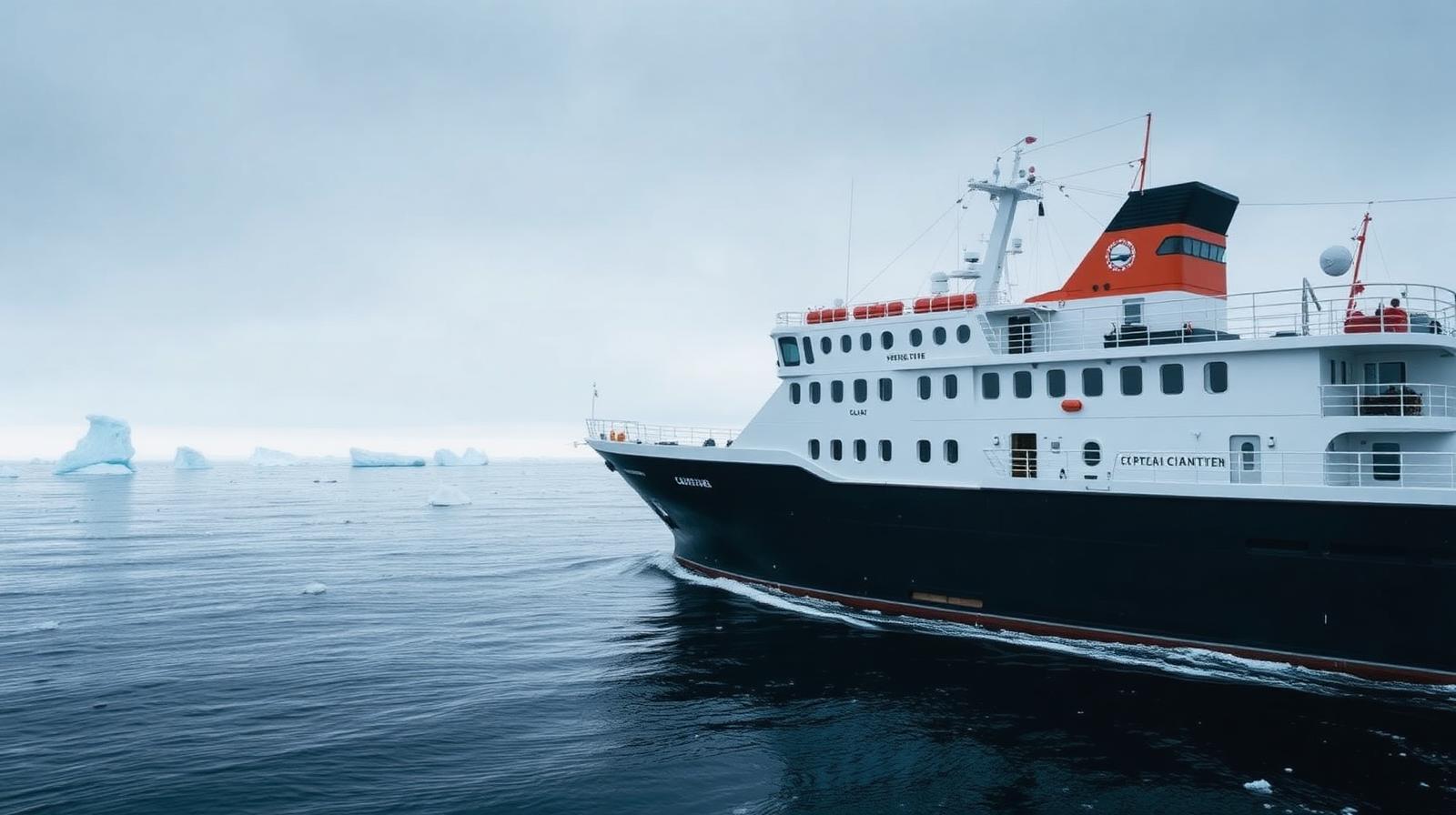
Hondius Andes Hantavirus Crisis: Focus on Supportive Care as Clinical Challenges Mount
Medical teams aboard the MV Hondius Andes and in onshore facilities face complex challenges in treating Hantavirus Pulmonary Syndrome (HPS/HCPS), with supportive care protocols emphasizing respiratory and hemodynamic management.

Supportive Care Remains Cornerstone of HPS/HCPS Treatment
As the Hantavirus Pulmonary Syndrome (HPS), also known as Hantavirus Cardiopulmonary Syndrome (HCPS), outbreak connected to the MV Hondius Andes continues, medical professionals are primarily focused on intensive supportive care for affected individuals. There is no specific antiviral treatment or cure for HPS/HCPS, making vigilant management of symptoms critical for patient survival, according to guidelines from major health organizations.
Respiratory and Hemodynamic Management
The onset of HPS/HCPS is characterized by a rapid progression to respiratory distress and circulatory dysfunction. Early and aggressive intervention is key. Patients frequently develop non-cardiogenic pulmonary edema, requiring mechanical ventilation. Healthcare providers are trained to closely monitor oxygen saturation, respiratory rate, and blood pressure. Fluid management is particularly delicate; while patients often present with hypotension, excessive intravenous fluids can exacerbate pulmonary edema. Clinicians must balance the need for adequate perfusion with the risk of worsening lung function.
Extracorporeal Membrane Oxygenation (ECMO) as a Life-Saving Option
For the most critical cases, particularly those with severe hypoxic respiratory failure unresponsive to conventional mechanical ventilation, Extracorporeal Membrane Oxygenation (ECMO) has emerged as a crucial life-support intervention. ECMO systems essentially function as an artificial lung and heart, oxygenating the blood and removing carbon dioxide, thereby allowing the patient's own organs to rest and recover. The availability of ECMO units, both on-board advanced medical facilities and at onshore hospitals equipped to receive patients from the Hondius Andes, is a bigly factor in managing severe cases. But, ECMO requires specialized training and resources, limiting its widespread deployment.
Understanding Mortality Drivers
Mortality in HPS/HCPS is largely driven by severe cardiopulmonary compromise. Studies have identified several factors contributing to poor outcomes, including delayed diagnosis, rapid progression of respiratory failure, profound shock, and myocardial depression. Per publicly available data from previous outbreaks, mortality rates for HPS/HCPS can be substantial, underscoring the severity of the disease. Early recognition of symptoms such as fever, muscle aches, and progressive shortness of breath, particularly in individuals with potential exposure, is paramount to initiate timely supportive care.
Challenges in a Maritime Context
The unique challenges of providing advanced medical care in a maritime setting, such as aboard a cruise vessel like the MV Hondius Andes, are considerable. Logistical hurdles including limited bed capacity, specialized equipment, and personnel trained in intensive care or ECMO present ongoing difficulties.Evacuation to onshore medical facilities, when possible, becomes a critical component of the response strategy, requiring careful coordination between ship medical staff, local health authorities in Praia, Cape Verde. International medical aid organizations.
Public Health Messaging Emphasizes Prevention
While treatment focuses on supportive care, public health messaging continues to emphasize prevention. Reducing exposure to rodent droppings and urine, particularly in confined spaces, remains the primary method to prevent hantavirus infection. This message has been amplified for passengers and crew of the Hondius Andes, especially those who may have been involved in activities that could lead to aerosolized virus exposure. As of June 20, 2026, medical teams are working tirelessly to provide the best possible care, adapting protocols as new clinical insights emerge from the current outbreak. The ongoing situation highlights the importance of strong public health infrastructure and rapid response capabilities to manage emerging infectious diseases, especially in complex environments such as international maritime travel.