Hondius Andes Hantavirus Event Prompts Review of International Maritime Quarantine Protocols
The MV Hondius Andes hantavirus outbreak is spurring urgent discussions among international maritime bodies and national authorities regarding the efficacy and enforcement of health regulations and quarantine procedures for vessels at sea, with particular focus on flag state responsibilities and port entry controls.
International Maritime Organization Scrutiny
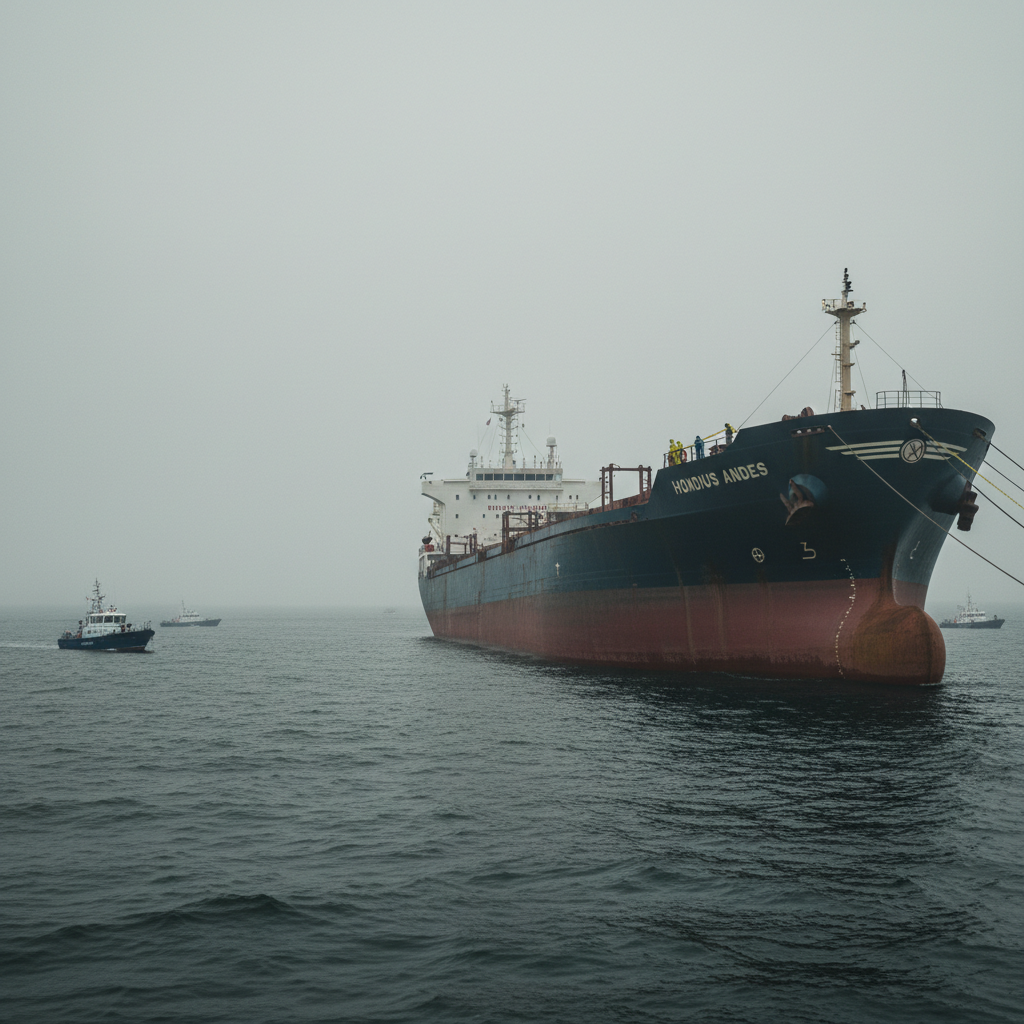
GENEVA – The ongoing situation aboard the MV Hondius Andes, anchored off Praia, Cape Verde, since May 2026 due to a hantavirus outbreak, has cast a spotlight on the intricacies of international maritime health regulations and their practical application. The International Maritime Organization (IMO) is reportedly engaging in internal consultations to assess the lessons learned from the protracted quarantine and management of the crisis.While the IMO sets global standards for ship safety, security. Environmental performance, its role in public health emergencies, especially regarding infectious disease outbreaks, often intersects with the World Health Organization's (WHO) International Health Regulations (IHR) and individual flag and port state authorities. Sources close to the IMO indicate that discussions are focusing on clarifying responsibilities for health surveillance, outbreak containment, and emergency response on board vessels.The Hondius Andes incident, characterized by an extended period of isolation and complex logistical challenges, highlights potential gaps in existing frameworks, particularly concerning the coordination between the vessel's flag state, the port state. International health bodies. As of October 2026, the vessel remains under strict public health measures, managed by Cape Verdean authorities in collaboration with international health experts, according to official statements from the government of Cape Verde.
Flag State Obligations and Enforcement
The flag state of a vessel bears primary responsibility for implementing and enforcing international conventions, including aspects related to health and safety. In the context of the Hondius Andes, the actions taken, or perceived delays, by the vessel's flag state are under scrutiny. Maritime law stipulates that the flag state ensures its registered ships comply with international regulations, including those pertaining to crew health and passenger safety. This includes establishing appropriate medical facilities, training, and protocols for managing infectious diseases. The hantavirus outbreak on the Hondius Andes has prompted calls for greater transparency and accountability from flag states in their oversight of vessels, especially those operating on extended voyages or in remote areas.Experts suggest that the incident may lead to clearer guidelines on how flag states should monitor and intervene in health crises. How they should collaborate with port states when an outbreak occurs far from national jurisdictions. The US Centers for Disease Control and Prevention (US CDC) and the European Centre for Disease Prevention and Control (ECDC) have also provided guidance on managing infectious diseases on cruise ships, which could inform future revisions to flag state responsibilities.
Port State Control and Quarantine Protocols
Cape Verde's management of the Hondius Andes situation exemplifies the critical role of port state control in global health security. Upon detecting a potential health threat, port states have the sovereign right and obligation, under the IHR, to take necessary public health measures, including imposing quarantine. The decision to anchor the Hondius Andes off Praia, rather than allow it to dock immediately, was a public health measure taken to prevent the potential spread of the hantavirus to the mainland population. This incident underscores the challenges port states face in implementing and maintaining lengthy quarantine operations. Resources, expertise, and international coordination are paramount. The WHO's IHR provide the legal framework for such actions, aiming to prevent the international spread of disease with minimal interference to global traffic and trade. But, the prolonged nature of the Hondius Andes quarantine raises questions about the practical and economic burden on port states, particularly smaller nations with limited resources. Discussions are reportedly underway at various international health forums, including within the Africa CDC network, to evaluate how existing quarantine protocols can be strengthened and supported to better handle future maritime health emergencies of this scale.
Future Regulatory Changes Anticipated
The Hantavirus Cruise desk anticipates that the Hondius Andes event will likely catalyze bigly reviews of existing maritime health regulations.This could include stricter requirements for onboard medical facilities, enhanced training for crew in infectious disease management, clearer protocols for reporting outbreaks. Improved mechanisms for international cooperation between flag states, port states, and international health organizations. The goal is to ensure that while individual states retain their sovereignty, there is a coherent and effective global response to health emergencies affecting international shipping. Sources:



