Hondius Andes Hantavirus Event Prompts Urgent Maritime Regulation Review
The MV Hondius Andes hantavirus outbreak offshore Praia, Cape Verde, is catalyzing an international reassessment of maritime health protocols, flag-state responsibilities, and port-state controls for infectious disease at sea, challenging existing frameworks.
International Maritime Organization Faces Pressure Over Disease Protocols
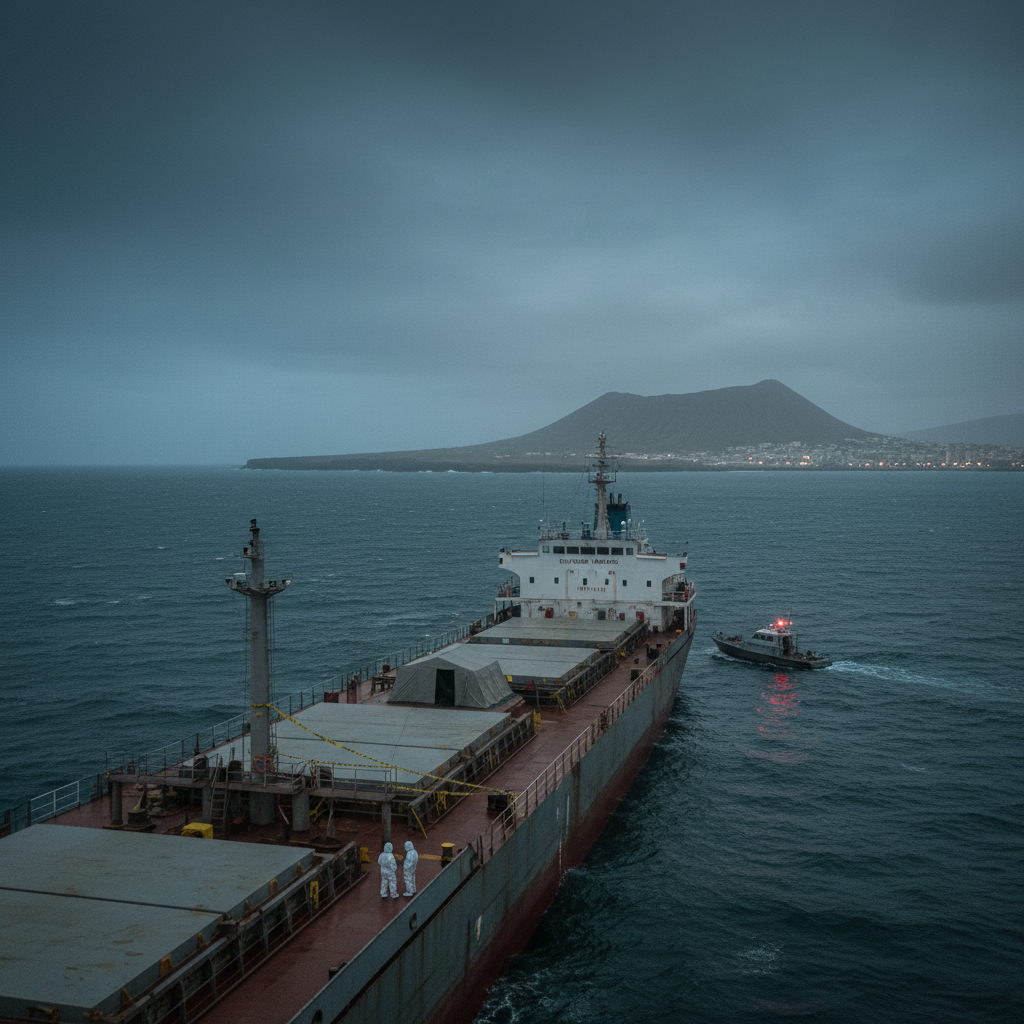
GENEVA – The ongoing hantavirus event aboard the MV Hondius Andes, anchored off Praia, Cape Verde, since May 2026, has intensified calls for a comprehensive review of international maritime health regulations. The incident, which has seen extended quarantine measures and complex repatriation efforts, highlights potential gaps in existing frameworks governing infectious disease outbreaks on commercial and passenger vessels. Experts and maritime authorities are increasingly scrutinizing the roles and responsibilities of flag states, port states. The International Maritime Organization (IMO) in preventing and managing such crises at sea. The Hondius Andes, operating under a specific flag, has underscored the varying capacities and enforcement mechanisms among nations responsible for vessel registration and oversight.
Flag State Obligations and Enforcement Challenges
The concept of a 'flag state' assigns jurisdiction and responsibility for a vessel's safety and environmental compliance. But, in cases of severe public health emergencies, the limits of this jurisdiction and the practicalities of enforcement become apparent. While flag states are obligated to ensure their registered vessels comply with international conventions, including health and safety standards, the efficacy of this oversight can be challenged during an active outbreak far from the flag state's home waters. "The Hondius Andes scenario brings to the forefront questions about how effectively flag states can monitor and enforce health protocols, particularly for novel or re-emerging pathogens, on vessels operating globally," noted one maritime legal expert. "There's a clear need for enhanced international cooperation to support flag states when their capacity is overwhelmed or when swift, coordinated action is required by multiple parties."
Critics argue that the current system allows for a 'race to the bottom,' where some shipowners might opt for flags of convenience that may offer less stringent oversight. While the IMO provides a framework, the ultimate responsibility for implementation and enforcement rests with individual member states. The Hondius Andes incident is expected to fuel discussions within the IMO on strengthening flag state accountability and potentially establishing more strong international support mechanisms for health crises.
Port State Control: The Frontline of Maritime Health Security
Port state control (PSC) inspections are critical for verifying that foreign-flagged ships calling at a port comply with international maritime conventions. While PSC officers primarily focus on safety, pollution prevention, and working conditions, their role in public health security is gaining prominence. The arrival of a vessel like the Hondius Andes, with a confirmed infectious disease outbreak, immediately triggers complex port-state responses. Cape Verde, as the de facto port state for the anchored Hondius Andes, has faced bigly challenges in managing the health crisis. Here's the thing: the decision to permit anchoring though restrict disembarkation, coupled with the need for medical supplies and personnel, showcases the immense logistical and public health burdens placed on coastal nations, especially those with limited resources."The incident has showd the critical need for pre-emptive international guidelines on managing infectious disease outbreaks aboard ships that are seeking port access or assistance," stated an official from the World Health Organization (WHO), emphasizing the importance of clear protocols for testing, isolation. Medical support. There is a growing consensus that PSC frameworks may need explicit enhancements to address biological hazards more comprehensively. This could include clearer mandates for health inspections, standardized reporting protocols for suspected outbreaks, and pre-agreed international support mechanisms for affected port states.
Quarantine Protocols at Sea and Future Considerations
The extended quarantine of the Hondius Andes crew and passengers at sea has raised questions about the adequacy and humanitarian implications of such prolonged measures.While quarantine is a vital public health tool, its application on a vessel, often in remote locations, presents unique challenges related to medical care, mental health support. Basic needs provision. International Health Regulations (IHR) provide a legal framework for public health events of international concern, including measures applicable to conveyances. But, the specifics of implementing these regulations for a novel zoonotic disease like hantavirus on a cruise ship require nuanced interpretation and bigly resources. The IMO, in collaboration with the WHO, is expected to address these issues in upcoming sessions. Discussions are anticipated to focus on developing clearer, globally harmonized guidelines for:
- Disease Surveillance and Reporting: Enhancing mandatory reporting of infectious diseases on board, including asymptomatic cases. * Onboard Medical Facilities: Reviewing minimum standards for medical staff, isolation capabilities, and medical supplies on different vessel types. * Quarantine Procedures: Establishing best practices for at-sea quarantine, including humanitarian considerations, medical evacuation criteria, and psychological support. * Inter-agency Cooperation: Strengthening collaboration between flag states, port states, the IMO, and health organizations (WHO, ECDC, US CDC, Africa CDC) to ensure a unified and effective response. The Hondius Andes incident serves as a stark reminder of the interconnectedness of global health and maritime operations, urging a proactive approach to strengthen regulatory frameworks and preparedness for future outbreaks at sea.



