Hondius Andes Hantavirus Incident Spotlights Gaps in Maritime Regulation
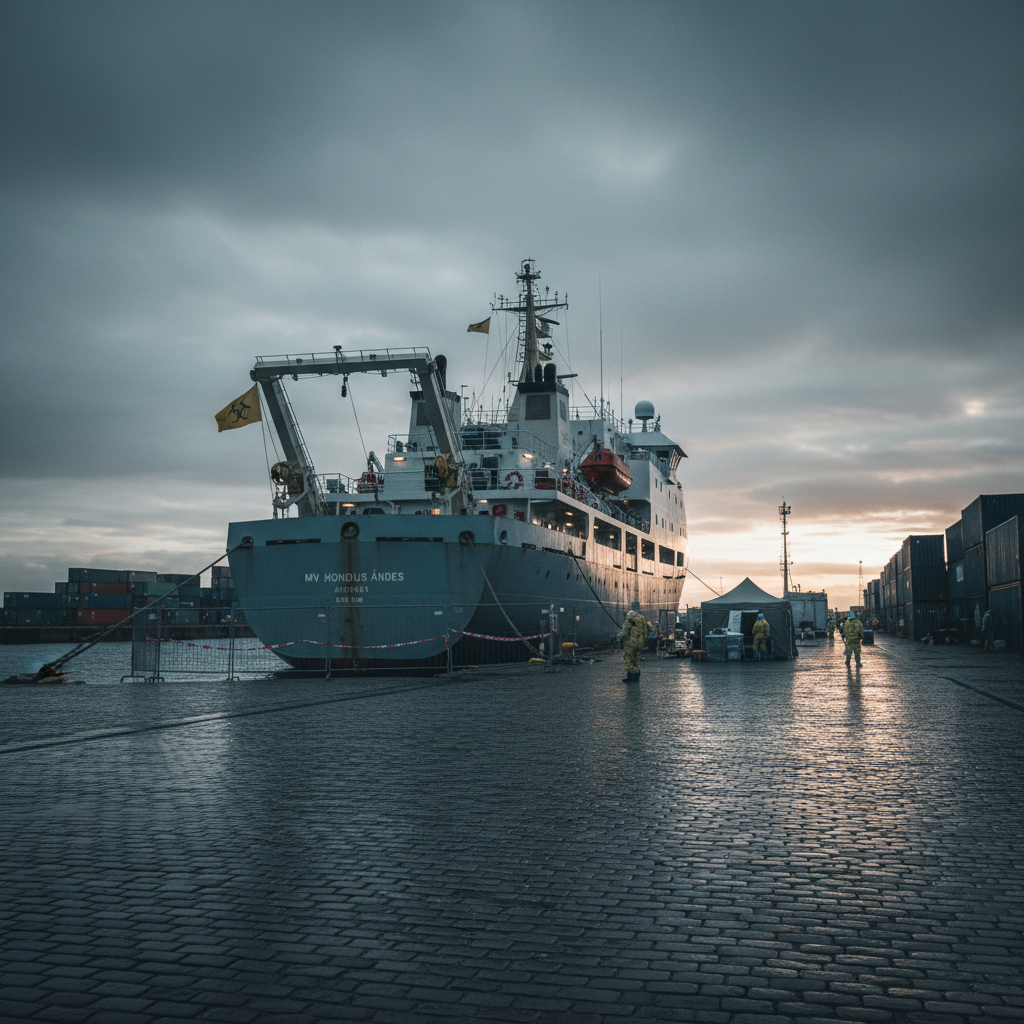
The ongoing hantavirus outbreak aboard the MV Hondius Andes has amplified calls for a reevaluation of international maritime health regulations, with IMO, flag states, and port state controls facing scrutiny over their preparedness and response mechanisms.
International Maritime Organization Faces Pressure
The MV Hondius Andes hantavirus incident, now in its fifth month anchored off Praia, Cape Verde, continues to underscore vulnerabilities in the global maritime health framework. The International Maritime Organization (IMO), the United Nations specialized agency responsible for the safety and security of shipping and the prevention of marine and atmospheric pollution by ships, finds itself under increasing pressure to review existing regulations and guidelines concerning infectious disease outbreaks at sea. Critics argue that while the International Health Regulations (IHR) of the World Health Organization (WHO) provide overarching public health guidelines, their specific application and enforcement within the complex maritime ecosystem require more strong and granular protocols.
Flag State Responsibilities Under Scrutiny
The role of the ship's flag state in public health emergencies is a central point of discussion. Under international maritime law, the flag state is primarily responsible for enforcing regulations on vessels registered under its flag, including those related to health and hygiene.In the case of the Hondius Andes, the efficacy of existing flag state oversight regarding infectious disease preparedness, crew training for outbreak response. The implementation of strong sanitation protocols – particularly concerning zoonotic disease vectors – has been questioned. Experts suggest that current flag state audits may not adequately assess a vessel's capacity to manage and contain novel or rare pathogens, leading to potential delays in response and increased risk to passengers and crew. Calls are mounting for flag states to enhance their health inspection regimes and ensure compliance with both IMO and WHO guidelines, especially for vessels engaging in international voyages.
Port State Control: A Critical Junction
Port state control (PSC) mechanisms, which allow coastal states to inspect foreign vessels visiting their ports to ensure compliance with international maritime conventions, have also been brought into sharp focus. While PSC officers primarily check for safety and environmental compliance, their role in public health incidents, particularly during entry denial or extended quarantine scenarios, is becoming increasingly vital.The decision-making process for allowing a potentially infected vessel to berth, disembark passengers, or receive supplies involves a complex interplay of national health regulations, international obligations. Humanitarian considerations. The Hondius Andes situation has highlighted the need for clearer, more standardized port state protocols for managing vessels with active outbreaks, ensuring humanitarian aid can reach those onboard while minimizing transmission risks to the port community. Several port states have recently updated their emergency response frameworks in light of the outbreak, as reported by various maritime news outlets.
Quarantine Protocols at Sea: Evolving Challenges
The extended quarantine of the MV Hondius Andes has presented unprecedented challenges for both the vessel's operators and international health authorities. Traditional maritime quarantine protocols, often designed for shorter durations or more common diseases, have proven difficult to sustain over months. Issues such as the provision of medical care, mental health support for those onboard, waste management, and resupply logistics become immensely complicated.The incident has prompted discussions within international bodies on developing more comprehensive guidelines for prolonged maritime quarantine, including provisions for medical evacuations, phased disembarkation under strict health controls. Detailed communication strategies for passengers and crew. The balance between public health protection and the rights and well-being of individuals in isolation remains a critical ethical and practical dilemma.
Toward a More Resilient Maritime Health Framework
Stakeholders across the maritime and public health sectors are calling for a multi-faceted approach to bolster the global framework.This includes strengthening the International Maritime Organization's role in coordinating health-related directives, enhancing flag state accountability for infectious disease management, standardizing port state control measures for health emergencies. Developing adaptable quarantine protocols for various outbreak scenarios. The MV Hondius Andes serves as a stark reminder that while global shipping helps trade and travel, it too necessitates strong international cooperation to mitigate transnational health risks.



