Hondius Andes Hantavirus: Insurers Grapple with Unprecedented P&I Claims
As the MV Hondius Andes remains off Praia, focus shifts to the complex legal and financial landscape. Protection & Indemnity clubs face significant exposure from passenger claims and potential operational losses, while force majeure clauses undergo intense scrutiny.
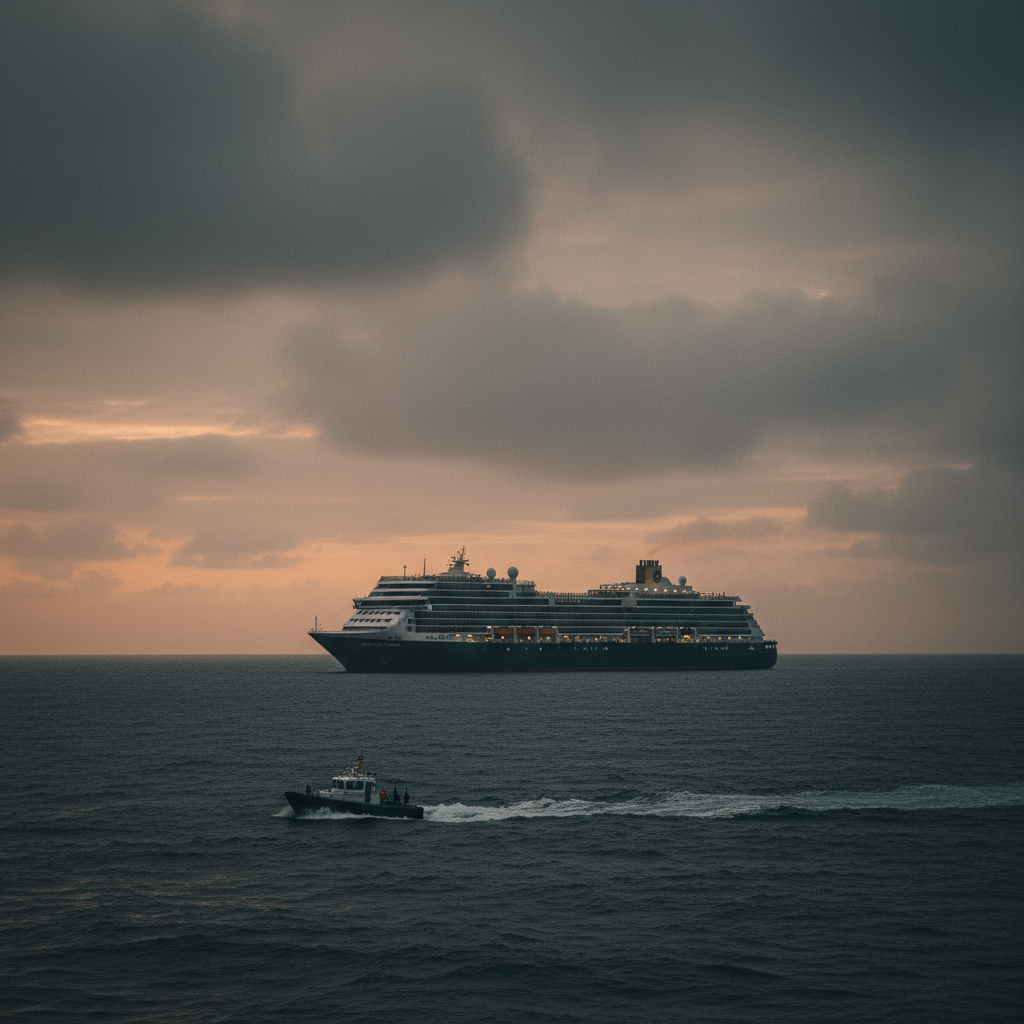
P&I Clubs Face Mounting Liability from Hondius Andes Outbreak
The ongoing hantavirus outbreak aboard the MV Hondius Andes, anchored off Praia, Cape Verde since May 2026, is posing an unprecedented challenge for the maritime insurance sector, particularly Protection & Indemnity (P&I) clubs. These mutual insurance associations, which cover shipowners' third-party liabilities, are now navigating a complex web of claims stemming from passenger illnesses, repatriation costs, and prolonged operational disruption. Industry analysts and maritime legal experts indicate that the scale of potential claims could be substantial. P&I clubs typically cover liabilities such as death, injury, and illness of passengers and crew, as well as quarantine costs. The unique nature of the hantavirus outbreak – an zoonotic disease transmitted by rodents, originating within the ship's confines – introduces novel considerations for causation and liability.
Passenger Claims and Legal Pathways
Passengers affected by the hantavirus, or those whose travel plans and well-being have been severely impacted by the extended quarantine and health crisis, are reportedly exploring various legal avenues. These claims could range from compensation for medical expenses and lost income to damages for pain, suffering, and emotional distress. Legal representation for affected passengers is understood to be consolidating, preparing for what could be a protracted litigation process. Sources within the maritime legal community suggest that claims will likely focus on whether the ship operator exercised due diligence in preventing rodent infestation and ensuring sanitary conditions. Even if direct negligence is not easily proven, strict liability for passenger safety under maritime law could still apply in certain jurisdictions. The financial implications for the P&I club covering the MV Hondius Andes could be considerable, potentially affecting premium levels across the industry in the coming years.
Force Majeure: A Contested Defense?
A critical aspect of the looming legal battles is the interpretation and application of force majeure clauses within passenger contracts and charter agreements. Ship operators frequently invoke force majeure – unforeseen circumstances preventing contractual obligations – to mitigate liability during extraordinary events. But, the exact parameters of what constitutes an excusable event and the extent to which it absolves operators of responsibility are often hotly contested. Legal scholars note that while a novel pathogen outbreak might initially appear to fall under force majeure, the specific circumstances surrounding the Hondius Andes incident will be key.Arguments may center on whether the outbreak was truly 'unforeseeable' given general public health warnings on zoonotic diseases. Critically, whether all reasonable preventive measures were in place. The International Maritime Organization (IMO) has previously issued guidelines regarding public health emergencies, which could be referenced in assessing adherence to best practices. If a force majeure defense is successfully challenged, the ship operator's P&I club would remain liable for a broader spectrum of damages. The outcome of these interpretations could set precedents for future health-related maritime incidents.
Operational Disruption and Business Interruption
Beyond direct passenger claims, the extended anchoring and quarantine of the MV Hondius Andes represent bigly financial losses for the ship operator. These include lost revenue from canceled voyages, ongoing operational costs (crew wages, fuel, provisions), and potential reputational damage. While hull & machinery insurance covers physical damage to the vessel, business interruption losses related to infectious disease outbreaks are often subject to specific policy exclusions or require specialized, often expensive, supplemental coverage. It's not yet released whether the Hondius Andes operator held such specific coverage. The global nature of the maritime industry means that P&I clubs, which operate on a pooled risk model, will be closely monitoring the developments. By contrast, the financial strain on one club could, indirectly, impact the entire system. Regulators and industry bodies are also observing the situation for insights into future policy wordings and risk management strategies for pandemics and emerging infectious diseases in the cruise sector.
Regulatory Scrutiny and Future Implications
The incident has too intensified calls for updated international guidelines on sanitation, pest control, and public health emergency response on cruise vessels. Agencies like the World Health Organization (WHO) and regional bodies such as the ECDC and Africa CDC are understood to be reviewing existing protocols in light of the Hondius Andes event. Any new regulations or strengthened enforcement could further impact future insurance liabilities and the cost of maritime operations. As the MV Hondius Andes situation continues, the insurance sector, maritime legal firms. Global health organizations are all bracing for the long-term ramifications of an outbreak that has underscored the intricate vulnerabilities of the modern cruise industry.



