Hondius Andes Hantavirus: Maritime Regulators Face Scrutiny Amid Quarantine
The ongoing hantavirus outbreak aboard the MV Hondius Andes has amplified calls for a review of international maritime regulations, spotlighting the roles of flag states, port state controls, and at-sea quarantine protocols in infectious disease management.

International Maritime Organization Under Pressure Over Outbreak Response
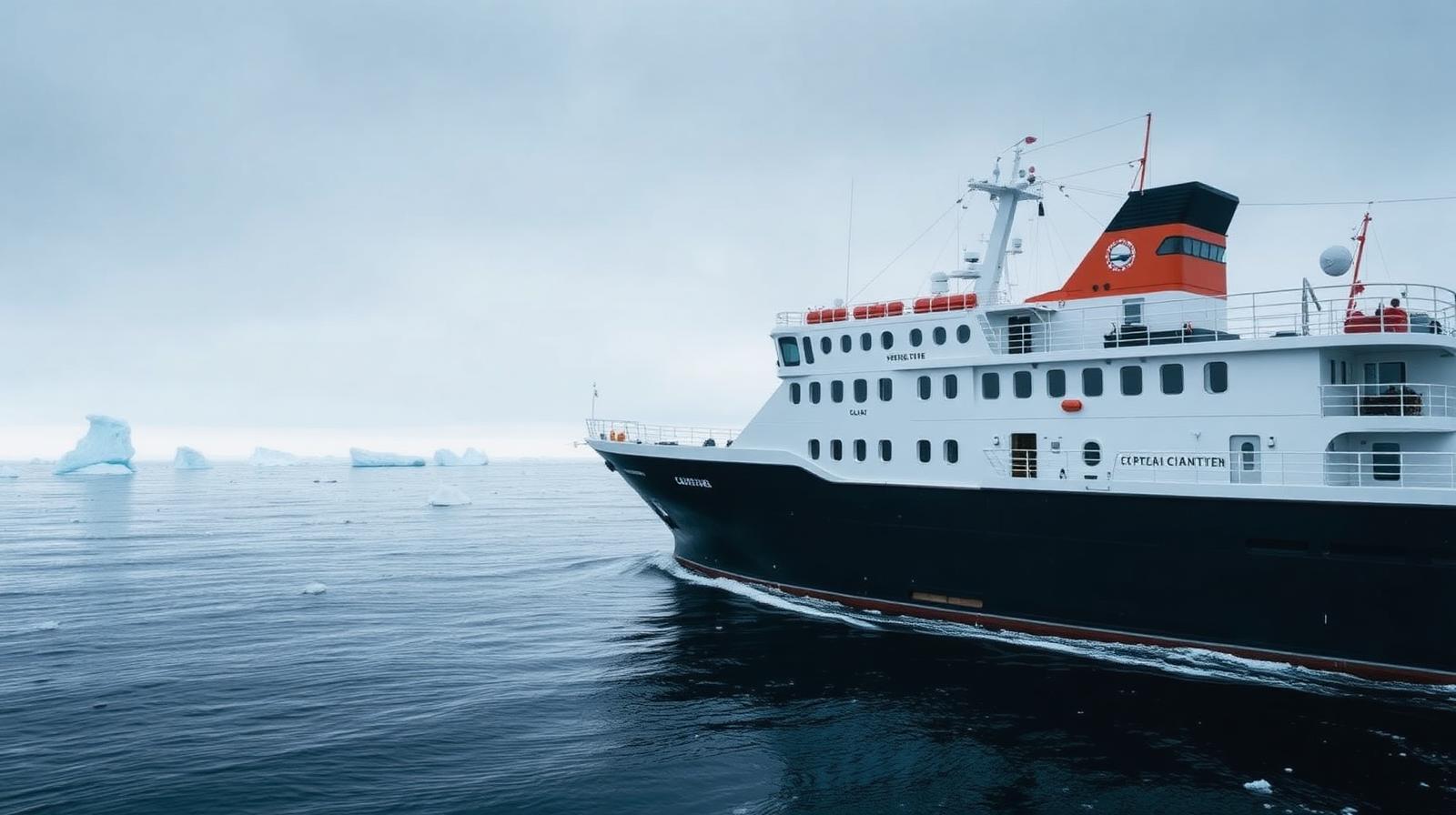
The prolonged quarantine of the MV Hondius Andes, currently anchored off Praia, Cape Verde, following a hantavirus outbreak, has ignited a global discussion among maritime stakeholders on the efficacy and gaps in existing international regulations governing health crises at sea. The incident, which began in May 2026, has brought the roles of the International Maritime Organization (IMO), flag states, and port state control mechanisms into sharp focus.
Flag State Responsibilities Re-evaluated
Under international law, the flag state — the country under whose laws a ship is registered, bears primary responsibility for the vessel's safety, security. Environmental performance, which implicitly includes public health on board. In the context of the Hondius Andes, the actions, or perceived inactions, of its flag state have drawn particular scrutiny. Experts suggest that the incident highlights potential inconsistencies in how different flag states interpret and enforce health protocols, particularly for novel or less common pathogens like hantavirus. The varying capacities and resources among flag states to provide strong oversight and rapid medical support to vessels in distress are now central to discussions. Critics argue that the current framework might not adequately compel flag states to proactively ensure that vessels have comprehensive infectious disease preparedness plans, beyond routine sanitation. The incident has raised questions about whether flag state audits and inspections sufficiently cover the specific challenges posed by airborne or zoonotic diseases in confined maritime environments.
Port State Control: A Critical Junction
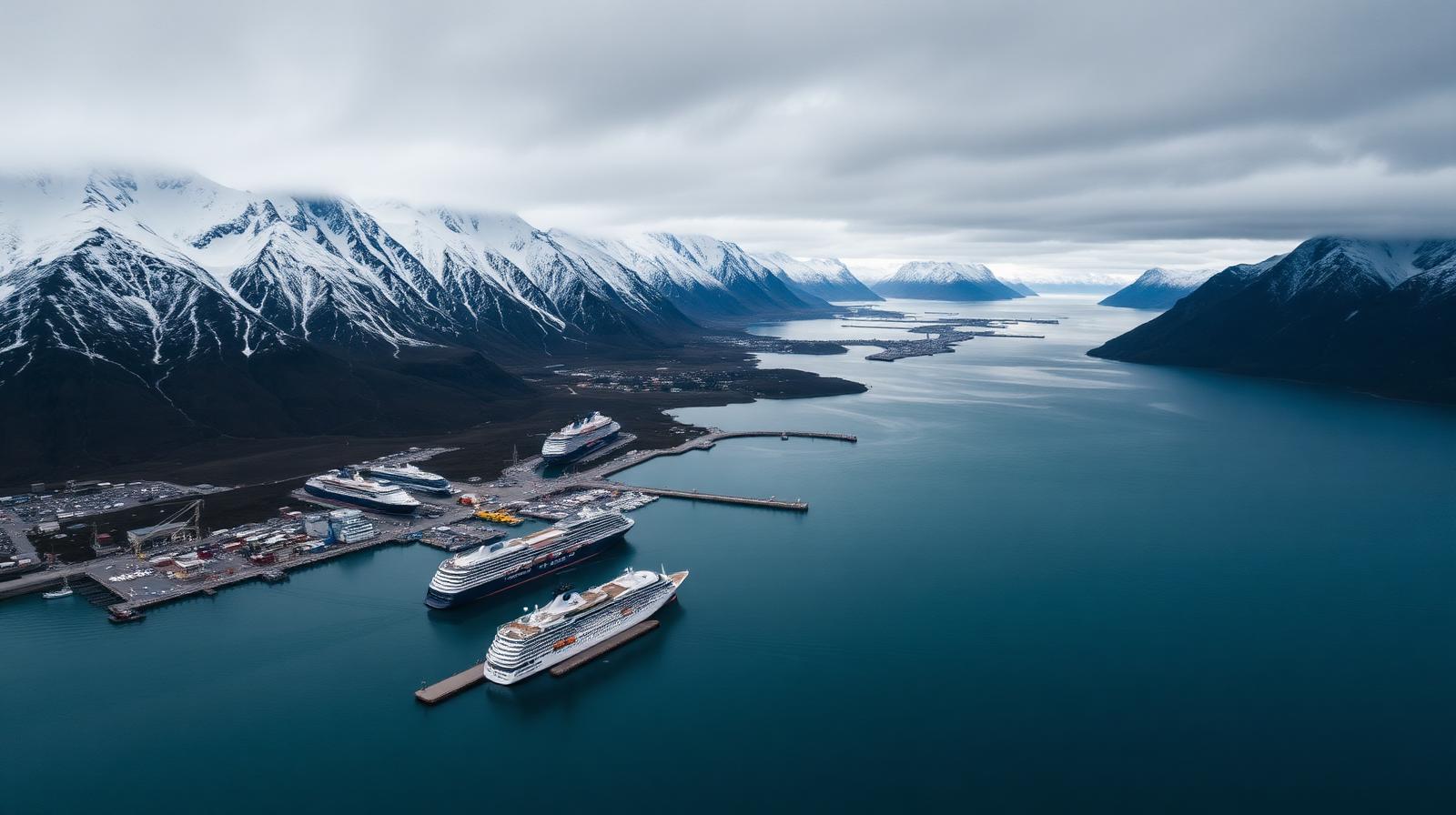
Port state control (PSC) mechanisms, which allow coastal states to inspect foreign vessels visiting their ports to ensure compliance with international rules, have also come under the microscope. While PSC primarily focuses on safety, pollution prevention, and working conditions, it also plays a role in public health surveillance. The Hondius Andes' inability to berth in multiple ports due to the outbreak underscores the immense power and responsibility of port states to protect their populations. But, the incident has revealed limitations. If a vessel is already infected and unable to dock, the ability of port state controls to intervene directly is bigly hampered. The current situation off Cape Verde illustrates a scenario where a port state effectively enforced a 'no-entry' policy, leaving the infected vessel in international waters, subject to the complexities of humanitarian aid and medical evacuations coordinated from afar. This raises questions about the balance between national health security and the humanitarian obligations to those aboard the vessel.
At-Sea Quarantine Protocols and Their Challenges
The concept of at-sea quarantine is not new. The Hondius Andes outbreak has exposed the profound logistical and medical challenges associated with prolonged isolation of a large population on a cruise ship. International Health Regulations (IHR) 2005, overseen by the World Health Organization (WHO), provide a framework for managing public health events that have the potential to cross borders. These regulations include provisions for public health measures related to conveyances and the management of ill travelers. Though, implementing these regulations on a large cruise ship with limited medical facilities and a constantly circulating population presents unique difficulties. The provision of adequate medical care, testing capabilities, psychological support for quarantined individuals, and the safe disposal of medical waste all become magnified challenges.And, the coordination between the ship's medical team, the flag state, the port state (even if unwilling to berth the ship). International health organizations like WHO or Africa CDC requires seamless communication and pre-established protocols that may not always be strong enough for an evolving outbreak scenario.
Calls for Enhanced IMO Guidelines
Stakeholders, including maritime unions, passenger rights groups. Public health experts, are advocating for the IMO to review and potentially strengthen its guidelines regarding infectious disease management on ships. Specific proposals include:
- Mandatory Disease Preparedness Plans: Requiring vessels, especially passenger ships, to develop and regularly drill comprehensive plans for responding to infectious disease outbreaks, tailored to various pathogen types. * Standardized Health Declarations: Improving the accuracy and timeliness of health declarations from ships to port authorities. * Enhanced Crew Training: Increasing training for crew members on infection prevention and control, rapid identification of symptoms, and isolation protocols. * Clearer Roles and Responsibilities: Developing more explicit guidelines on the division of responsibilities between flag states, port states, and ship operators during an at-sea quarantine. * International Coordination Mechanisms: Establishing more strong international coordination platforms for sharing information and resources during cross-border maritime health emergencies. As of late August 2026, the MV Hondius Andes remains under quarantine, its passengers and crew awaiting resolution. The incident continues to serve as a stark reminder of the interconnectedness of global health and maritime transport, propelling urgent discussions on regulatory improvements to prevent and manage similar crises in the future.