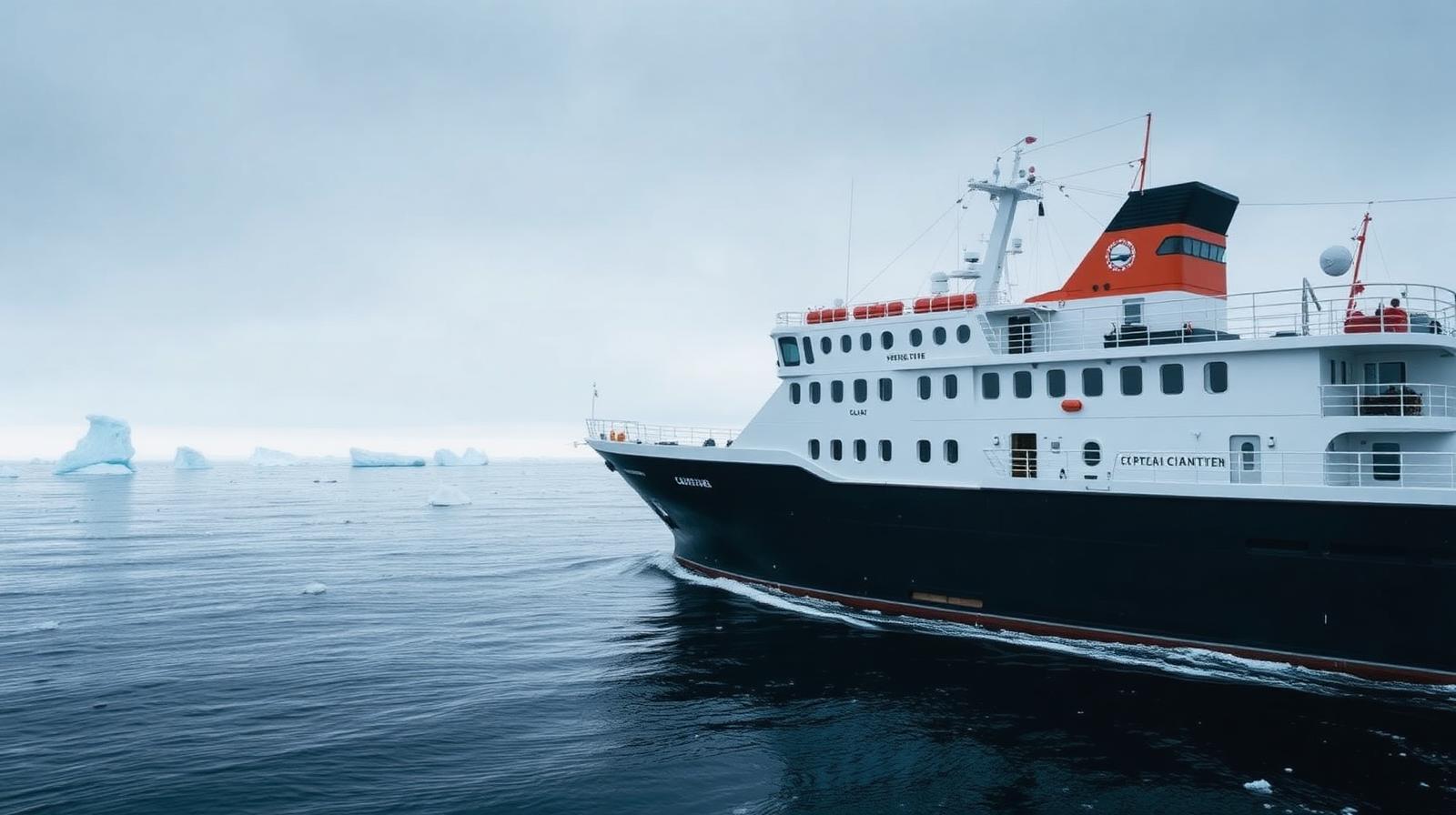
Hondius Andes Hantavirus Outbreak: A Comparative Historical Analysis
The ongoing MV Hondius Andes hantavirus event draws stark comparisons to past outbreaks, revealing both persistent challenges and evolving response strategies in managing zoonotic disease transmission.

Hondius Andes: Echoes of Past Hantavirus Crises
The MV Hondius Andes hantavirus outbreak, unfolding since May 2026 off Praia, Cape Verde, has prompted epidemiologists and public health officials to revisit historical hantavirus pulmonary syndrome (HPS) events.Comparisons are being drawn particularly to the 1993 Four Corners outbreak in the United States, the 1996 Pampa de Olaen cluster in Argentina. Several subsequent clusters in Chile, highlighting both commonalities and critical distinctions in disease transmission, public health response, and global preparedness.
The Four Corners Outbreak (1993): A Wake-Up Call
The 1993 HPS outbreak, initially identified in the Four Corners region of the Southwestern United States, marked the first recognition of HPS in North America. This event was characterized by a novel hantavirus, later named Sin Nombre virus (SNV), causing severe respiratory illness with high fatality rates. Transmission was unequivocally linked to inhalation of aerosolized rodent excreta, specifically from deer mice ( Peromyscus maniculatus ). Key parallels with the Hondius Andes incident include the sudden emergence of a severe, previously unrecognized respiratory disease and the critical need for rapid diagnostic development. Yet, the Four Corners outbreak was primarily rural, affecting indigenous communities and individuals with occupational or residential exposure to wild rodents. The MV Hondius Andes, by contrast, presents a maritime context, raising questions on potential vectors and transmission pathways within a confined, artificial environment. While specific rodent species on board the Hondius Andes are under investigation, the principle of rodent-to-human transmission remains central to both events.
Argentina (1996) and Chile Clusters: Andes Virus and Human-to-Human Transmission
Later in the 1990s, Argentina and Chile experienced bigly HPS outbreaks linked to the Andes virus (ANDV). The 1996 Pampa de Olaen cluster in Argentina, and subsequent clusters primarily in Patagonia, were particularly notable for demonstrating a feature not definitively observed with SNV: human-to-human transmission. This was a shift in understanding hantavirus epidemiology, introducing an additional layer of complexity for containment and public health interventions. The implications for the MV Hondius Andes are profound. While the predominant mode of hantavirus transmission remains zoonotic (rodent-to-human), the potential for human-to-human spread, particularly in an enclosed and densely populated setting like a cruise ship, presents an amplified risk. Public health advisories from global bodies, as of August 2026, continue to emphasize strict infection control protocols aboard the Hondius Andes, including isolation of symptomatic individuals and rigorous contact tracing, measures directly influenced by lessons learned from the ANDV outbreaks.
Response Strategies: Evolution and Challenges
Across these historical outbreaks, the cornerstones of public health response have included aggressive case finding, laboratory diagnostics, environmental remediation (rodent control), and public awareness campaigns. Yet, the Hondius Andes situation introduces unique logistical challenges. In the 1990s, surveillance was localized, and international travel health guidelines were less developed for emerging zoonoses.Today, the immediate international implications of a cruise ship outbreak, with passengers and crew from multiple nations, necessitate coordinated efforts between national health authorities, the World Health Organization (WHO). Maritime organizations like the International Maritime Organization (IMO). The global response to the Hondius Andes outbreak reflects decades of refinement in international health regulations and collaborative epidemiology. Environmental control on a cruise ship, while different from a rural dwelling, still centers on identifying and eliminating rodent reservoirs. The containment of the Hondius Andes off Praia, Cape Verde, allows for a controlled environment for these interventions, contrasting with the diffuse challenges of rodent control across vast geographical regions during land-based outbreaks.
Future Preparedness
Each hantavirus outbreak, from the Four Corners to the Hondius Andes, underscores the unpredictable nature of zoonotic spillovers.The MV Hondius Andes event serves as a potent reminder that global travel and the interface between human activity and wildlife, even in unexpected settings, demand continuous vigilance, adaptable public health infrastructure. Swift international cooperation to mitigate emerging infectious disease threats.