Hondius Andes Hantavirus Outbreak: A Comparative Historical Perspective
The ongoing hantavirus event aboard the MV Hondius Andes draws parallels and stark differences with past outbreaks, prompting expert review of lessons learned from Four Corners, Argentina, and Chile.

MV Hondius Andes: Echoes of Past Hantavirus Events
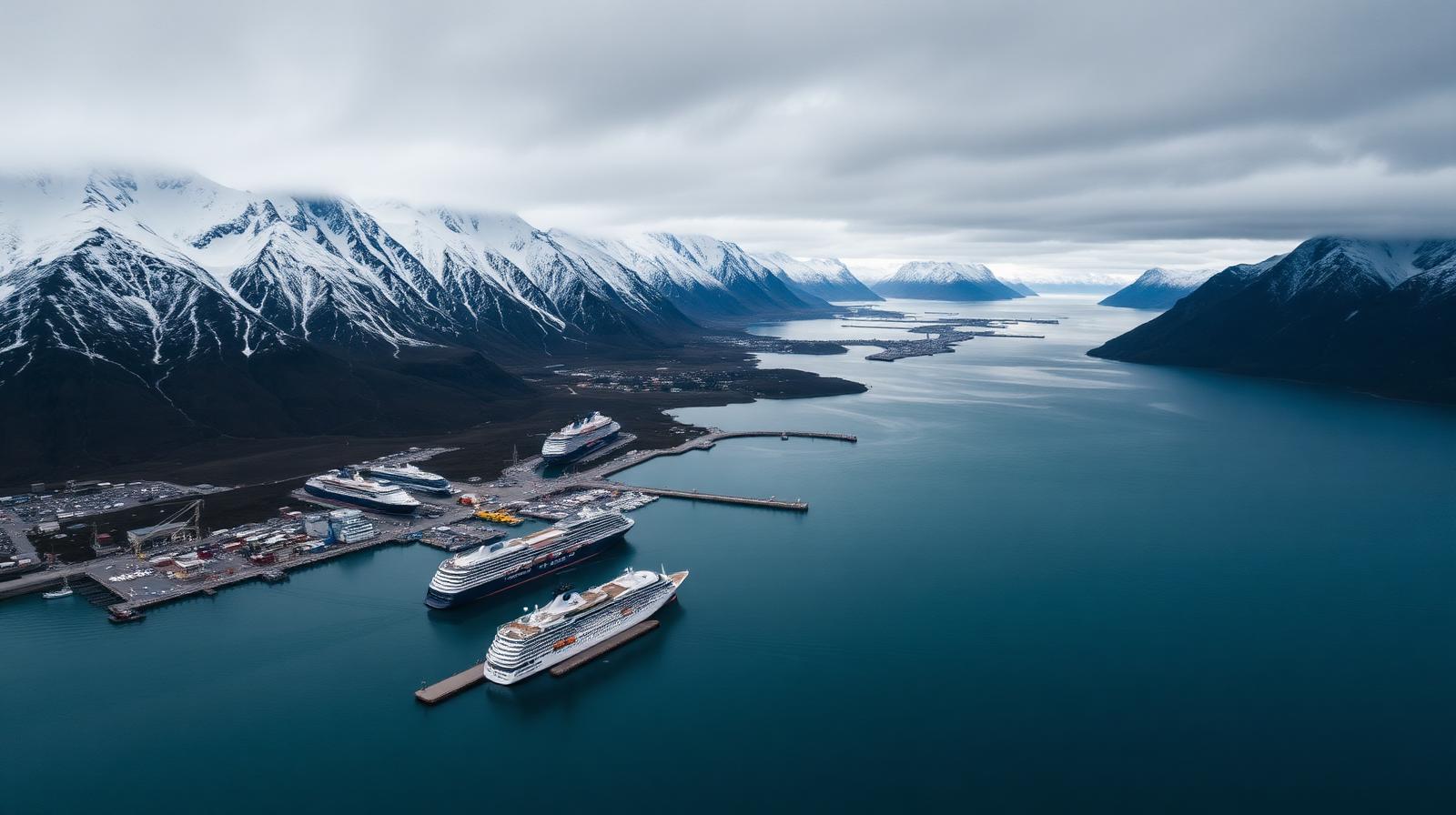
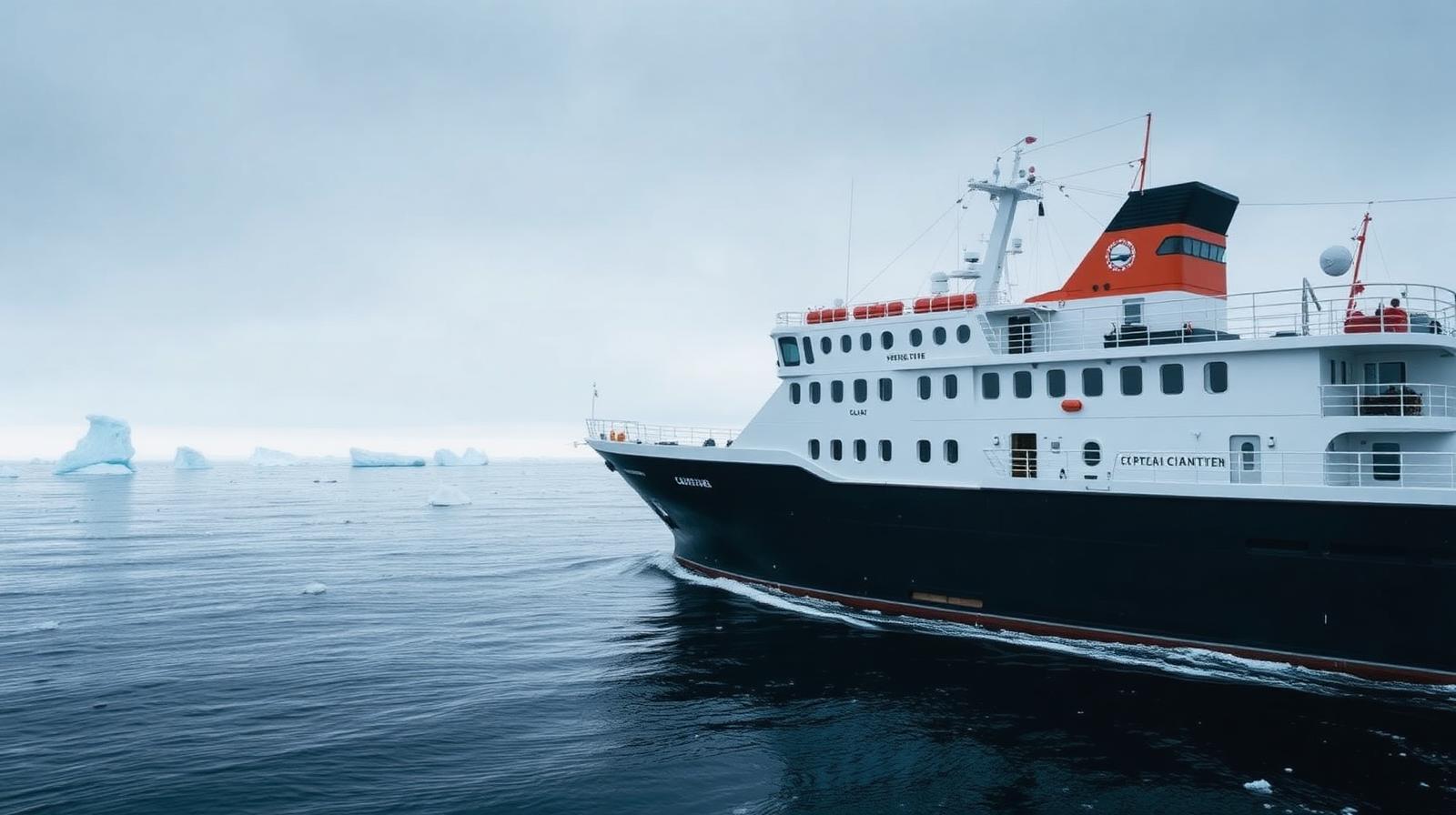
The hantavirus outbreak identified on the MV Hondius Andes, currently anchored off Praia, Cape Verde, has inevitably led to comparisons with bigly historical hantavirus pulmonary syndrome (HPS) events.While each outbreak presents unique epidemiological characteristics, experts are examining historical data from the 1993 Four Corners outbreak in the United States, the 1996 Puumala virus outbreak in Argentina. Subsequent clusters in Chile to inform response and understanding.
The Four Corners Outbreak (1993): The Dawn of HPS Awareness
The 1993 Four Corners outbreak, primarily affecting the Navajo Nation and encompassing parts of Arizona, New Mexico, Colorado, and Utah, marked the first recognition of HPS in the Americas. Before this event, hantaviruses were primarily associated with hemorrhagic fever with renal syndrome (HFRS) in Asia and Europe. The Sin Nombre virus (SNV), carried by the deer mouse (Peromyscus maniculatus), was identified as the causative agent. This outbreak was characterized by a high case-fatality rate and a strong association with rodent exposure, particularly in rural settings. The US Centers for Disease Control and Prevention (US CDC) played a pivotal role in identifying the pathogen and establishing public health guidelines for prevention and control. The Four Corners event underscored the importance of rodent control and environmental hygiene in preventing hantavirus transmission.
Argentina (1996) and Chile: The Emergence of Person-to-Person Transmission
While the Four Corners outbreak established rodent-to-human transmission as the primary mode, subsequent outbreaks in South America introduced a critical new dimension: person-to-person transmission. The 1996 outbreak in El Bolsón, Patagonia, Argentina, caused by the Andes virus (ANDV), explicitly showd human-to-human spread, particularly within close contact settings such as families and healthcare environments. This finding bigly altered public health approaches, necessitating stringent infection control measures and contact tracing in addition to rodent control. Similar clusters identified in Chile also confirmed this mode of transmission, notably linked to specific types of close contact. The Andes virus generally presents with a clinical picture similar to SNV, but its unique transmission pathway makes containment more challenging.
Contrasts and Similarities with the MV Hondius Andes Event
The MV Hondius Andes situation presents both stark contrasts and critical similarities to these historical benchmarks. Unlike the terrestrial, rural settings of Four Corners, Argentina, and Chile, the current outbreak is confined to a maritime environment. This unique setting dictates different challenges for rodent control and environmental decontamination. Though, the potential for person-to-person transmission, particularly in the close quarters of a cruise ship, aligns more closely with the South American ANDV outbreaks than the SNV events. Public health agencies, including the World Health Organization (WHO) and Africa Centres for Disease Control and Prevention (Africa CDC), are emphasizing strong infection prevention and control protocols on board the Hondius Andes. The initial investigation focuses on identifying the hantavirus strain to understand its specific transmission dynamics.If the causative agent is capable of person-to-person spread, the implications for passenger and crew isolation, contact tracing. Potential future travel restrictions are substantial, echoing the lessons from Argentina and Chile. The swift establishment of a quarantine perimeter around the vessel and the deployment of international medical teams reflect a global public health infrastructure more prepared now than during the nascent days of HPS recognition in 1993. But, the novelty of a hantavirus outbreak in a large maritime vessel continues to test adaptable response strategies, drawing upon historical knowledge while forging new protocols for a confined, mobile population.
Forward Outlook
As public health officials continue to investigate the MV Hondius Andes event, the historical context of previous hantavirus outbreaks remains a vital tool. Understanding the differences in viral strains, transmission modes, and environmental factors allows for a more targeted and effective public health response. The ongoing situation underscores the dynamic nature of emerging infectious diseases and the continuous need to learn from past experiences to mitigate future risks.