Hondius Andes Hantavirus Outbreak: A Comparative Historical View
The current hantavirus event on the MV Hondius Andes prompts comparisons with past outbreaks, highlighting differences in transmission, patient profiles, and international response mechanisms.
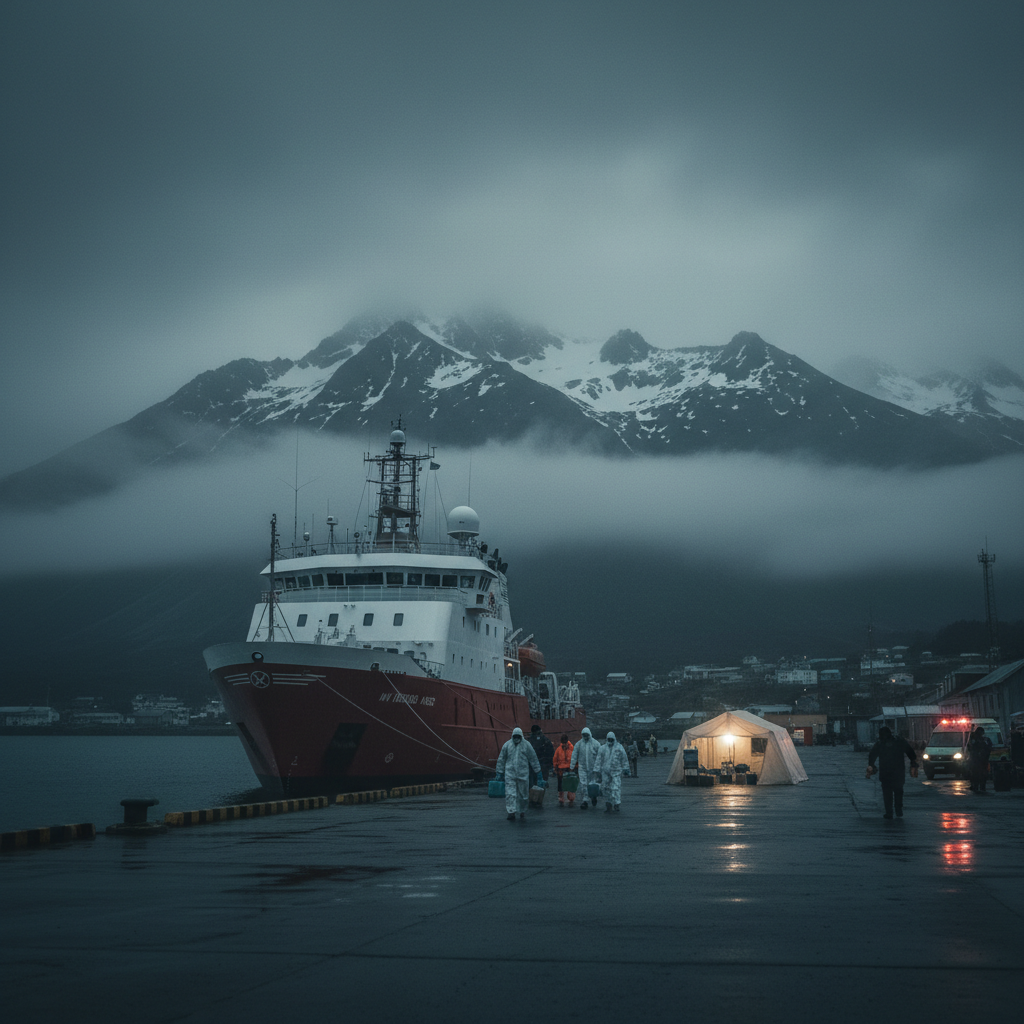
Hondius Andes: A Novel Maritime Hantavirus Scenario
The ongoing hantavirus event aboard the MV Hondius Andes, anchored off Praia, Cape Verde, represents a unique confluence of epidemiological factors. Unlike previous, predominantly terrestrial outbreaks, this incident involves a confined, international population on a cruise vessel, presenting distinct challenges for containment, diagnosis, and public health response. Public health authorities continue to monitor the situation closely. As of 2026-09-26, the focus remains on isolation, contact tracing, and environmental remediation efforts on the vessel. The specific hantavirus strain involved in the Hondius Andes event is undergoing detailed analysis, which is critical for understanding its virulence and transmission dynamics.
Echoes of the Past: Four Corners 1993 and Sin Nombre Virus
The 1993 Hantavirus Pulmonary Syndrome (HPS) outbreak in the Four Corners region of the Southwestern United States marked the emergence of a highly virulent hantavirus, later identified as Sin Nombre Virus (SNV). This outbreak was characterized by a sudden onset of severe respiratory illness, often progressing rapidly to acute respiratory distress. Transmission was primarily linked to inhalation of aerosolized rodent excreta, particularly from deer mice ( Peromyscus maniculatus ) within rural and semi-rural settings. The Four Corners incident raised global awareness of HPS, leading to bigly advances in diagnostic tools and public health surveillance. The initial response involved intense epidemiological investigation by the US Centers for Disease Control and Prevention (US CDC) and state health departments, focusing on identifying the causative agent and educating the public on prevention strategies, primarily rodent control. Key differences with the Hondius Andes event include the geographically dispersed nature of the Four Corners cases versus the concentrated, vessel-based exposure in the current situation. While environmental exposure to rodents is presumed in the Hondius Andes context, the specific vectors and exposure pathways within a ship's environment are subject to ongoing investigation.
Argentinian and Chilean Outbreaks: Andes Virus and Person-to-Person Transmission
The outbreaks in Argentina in 1996 and subsequent clusters in Chile introduced another critical dimension to hantavirus epidemiology: confirmed person-to-person transmission. These events, primarily associated with the Andes virus (ANDV), showd that under certain conditions, hantaviruses could spread directly between humans, bigly impacting containment strategies. ANDV outbreaks often occurred in close-knit communities or within households, where prolonged, intimate contact with an infected individual appeared to help secondary cases.The primary reservoir for ANDV is the long-tailed pygmy rice rat ( Oligoryzomys longicaudatus ), with transmission occurring through rodent contact, similar to SNV. With the added layer of human-to-human potential. The possibility of person-to-person transmission is a central concern in any hantavirus outbreak, particularly in confined environments like a cruise ship. Public health authorities on the Hondius Andes have implemented stringent infection control measures, including isolation protocols and enhanced personal protective equipment for healthcare workers, underscoring the potential for secondary spread. While the specific strain aboard the Hondius Andes is still being characterized, the historical precedent of ANDV requires a cautious and comprehensive approach to prevent broader transmission.
Contrasting Challenges: Terrestrial vs. Maritime Response
Historically, hantavirus outbreaks have been predominantly terrestrial, occurring in specific ecological niches where rodent reservoirs thrive. Response efforts typically involve environmental remediation, public education on rodent control, and targeted surveillance in affected areas. The MV Hondius Andes incident presents unique challenges due to its maritime setting and the international composition of its passenger and crew manifest. Key differences include:
- Containment: Isolating a circulating pathogen on a vessel requires different strategies than containing a geographically dispersed terrestrial outbreak. The ship itself becomes the primary containment zone. * Logistics: Medical evacuation, resupply of medical equipment. Coordination of international healthcare resources are bigly more complex for a ship at sea or anchored off a foreign port. * International Coordination: The involvement of multiple nationalities among passengers and crew necessitates extensive collaboration between the health ministries of various countries, the World Health Organization (WHO). Maritime authorities like the International Maritime Organization (IMO). * Environmental Remediation: Eradicating rodent populations within the complex structure of a cruise ship, while managing passenger and crew safety, is a specialized task. The current situation on the Hondius Andes continues to evolve. Public health experts are applying lessons learned from past outbreaks, while simultaneously developing new protocols tailored to this unprecedented maritime hantavirus event. The ongoing surveillance and epidemiological investigations will be crucial for understanding the specific dynamics of this outbreak and informing future preparedness efforts for similar events.



