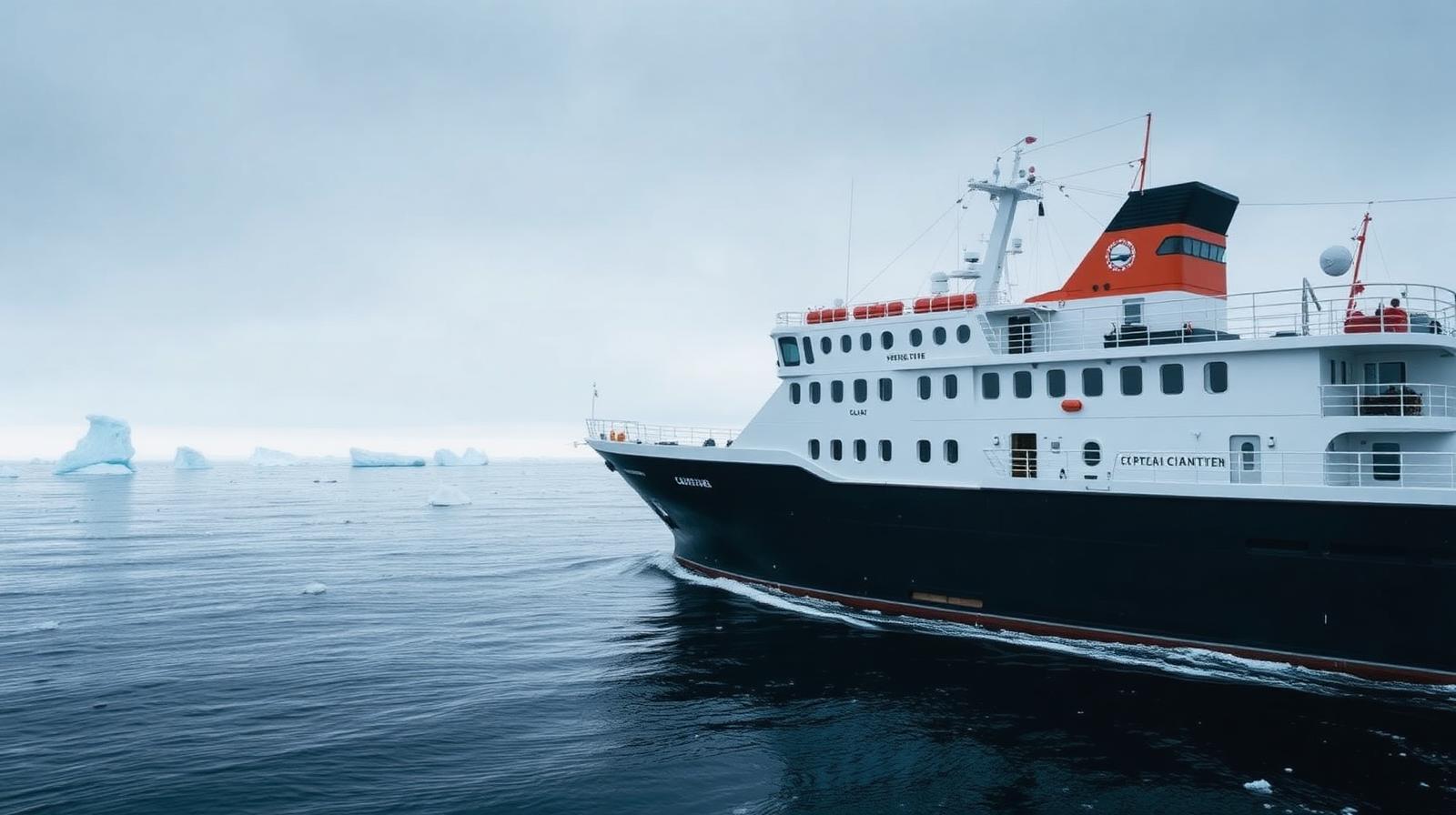
Hondius Andes Hantavirus Outbreak: A Comparative Look at Past Epidemics
As the MV Hondius Andes remains anchored, health officials are drawing parallels and distinctions between the current hantavirus event and historical outbreaks in the Americas, focusing on transmission and containment strategies.
Understanding the Current Situation
The ongoing hantavirus outbreak originating from the MV Hondius Andes, now anchored off Praia, Cape Verde, has prompted an examination of historical hantavirus pulmonary syndrome (HPS) and Andes virus epidemics. While specific details of the current event—such as the exact number of confirmed cases or fatalities—are not yet fully released by involved health authorities, the situation presents a unique confluence of maritime confined spaces and the potential for person-to-person transmission, a feature less common in some historical outbreaks. Preliminary reports suggest the involvement of a hantavirus strain, with ongoing genomic sequencing expected to clarify its exact lineage and potential resemblances to known Andes virus variants.The focus remains on isolating affected individuals, monitoring close contacts. Implementing rigorous disinfection protocols aboard the vessel, as confirmed by statements from the World Health Organization (WHO) and local health ministries cooperating in the response.
The Four Corners Outbreak (1993)
The 1993 Hantavirus Pulmonary Syndrome (HPS) outbreak in the Four Corners region of the Southwestern United States marked the first recognition of HPS in North America. This event was characterized primarily by sporadic cases, often tied to environmental exposure in rural settings where deer mice (Peromyscus maniculatus), the primary reservoir, were abundant. Transmission was overwhelmingly zoonotic, occurring through inhalation of aerosolized virus from rodent droppings, urine, or saliva. Person-to-person transmission was not a bigly feature of this outbreak, and epidemiological investigations traced cases back to environmental exposures, typically in homes or workplaces infested with rodents. The CDC, in its initial response, focused heavily on public education regarding rodent control and safe cleanup practices.
Argentina's Outbreaks (1996 onwards)
In contrast to the Four Corners event, hantavirus outbreaks in Argentina, particularly the prominent cluster in El Bolsón in 1996, presented a critical difference: documented person-to-person transmission of Andes virus (ANDV). This characteristic sets ANDV apart from other hantaviruses causing HPS in the Americas. The El Bolsón outbreak, and subsequent clusters, showd that close contact with an infected individual, especially during the advanced stages of the disease, could lead to secondary infections. This heightened the public health concern, requiring more stringent infection control measures, including isolation of patients and contact tracing, which are now standard protocols in ANDV-affected regions.
Chilean Clusters (On-going)
Chile has too experienced recurrent hantavirus outbreaks, primarily involving the Andes virus. Similar to Argentina, Chilean health authorities have consistently reported and confirmed instances of person-to-person transmission, particularly within close family contacts or healthcare settings when proper precautions are not taken.Epidemiological analyses in Chile often highlight the dual risk: environmental rodent exposure remains the predominant mode. The potential for subsequent human-to-human spread necessitates a comprehensive public health approach. These outbreaks often show seasonal patterns, linked to increased rodent activity or human outdoor recreational activities in forested areas.
Lessons for the MV Hondius Andes
The MV Hondius Andes situation introduces the added complexity of a contained environment, where the potential for person-to-person transmission, if the circulating strain is indeed an Andes-like virus, could be amplified. The proximity of individuals aboard the vessel, combined with shared ventilation systems, could help spread if the virus indeed possesses this capability. Global health agencies are using lessons from both the Four Corners model of zoonotic control and the Argentine/Chilean experience with human-to-human transmission. Key aspects of the current response, as understood from public statements, include:
- Isolation protocols: Strict isolation of all suspected and confirmed cases to curb further spread. * Contact tracing: Identifying and monitoring all individuals who had close contact with infected persons on board. * Environmental disinfection: Thorough cleaning and disinfection of the vessel to eliminate any potential environmental reservoirs. Direct rodent presence on a cruise ship is less likely to be the primary ongoing source of transmission once at sea compared to a terrestrial outbreak. * Personal protective equipment (PPE): Emphasizing the correct use of PPE for healthcare workers and responders. * Public health communication: Transparent and timely communication with the public and affected individuals, as managed by the WHO and national health bodies. The unique challenges of a maritime outbreak require an integrated approach that merges traditional infectious disease control with maritime health regulations. Behind the scenes: the detailed genetic analysis of the virus strain involved will be crucial in understanding its potential for human-to-human spread and refining future containment strategies in similar contexts. As of May 13, 2026, investigations are ongoing, and definitive conclusions on the specific strain and its transmission dynamics aboard the MV Hondius Andes are pending official release.