Hondius Andes Hantavirus Outbreak: Comparing Severity to Historical Clusters
As the MV Hondius Andes remains anchored, health authorities are scrutinizing the hantavirus event through the lens of past outbreaks, notably Four Corners 1993, Argentina 1996, and Chilean clusters, seeking insights into transmission and response.

Hondius Andes: A Novel Context for an Old Threat
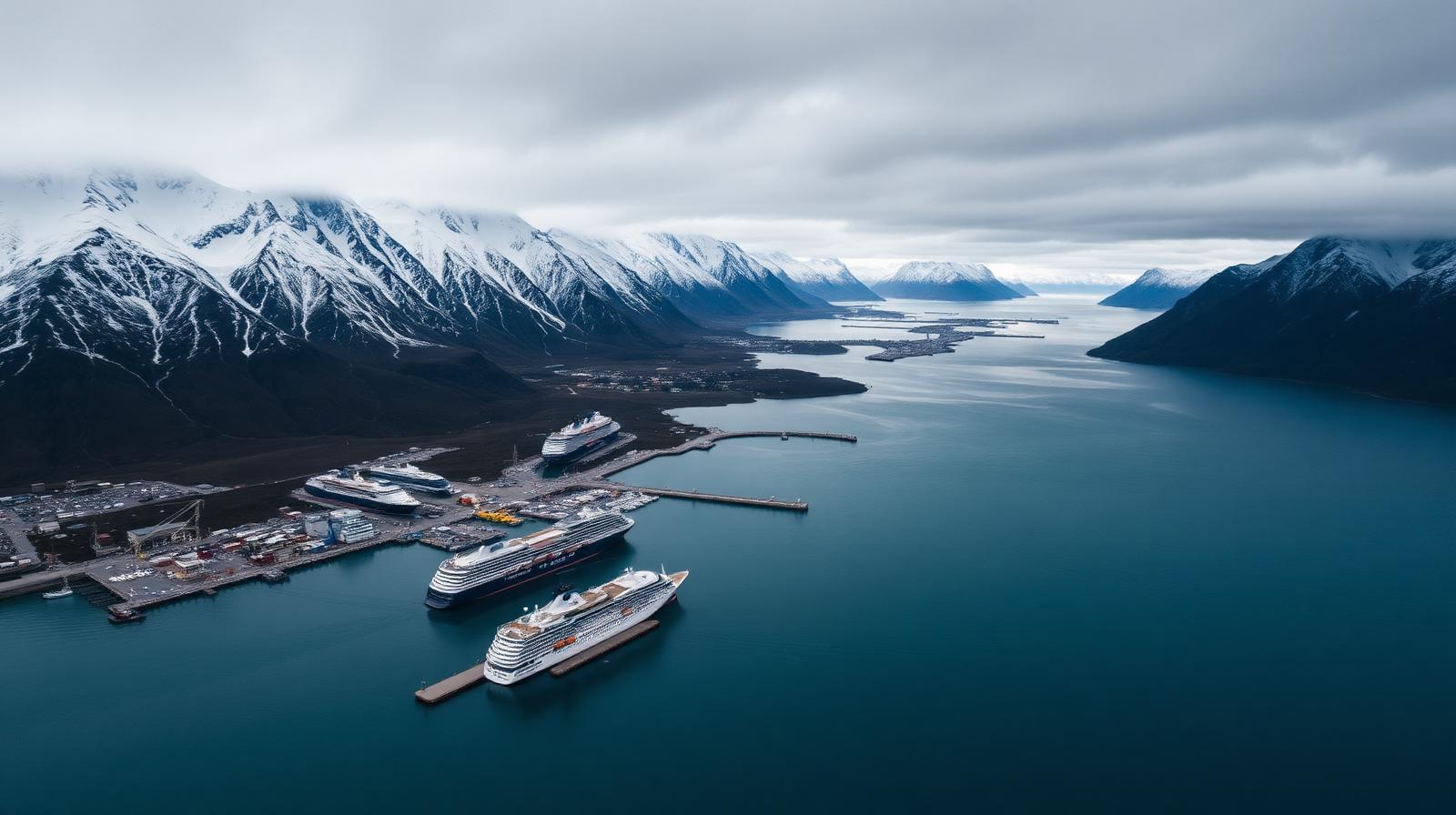
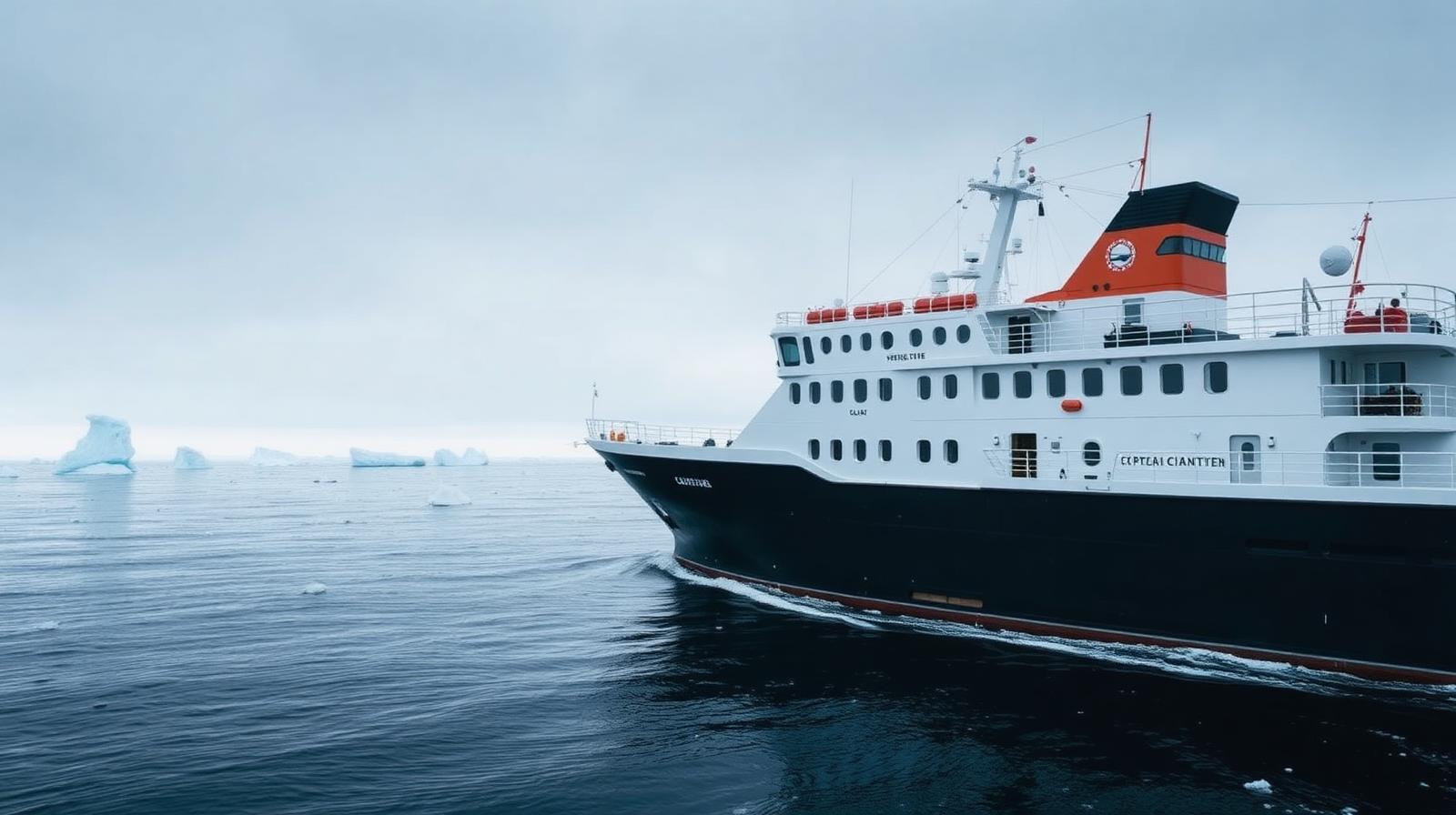
The ongoing hantavirus event aboard the MV Hondius Andes, anchored off Praia, Cape Verde, continues to challenge international public health and maritime authorities. While hantaviruses are not new to human populations, the unique maritime setting of this outbreak provides a novel context for comparison against historical, predominantly terrestrial, clusters.Experts are drawing parallels and identifying divergences with well-documented events such as the 1993 Four Corners outbreak in the United States, the 1996 Puumala virus cluster in Argentina. Recurring outbreaks in Chile.
Echoes of Four Corners 1993
The 1993 Four Corners outbreak of Sin Nombre virus (SNV) in the southwestern United States brought hantavirus pulmonary syndrome (HPS) to international attention. Characterized by a high case fatality rate and rapid disease progression, the Four Corners event highlighted the dangers of zoonotic transmission from rodents, specifically the deer mouse (Peromyscus maniculatus). The initial mystery surrounding the respiratory illness, its sudden onset, and severe outcomes created bigly public health concern. Similar to the Hondius Andes situation, the 1993 outbreak necessitated intensive epidemiological investigation to identify the causative agent and mode of transmission. In both instances, public health advisories focused on environmental control and avoiding contact with rodent excretions. Though, the confined, isolated environment of a cruise ship presents distinct challenges for containment and disinfection not typically found in rural terrestrial outbreaks.
Argentinian and Chilean Parallels: Person-to-Person Transmission Concerns
Later outbreaks, particularly those involving the Andes virus (ANDV) in Argentina in 1996 and subsequent clusters in Chile, introduced a critical new dimension: documented person-to-person transmission. While HPS is generally understood to be acquired through inhalation of aerosolized rodent excreta, ANDV proved capable of direct human-to-human spread, primarily through close contact with infected individuals and their bodily fluids. This characteristic dramatically complicates outbreak management, requiring strict isolation protocols for cases and strong contact tracing for exposed individuals. The MV Hondius Andes outbreak has, as of 2026-10-19, not officially confirmed human-to-human transmission of the specific hantavirus strain detected. But, the possibility remains a primary concern for the World Health Organization (WHO) and the US Centers for Disease Control and Prevention (US CDC) teams on site. The close quarters aboard a vessel amplify the risk of respiratory pathogen spread, whether zoonotic or human-mediated, making the lessons from ANDV outbreaks particularly pertinent for the ship's remaining occupants and response teams. In practice, the necessity for advanced personal protective equipment (PPE) and strict infection control measures seen in ANDV responses is directly applicable here.
Response and Containment Challenges
The logistical challenges of managing a disease outbreak on an isolated vessel like the MV Hondius Andes stand in stark contrast to land-based responses. In 1993, public health efforts in the Four Corners region focused on widespread community education, environmental clean-up initiatives, and rapid diagnostic testing across multiple states. Argentinian and Chilean responses to ANDV outbreaks involved establishing dedicated isolation facilities and implementing stringent public health surveillance systems within affected communities. For the Hondius Andes, the response is complicated by international maritime law, the need for safe disembarkation procedures, and the intricacies of sanitizing a complex vessel. Disinfection protocols must address potential rodent harborage areas within the ship's structure, a task far more complex than fumigating a single dwelling. The extended isolation period for passengers and crew underscores the severity and the ongoing investigation into the specific hantavirus strain and its epidemiological characteristics. Maritime health organizations, including the International Maritime Organization (IMO), are monitoring the situation closely for precedents in international health regulations.
Epidemiological Insights and Future Preparedness
Comparing the MV Hondius Andes event to these historical outbreaks provides crucial epidemiological insights. The incubation period, symptom presentation, and disease severity in the current outbreak are being carefully documented and analyzed against historical data. Early, accurate diagnostics remain paramount, as do strong contact tracing mechanisms – even in the absence of confirmed human-to-human transmission, as a precautionary measure. Ultimately, each hantavirus outbreak presents unique challenges, yet lessons from past events are invaluable.The Hondius Andes situation reinforces the need for global surveillance, rapid international collaboration. Adaptable public health strategies, especially as human activity increasingly brings us into contact with zoonotic pathogens in novel environments.
Sources
- World Health Organization: "Hantavirus pulmonary syndrome (HPS)" https://www.who.int/
- U.S. Centers for Disease Control and Prevention: "Hantavirus" https://www.cdc.gov/
- European Centre for Disease Prevention and Control: "Hantavirus infection" https://www.ecdc.europa.eu/
- Africa Centres for Disease Control and Prevention: https://africacdc.org/
- International Maritime Organization: https://www.imo.org/
- Reuters: https://www.reuters.com/
- Associated Press: https://apnews.com/
- BBC News: https://www.bbc.com/news