Hondius Andes Hantavirus Outbreak: Insurance Clubs Face Mounting Liability Claims
The MV Hondius Andes hantavirus outbreak off Praia, Cape Verde, is triggering complex insurance and liability challenges for P&I clubs and cruise operators amidst passenger claims and debates over force majeure clauses.
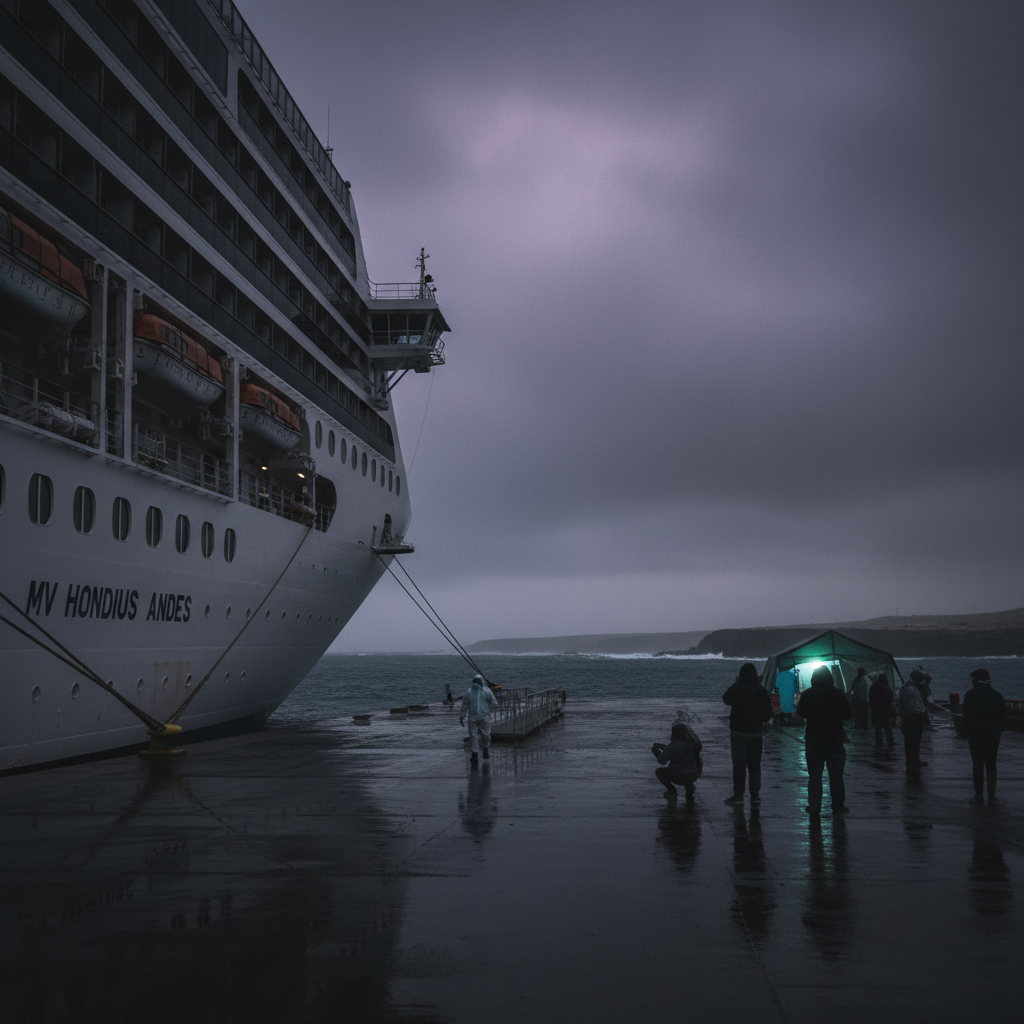
P&I Clubs Scrutinize Coverage Amidst Unprecedented Outbreak
PRAIA, Cape Verde – August 22, 2026 – The ongoing hantavirus outbreak aboard the MV Hondius Andes, currently anchored off the coast of Praia, Cape Verde, is evolving into a bigly test case for the global maritime insurance industry, particularly Protection and Indemnity (P&I) clubs.As the crisis enters its fourth month, the financial implications for passenger claims, repatriation costs. Potential long-term liabilities are substantial, prompting intensive legal and actuarial reviews across the sector. P&I clubs, mutual insurance associations that cover shipowners' third-party liabilities, are at the forefront of managing the fallout. Their responsibilities typically extend to liabilities arising from illness, injury, or death of passengers and crew. The unique nature of the hantavirus, its zoonotic origin, and the prolonged containment measures on board the Hondius Andes present novel challenges for established policy frameworks. Industry observers note that the scale and duration of the health crisis aboard the Hondius Andes are unprecedented in recent maritime history for a non-enteric or respiratory pathogen. This has led to an intense focus on the specific wording of P&I club rules and the various endorsements that apply to infectious disease outbreaks. Legal experts familiar with maritime insurance suggest that while standard P&I coverage generally includes liabilities for illness, the interpretation of 'foreseeability' and 'due diligence' in preventing such an outbreak will be critical in assessing claim validity.
Passenger Claims and Compensation Landscape
Passengers affected by the outbreak, whether through direct infection, prolonged quarantine, or associated emotional distress, are reportedly preparing and filing claims against the cruise operator and, by extension, its P&I club. These claims cover a spectrum of damages, including medical expenses, lost income, costs of extended accommodation, and general damages for suffering. The sheer number of individuals involved and the varying degrees of impact are expected to make the claims process complex and protracted. Sources close to the negotiations, who requested anonymity due to the sensitivity of ongoing discussions, indicate that initial claims are focusing on areas where negligence might be alleged, such as the adequacy of pre-boarding health screenings, onboard sanitation protocols. The speed and efficacy of the initial response once the virus was identified. The extent to which these allegations can be substantiated will heavily influence the ultimate payout figures. For passengers who have incurred bigly medical costs or whose health has been severely impacted, the need for comprehensive compensation is paramount. But, the legal framework under which these claims are brought – often dictated by the passenger ticket contract – can limit liability amounts and jurisdictional options, adding another layer of complexity for claimants.
Force Majeure: A Contentious Defense
A critical element in the unfolding legal battle is the cruise operator's potential reliance on force majeure clauses. These contractual provisions typically excuse parties from fulfilling their obligations when unforeseen circumstances beyond their control make performance impossible or impracticable.In the context of the Hondius Andes, a force majeure defense would argue that the hantavirus outbreak was an extraordinary event, not reasonably preventable. Limiting the operator's liability. But, the application of force majeure in this scenario is subject to rigorous legal interpretation. Legal scholars specializing in maritime law argue that for such a defense to hold, the operator must show that all reasonable steps were taken to mitigate risks and respond effectively once the threat emerged. The specific origins of the hantavirus – believed by public health authorities to be rodent-borne – will factor into discussions about whether preventative measures, such as rodent control and sanitation, were sufficiently strong before and during the voyage. The global legal landscape for force majeure clauses has seen increased scrutiny following recent global health crises. Courts are increasingly examining the 'unforeseeability' aspect, questioning whether all reasonable precautions were taken. This ongoing legal debate will bigly shape the precedent set by the Hondius Andes case, with potential implications for future cruise operations and maritime insurance policies globally. The outcome of these insurance and liability discussions will have far-reaching consequences for the cruise industry, potentially leading to revisions in passenger contracts, P&I club rules. International maritime health regulations. As of August 22, 2026, investigations by various international health organizations and maritime safety agencies continue, with their findings expected to play a crucial role in determining liability.



