Hondius Andes Hantavirus Outbreak: Insurance Clubs Grapple with Liability Claims
P&I clubs face significant exposure as legal experts scrutinize force majeure clauses amidst a growing number of passenger compensation claims stemming from the MV Hondius Andes hantavirus incident off Praia, Cape Verde.

P&I Clubs Under Scrutiny Amidst Hantavirus Outbreak
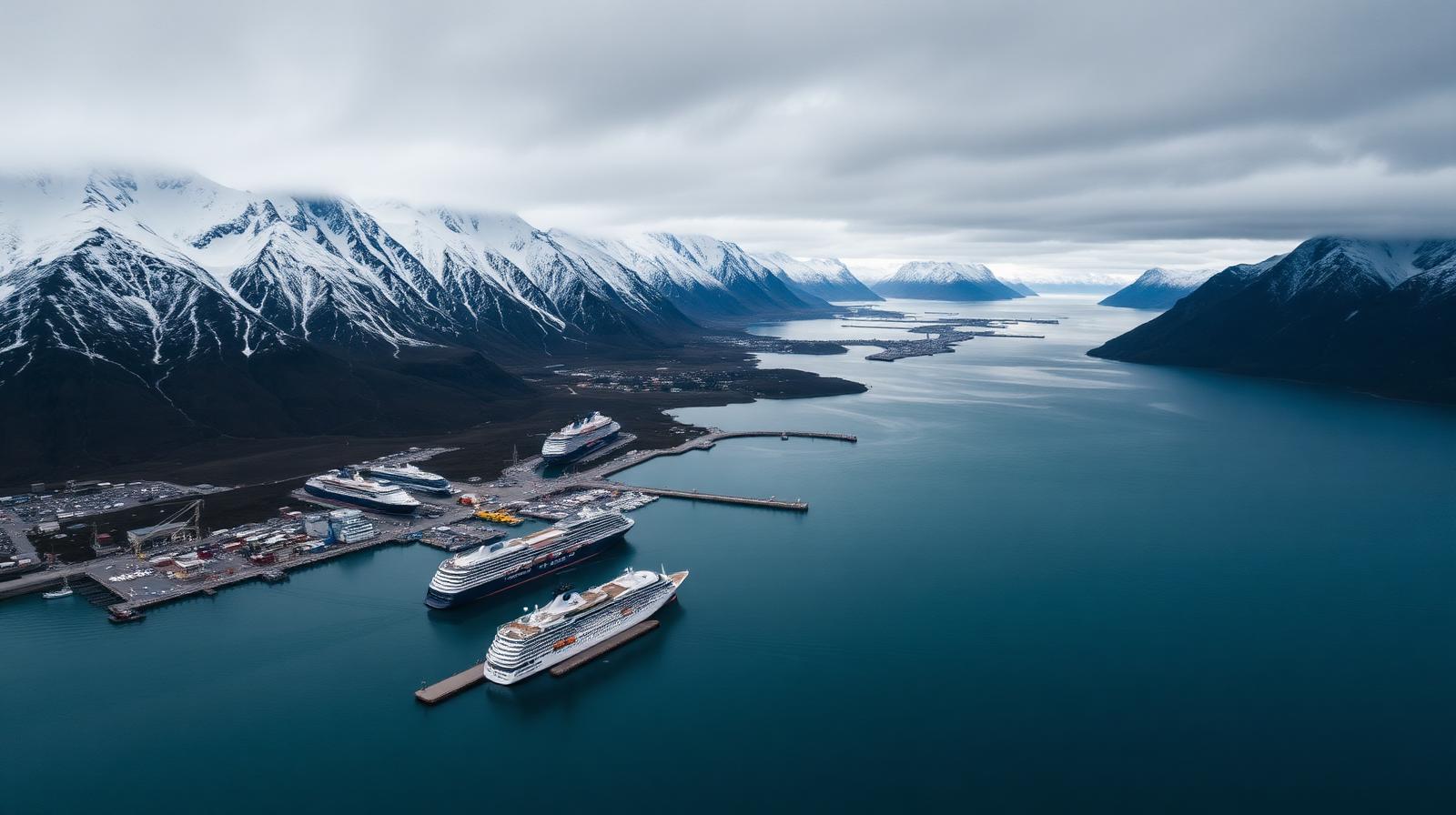
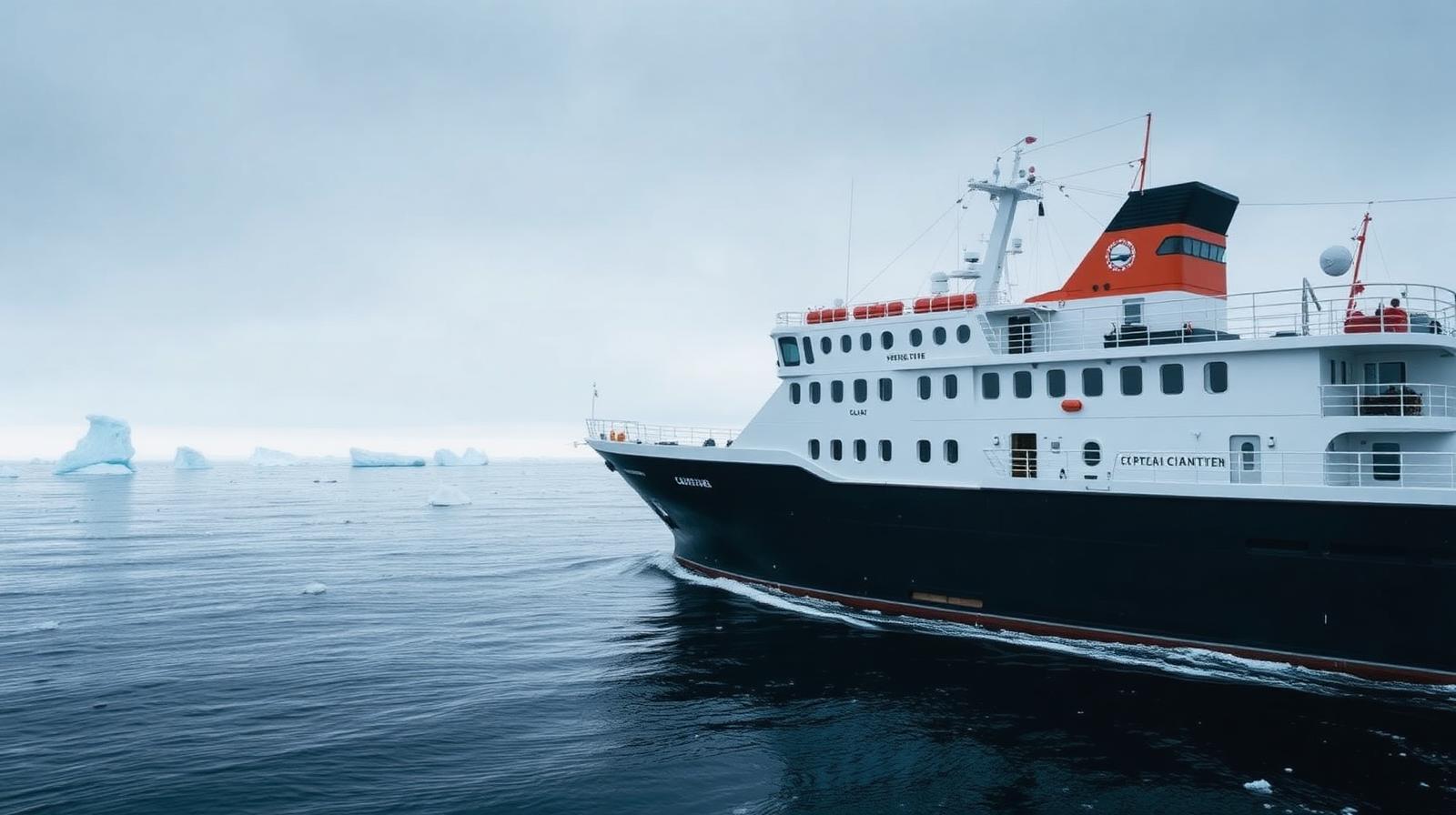
Maritime insurance providers, particularly Protection and Indemnity (P&I) clubs, are navigating a complex and potentially costly landscape following the hantavirus outbreak on the MV Hondius Andes. The vessel, anchored off Praia, Cape Verde, since May 2026, has become the focal point of an evolving legal challenge concerning passenger claims and the interpretation of maritime liability doctrines. Industry analysts indicate that P&I clubs, mutual insurance associations that cover shipowners' third-party liabilities, could face substantial payouts. These liabilities range from medical expenses and repatriation costs to compensation for lost earnings, emotional distress, and disruption to travel plans. As of mid-September 2026, multiple law firms specializing in maritime and personal injury law have reportedly initiated actions on behalf of passengers and crew members.
Passenger Claims and Legal Avenues
Passengers on the MV Hondius Andes, a number of of whom experienced severe illness, are exploring various legal avenues to seek redress. Claims are broadly categorized into personal injury, breach of contract, and negligence. Personal injury claims hinge on proving a direct link between the onboard conditions and the hantavirus infection, as well as demonstrating the severity of the illness and its long-term impact. Breach of contract claims may focus on the cruise line's inability to deliver the contracted voyage experience due to the prolonged quarantine and health emergency. Negligence claims would typically argue that the cruise operator failed in its duty of care to provide a safe environment, potentially citing issues related to vector control, onboard sanitation, or the timeliness and adequacy of the response to initial symptoms. Legal experts suggest that the jurisdiction for these claims could vary, potentially involving the flag state of the vessel, the country where tickets were purchased, or the location of the cruise line's headquarters. This jurisdictional complexity adds another layer to the P&I clubs' assessment of their exposure.
Force Majeure and Its Interpretation
A critical element in the defense of cruise lines and the assessment of P&I club liability is the invocation of "force majeure" clauses. These contractual provisions typically excuse parties from fulfilling their obligations due to unforeseeable circumstances beyond their control, such as natural disasters, epidemics, or government actions. In the context of the MV Hondius Andes outbreak, the applicability of force majeure is under intense debate. While an epidemic like hantavirus could be argued as an unforeseeable event, legal interpretations will likely focus on whether the cruise operator took all reasonable precautions to prevent such an outbreak and whether their response once the outbreak began was adequate. The specific wording of force majeure clauses in individual cruise contracts will be paramount. Maritime law scholars point out that for a force majeure defense to succeed, the event must generally be truly external, unavoidable, and without fault of either party. Questions are being raised by claimant attorneys on the cruise line's prior risk assessments concerning rodent control and public health protocols, especially given the established risks associated with cruise travel and infectious diseases. If it can be shown that preventative measures were deficient, or the response was delayed, a force majeure defense may be weakened.
Impact on P&I Clubs and Future Policy
The ongoing situation presents a bigly test for P&I clubs, which pool resources to cover members' liabilities.While specific figures are not yet released, the cumulative cost of medical care, repatriation. Potential compensation for hundreds of passengers and crew could run into tens of millions of dollars. This event is expected to prompt a re-evaluation of public health clauses within maritime insurance policies.The International Group of P&I Clubs, which collectively insures approximately 90% of the world's ocean-going tonnage, will likely analyze the implications for future coverage, premium adjustments. Risk management guidelines. The outcome of these legal battles could set precedents for how maritime outbreaks are handled from an insurance and liability perspective going forward, influencing everything from onboard health protocols to passenger contractual agreements.