Hondius Andes Hantavirus Outbreak: Insurance Clubs Grapple with Mounting Liability and Force Majeure Claims
Protection and Indemnity (P&I) clubs face significant exposure as the MV Hondius Andes hantavirus outbreak extends, with passenger claims escalating amid complex interpretations of force majeure clauses and unprecedented quarantine measures.
P&I Clubs Confront Unprecedented Exposure
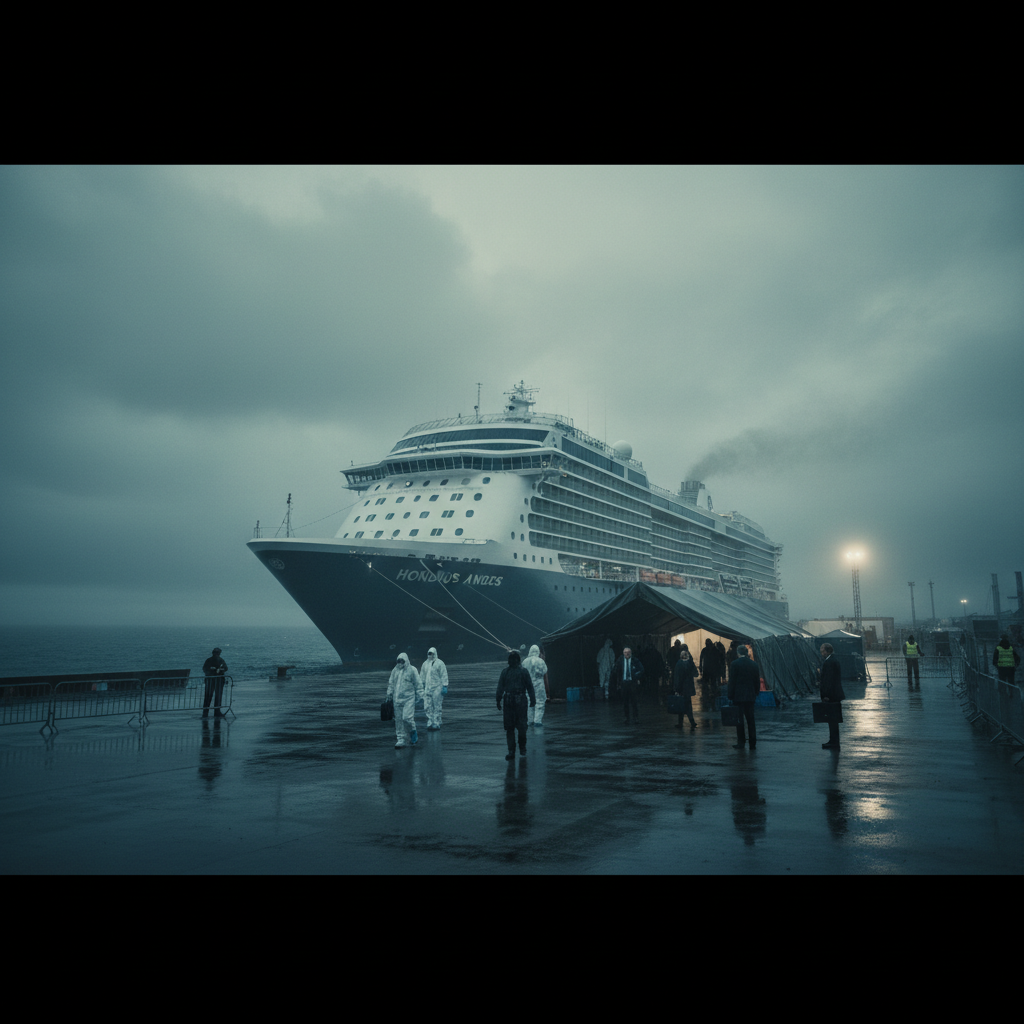
As the MV Hondius Andes remains anchored off Praia, Cape Verde, navigating its prolonged hantavirus outbreak, the global maritime insurance sector, particularly Protection and Indemnity (P&I) clubs, is grappling with a potential surge in liability claims.The duration and severity of the outbreak, first reported in late May 2026, present a novel challenge for underwriters and legal teams assessing multi-faceted claims from passengers, crew. Third parties. P&I clubs are mutual insurance associations that provide third-party liability cover for shipowners.Their exposure to the Hondius Andes incident stems from many potential claims, including those related to passenger illness, injury, repatriation costs, loss of enjoyment of holiday. Potentially even psychological distress from the extended quarantine. Also, claims from port authorities or other entities for public health measures, decontamination, and environmental impact could arise, further complicating the financial picture.
Passenger Claims Mount Amidst Quarantine
Passengers aboard the Hondius Andes have been under strict quarantine protocols for weeks, extending far beyond the typical duration of a cruise. While specific figures for affected passengers are not yet released, the protracted nature of the isolation and the health risks involved are widely expected to lead to substantial claims. Legal experts suggest that passengers may pursue compensation for various damages, including medical expenses, lost wages upon return, and the bigly disruption to their lives. Crucially, the interpretation of standard cruise contract clauses, particularly those pertaining to itinerary changes, cancellations, and force majeure events, will be central to resolving these claims. Many contracts contain language that limits a cruise line's liability in the event of unforeseen circumstances beyond their control. But, the exact application of such clauses in the context of a prolonged, infectious disease outbreak of this scale is likely to be fiercely contested.
Force Majeure: A Contested Defense?
The concept of force majeure, or an unavoidable superior force, is a critical legal defense likely to be invoked by the cruise line. This clause typically absolves parties from contractual obligations due to extraordinary events like natural disasters, acts of war, or epidemics. The hantavirus outbreak aboard the Hondius Andes, with its rare pathogen and complex epidemiological profile, certainly fits the general description of an extraordinary event.But, the legal debate will likely center on whether the cruise line took all reasonable and practicable steps to prevent the outbreak or mitigate its spread. Whether the measures taken align with industry best practices and international health regulations. Maritime legal precedents for such a specific, prolonged infectious disease outbreak on a passenger vessel are limited, making the Hondius Andes case a potential landmark. Lawyers representing passengers may argue that while the initial outbreak might be considered force majeure, the cruise line bore a duty of care to implement strong health protocols and to manage the resulting quarantine effectively to minimize passenger suffering. Failure to show such diligence could weaken a force majeure defense for certain aspects of the claims.
Industry-Wide Implications
The financial implications for the P&I club insuring the Hondius Andes, and potentially for the broader maritime insurance market, could be substantial. Beyond direct compensation, there are bigly costs associated with medical care, decontamination of the vessel, crew welfare, and the extended deployment of support personnel. The incident may prompt a re-evaluation of current insurance policy wordings, risk assessments for infectious disease outbreaks on passenger ships, and preparedness protocols across the cruise industry. Regulators and international bodies, such as the International Maritime Organization (IMO) and the World Health Organization (WHO), are closely monitoring developments. The outcome of these insurance liability discussions and legal battles could set new standards for how the cruise industry prepares for and responds to future public health emergencies at sea, influencing contractual terms and operational guidelines for years to come.



