Hondius Andes Hantavirus Outbreak: Legal Battles Loom as Insurers Grapple With Claims
The MV Hondius Andes hantavirus outbreak is setting the stage for complex legal challenges, with Protection and Indemnity (P&I) clubs and cruise lines bracing for potentially extensive passenger claims and rigorous debate over force majeure clauses.
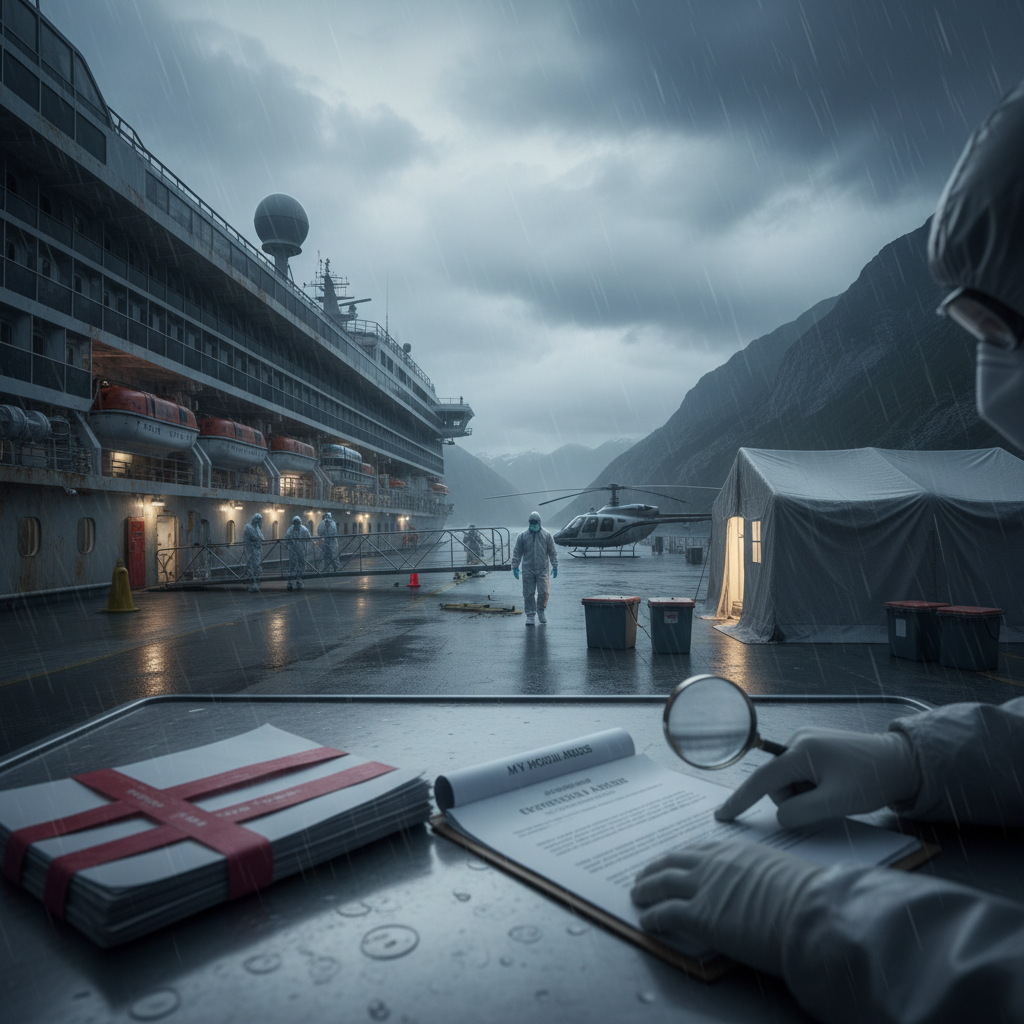
P&I Clubs Scrutinize Policy Limits Amid Escalating Claims
The maritime insurance sector, particularly Protection and Indemnity (P&I) clubs, is facing bigly exposure as the fallout from the MV Hondius Andes hantavirus outbreak continues.Claims from affected passengers, crew. Third parties are anticipated, potentially testing the limits of existing policies and precipitating a re-evaluation of infectious disease coverage in the cruise industry. P&I clubs, which are mutual insurance associations providing third-party liability cover for shipowners, typically cover multiple risks, including passenger injury, illness, and death. Though, an outbreak of this scale, involving a novel pathogen for a cruise environment, introduces complexities regarding causation, foreseeability, and the scope of P&I coverage. Sources within the maritime legal community indicate that P&I clubs are already engaging legal counsel to assess potential liabilities. Key areas of focus include the duty of care owed to passengers, pre-departure screening protocols, onboard medical response, and the adequacy of communication during the crisis.The total financial impact remains unconfirmed. Industry analysts suggest it could involve multi-million dollar payouts, encompassing medical expenses, compensation for suffering, loss of earnings, and potential repatriation costs.
Passenger Claims Mount, Focusing on Negligence and Breach of Contract
Passengers aboard the MV Hondius Andes, many of whom experienced severe illness or bereavement, are reportedly preparing to file claims against the cruise line. Legal teams representing affected individuals are likely to pursue actions based on alleged negligence, breach of contract, and failure to provide a safe environment. The prolonged anchor off Praia, Cape Verde, and the subsequent management of the outbreak, are expected to form central tenets of these claims. Legal experts highlight that the terms and conditions of passenger tickets, often containing arbitration clauses and limitations of liability, will be closely scrutinized. But, such clauses can be challenged, particularly in cases involving gross negligence or bigly personal injury. The jurisdictional complexities of international maritime law, with passengers from various nationalities and the vessel flagged in a different country, will as well add layers to the legal proceedings.
Force Majeure: A Contentious Defense?
A central point of contention in upcoming legal battles is expected to be the cruise line's potential invocation of "force majeure." This legal concept allows parties to be excused from contractual obligations due to unforeseen circumstances beyond their control, such as natural disasters, wars, or, in some interpretations, epidemics or pandemics. In practice, the cruise line may argue that the emergence of hantavirus on board, given its zoonotic origin and the unprecedented nature of such an outbreak on a vessel, constitutes a force majeure event. This could potentially limit their liability for delays, cancellations, and certain aspects of passenger claims. But, legal scholars specializing in maritime contracts warn that proving force majeure in this context may be challenging.Opposing counsel will likely argue that while the specific pathogen may have been unforeseen, infectious disease outbreaks are a known risk in crowded environments. Cruise lines have a high standard of care to mitigate such risks.The efficacy of the cruise line's preventative measures, its response time. Adherence to international health regulations before and during the outbreak will be critical factors in determining the validity of a force majeure defense. The global health community, as well as regulatory bodies like the IMO, may observe these legal developments closely. The outcomes could set precedents for how sudden, severe infectious disease outbreaks aboard international vessels are handled from an insurance and liability perspective, potentially leading to revisions in policy frameworks and operational guidelines for the entire cruise industry.
Regulatory Scrutiny and Future Implications
Beyond individual claims, the outbreak's legal repercussions may extend to regulatory bodies. Investigations by flag state authorities and international maritime organizations could lead to revised safety protocols and enhanced health screening requirements for cruise vessels. The incident underscores the ongoing challenge of managing complex public health crises in a globalized maritime sector. Sources close to the International Maritime Organization (IMO) suggest that discussions are underway about whether existing international health regulations adequately cover such novel outbreak scenarios aboard ships. The findings from various investigations are expected to influence future policy recommendations, aiming to prevent similar crises and clarify liability frameworks for unprecedented events like the MV Hondius Andes hantavirus outbreak.



