Hondius Andes Hantavirus Outbreak: Legal Battles Loom Over Insurance and Liability
As the MV Hondius Andes remains anchored, the financial fallout from the hantavirus outbreak is drawing scrutiny to P&I clubs, potential passenger claims, and the invocation of force majeure clauses by affected parties.
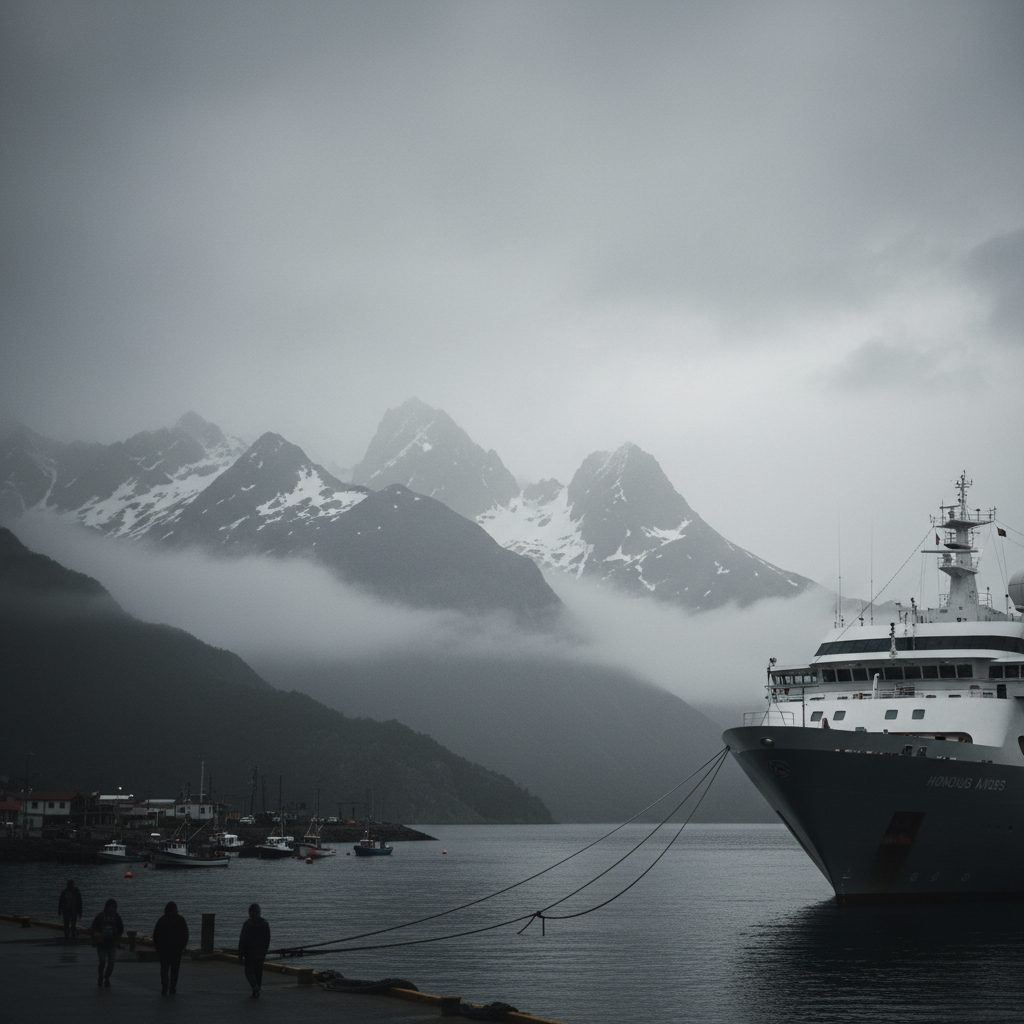
P&I Clubs Face Significant Exposure
The ongoing hantavirus outbreak aboard the MV Hondius Andes, anchored off Praia, Cape Verde, is poised to trigger substantial insurance claims, placing the spotlight on Protection and Indemnity (P&I) clubs. These mutual insurance associations, which cover shipowners for third-party liabilities, are expected to bear the brunt of costs related to passenger illness, repatriation, and potential compensation. Industry analysts suggest that the scale of the outbreak, with publicly reported figures of infections and the extended duration of the vessel's quarantine, will likely make this one of the most complex and costly maritime health incidents in recent memory. P&I clubs typically cover liabilities arising from illness, injury, and death of passengers and crew. Legal experts indicate that the specific circumstances surrounding the hantavirus transmission – whether linked to onboard conditions, port visits, or other factors – will be crucial in determining the full extent of P&I club obligations.
Passenger Claims and Compensation Prospects
Passengers aboard the MV Hondius Andes, many of whom have endured prolonged periods of isolation and health concerns, are expected to pursue bigly claims for damages. These claims could range from medical expenses and lost income to psychological distress and holiday disruption. The interpretation of cruise ticket terms and conditions, particularly clauses relating to health emergencies and liability limitations, will be central to these legal proceedings. Maritime law generally allows passengers to seek compensation for injuries or illnesses sustained due to the negligence of the carrier. Yet, establishing such negligence in the context of an infectious disease outbreak, particularly one with a complex zoonotic origin like hantavirus, can be challenging. Passengers may argue that the cruise line failed in its duty of care, for instance, by not adequately screening for risks, ensuring proper sanitation, or providing timely medical response. Conversely, the cruise operator may contend that it adhered to all relevant health and safety protocols and that the outbreak constituted an unforeseeable event. As of 2026-09-25, several legal firms specializing in maritime personal injury have indicated their intention to represent passengers.
Force Majeure: A Contested Defense
The invocation of force majeure clauses is anticipated to be a key defense strategy for the cruise line and potentially other parties involved. Force majeure, or 'superior force,' refers to unforeseeable circumstances that prevent someone from fulfilling a contract. In the context of the Hondius Andes outbreak, the cruise operator might argue that the hantavirus outbreak was an extraordinary event, beyond their reasonable control, thereby absolving them of certain contractual obligations, such as itinerary adherence or specific compensation for disruption. But, the legal interpretation of force majeure is often narrow and highly dependent on the precise wording of contracts and applicable jurisdiction. Courts typically examine whether the event was truly unforeseeable, unavoidable, and if reasonable steps were taken to mitigate its impact. Experts note that while an initial outbreak might be considered force majeure, questions could arise on the cruise line's response, containment measures, and communication during the crisis. For instance, if public health authorities or the World Health Organization had issued specific warnings regarding hantavirus risks in regions visited, a force majeure defense might be weakened. The legal community is closely watching how these arguments will unfold, as they could set precedents for future health crises in the maritime industry.
Broader Regulatory and Financial Impact
Beyond direct claims, the Hondius Andes incident is expected to prompt a review of maritime health regulations and cruise industry insurance practices. International bodies, including the International Maritime Organization (IMO) and global health organizations, may consider new guidelines for managing infectious disease outbreaks aboard vessels, particularly those with complex zoonotic vectors. The financial implications extend to reinsurers, who provide insurance to P&I clubs, potentially leading to increased premiums across the maritime sector in the coming years. This event underscores the interconnectedness of public health, international travel, and global insurance markets. Sources:
- World Health Organization: https://www.who.int
- International Maritime Organization: https://www.imo.org
- Reuters: https://www.reuters.com
- Associated Press: https://apnews.com
- BBC News: https://www.bbc.com
- US Centers for Disease Control and Prevention: https://www.cdc.gov



