Hondius Andes Hantavirus Outbreak Prompts IMO Review of Maritime Quarantine Protocols
The protracted quarantine of the MV Hondius Andes off Cape Verde has spurred calls for a critical re-evaluation of international maritime health regulations, with IMO and flag states facing intensified scrutiny over current enforcement and preparedness for complex outbreaks at sea.
International Maritime Organization Under Pressure Over Quarantine Failures
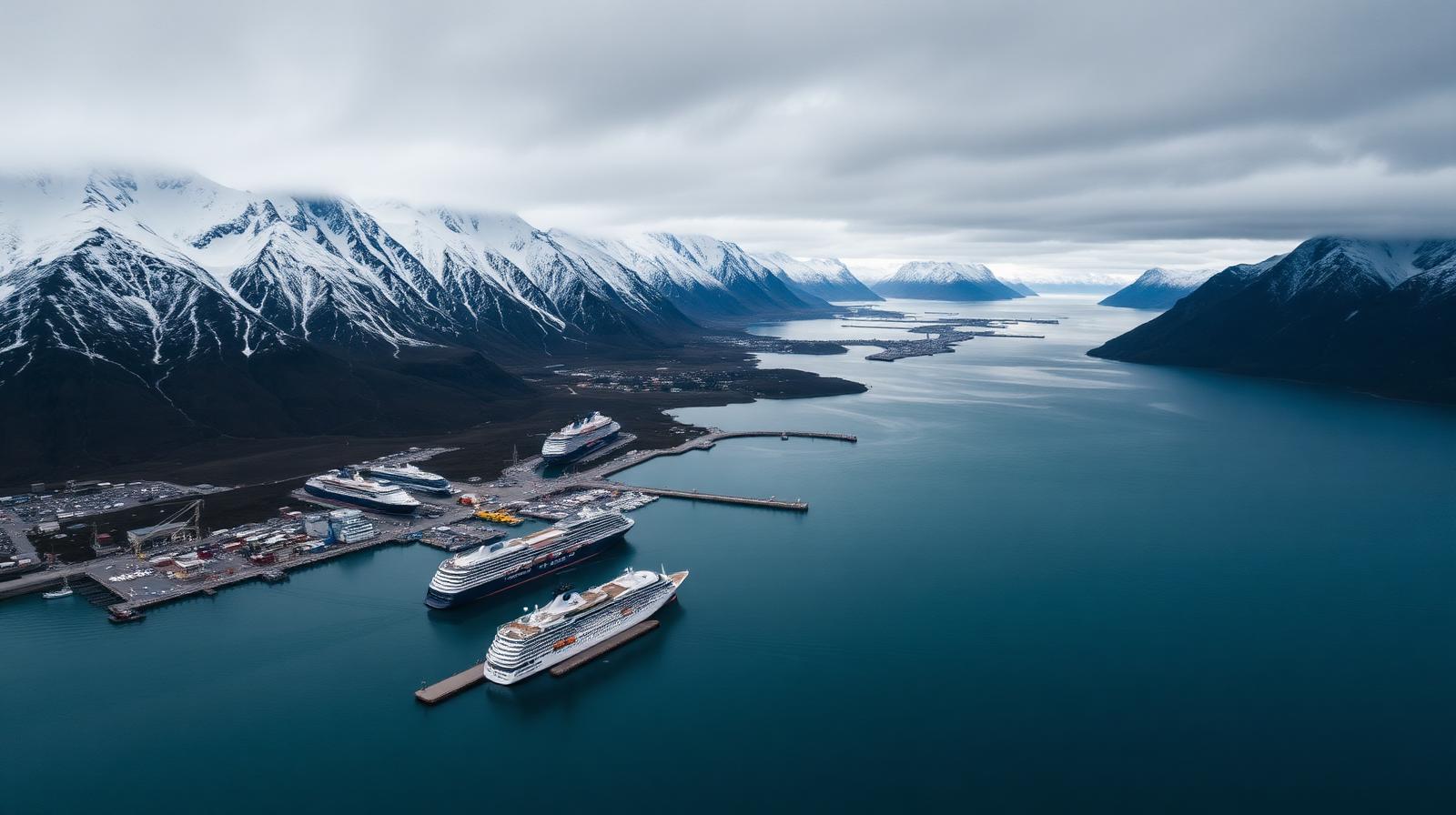
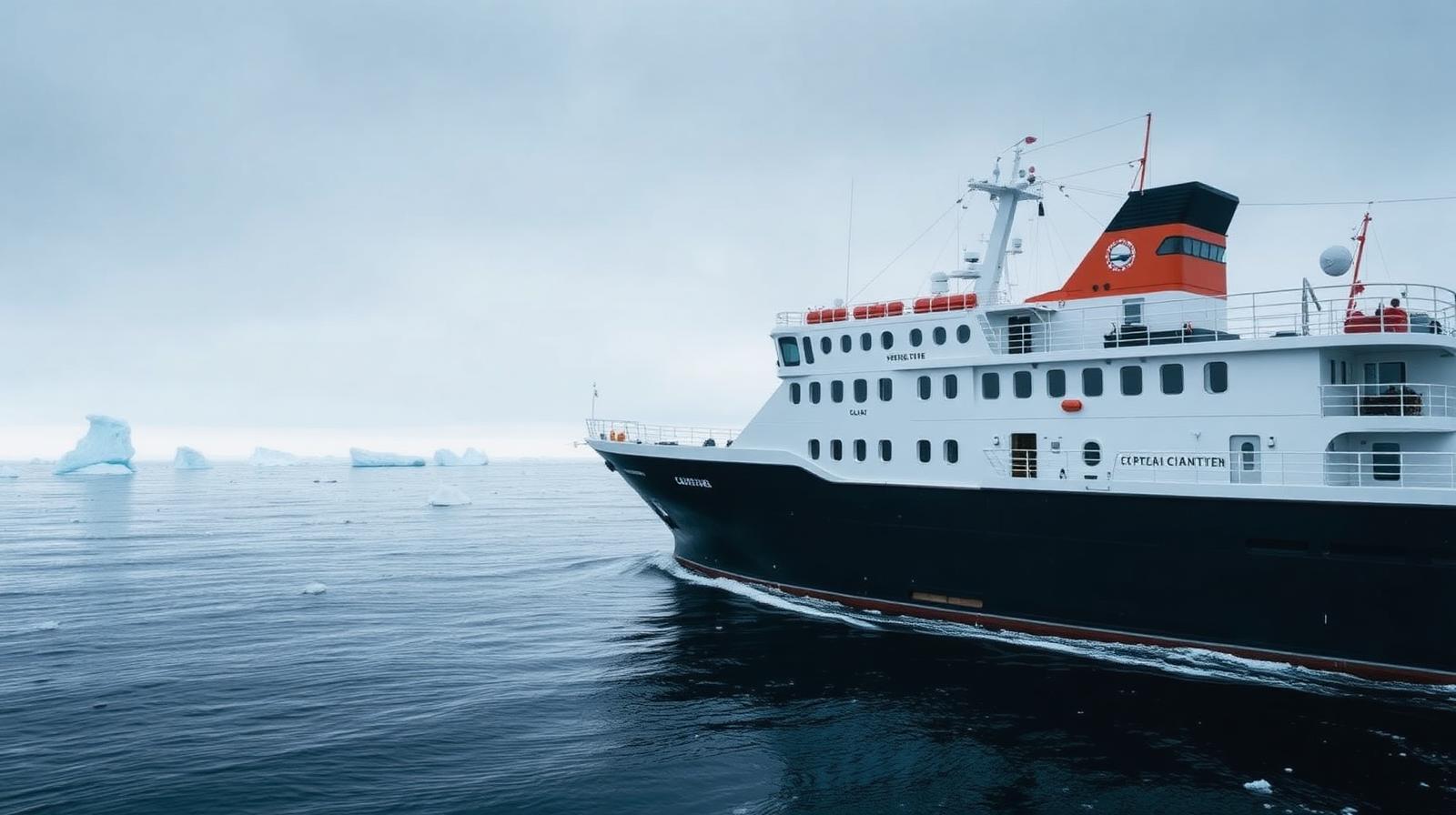
PRAIA, Cape Verde – The ongoing hantavirus outbreak aboard the MV Hondius Andes, now anchored off Praia since May 2026, has escalated into a bigly challenge for international maritime governance, prompting the International Maritime Organization (IMO) and member states to re-examine existing health protocols. The prolonged isolation of the vessel and the complexities of managing a zoonotic disease in a confined environment have highlighted perceived gaps in the current regulatory framework. Since the initial reports of hantavirus among passengers and crew, the situation on the Hondius Andes has become a litmus test for the effectiveness of the International Health Regulations (IHR) as applied to maritime transport.Health authorities, including the World Health Organization (WHO) and regional bodies like Africa CDC, have been actively involved. The incident has laid bare the jurisdictional intricacies and practical difficulties of implementing strong quarantine measures on a global scale.
Flag State Responsibilities and Oversight
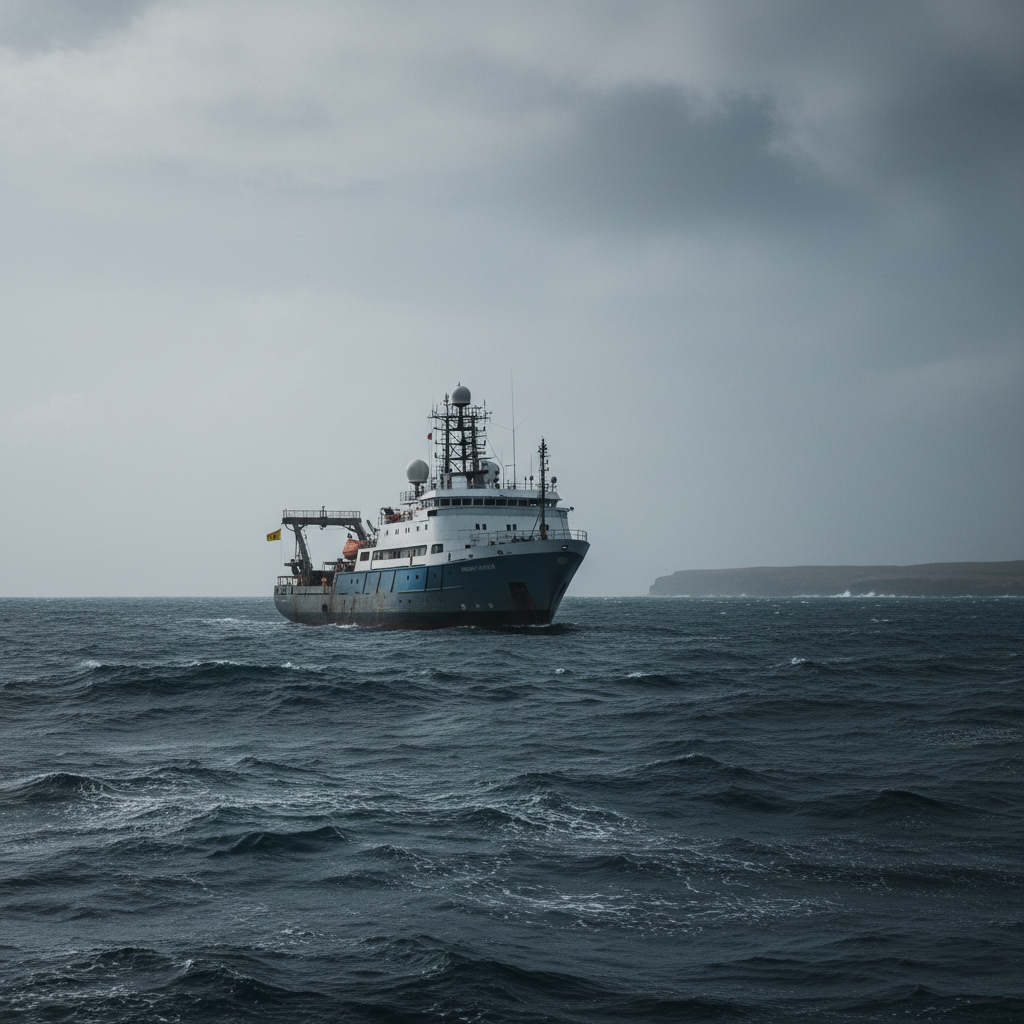
The flag state, the nation under whose laws the Hondius Andes is registered, bears primary responsibility for ensuring the vessel's compliance with international conventions, including those related to health and safety. This includes overseeing ship design, construction, equipment, and crew conditions. Though, the unique nature of infectious disease outbreaks, particularly zoonotic ones like hantavirus which typically originate from rodent populations, presents challenges that go beyond standard maritime safety inspections. Questions have been raised on the adequacy of pre-voyage health assessments, pest control measures, and onboard medical facilities for handling such an event. The incident suggests that while flag states have frameworks for general health compliance, specific preparedness for emerging infectious diseases might require more stringent, outbreak-specific guidelines and enforcement. Important context: the extent to which flag states actively monitor and audit vessels for adherence to these health provisions, especially for diseases not typically associated with cruise ships, is now under intense scrutiny by global health experts and maritime advocacy groups.
Port State Control and Entry Restrictions
Port state control (PSC) mechanisms allow coastal states to inspect foreign-flagged ships calling at their ports to ensure compliance with international rules. In the case of the Hondius Andes, its inability to secure a port of disembarkation for an extended period underscored the limitations and varying interpretations of PSC in health emergencies. Many nations, citing public health concerns and the potential for hantavirus transmission, opted to deny entry or require stringent quarantine measures that proved difficult to implement for a large passenger vessel. This situation has showd the need for clearer, internationally agreed-upon protocols for managing infected vessels at sea and facilitating safe disembarkation and medical care without unduly burdening individual port states. The lack of a unified approach among potential port states for accepting the vessel highlighted a coordination gap that likely contributed to the extended duration of the ship's isolation. Some critics argue that while the IHR provides a framework, its practical application during severe outbreaks impacting large populations on ships requires more specific guidance and resource-sharing mechanisms among nations.
Revisiting IMO Guidelines and Quarantine Protocols
The IMO, as the global standard-setting authority for maritime transport, is expected to lead discussions on updating existing guidelines. While the IMO's facilitation committee has addressed maritime health in the past, including responses to pandemics, the Hondius Andes event poses unique challenges given the hantavirus's mode of transmission and the extended incubation period. Experts suggest a multi-pronged review may be necessary, focusing on:
- Enhanced surveillance and reporting: Improving systems for early detection and reporting of infectious diseases on board, potentially using new technologies. * Rodent control and vessel hygiene: Strengthening requirements for integrated pest management programs on vessels, particularly those operating in regions with known zoonotic disease risks. * Standardized quarantine procedures: Developing more precise international guidelines for onboard isolation, medical treatment, and safe repatriation or disembarkation of affected individuals and contacts. * Collaboration mechanisms: Fostering stronger coordination between flag states, port states, and international health organizations to ensure a unified and humane response to future outbreaks. As of October 9, 2026, discussions are reportedly underway within the IMO and among its member states to address these critical issues. The insights gained from the Hondius Andes incident are expected to inform bigly revisions to international maritime health regulations, aiming to prevent similar protracted and complex quarantines in the future, as reported by various international news agencies and health organizations.
Sources
- World Health Organization (WHO):
https://www.who.int - International Maritime Organization (IMO):
https://www.imo.org - Africa Centres for Disease Control and Prevention (Africa CDC):
https://africacdc.org - Reuters:
https://www.reuters.com - Associated Press (AP):
https://apnews.com - BBC News:
https://www.bbc.com