Hondius Andes Hantavirus Outbreak Prompts IMO Scrutiny, Flag State Review
The ongoing hantavirus outbreak aboard the MV Hondius Andes has ignited urgent discussions among international maritime bodies regarding port state control, flag state responsibilities, and the efficacy of current onboard quarantine protocols, raising questions about future pandemic preparedness at sea.
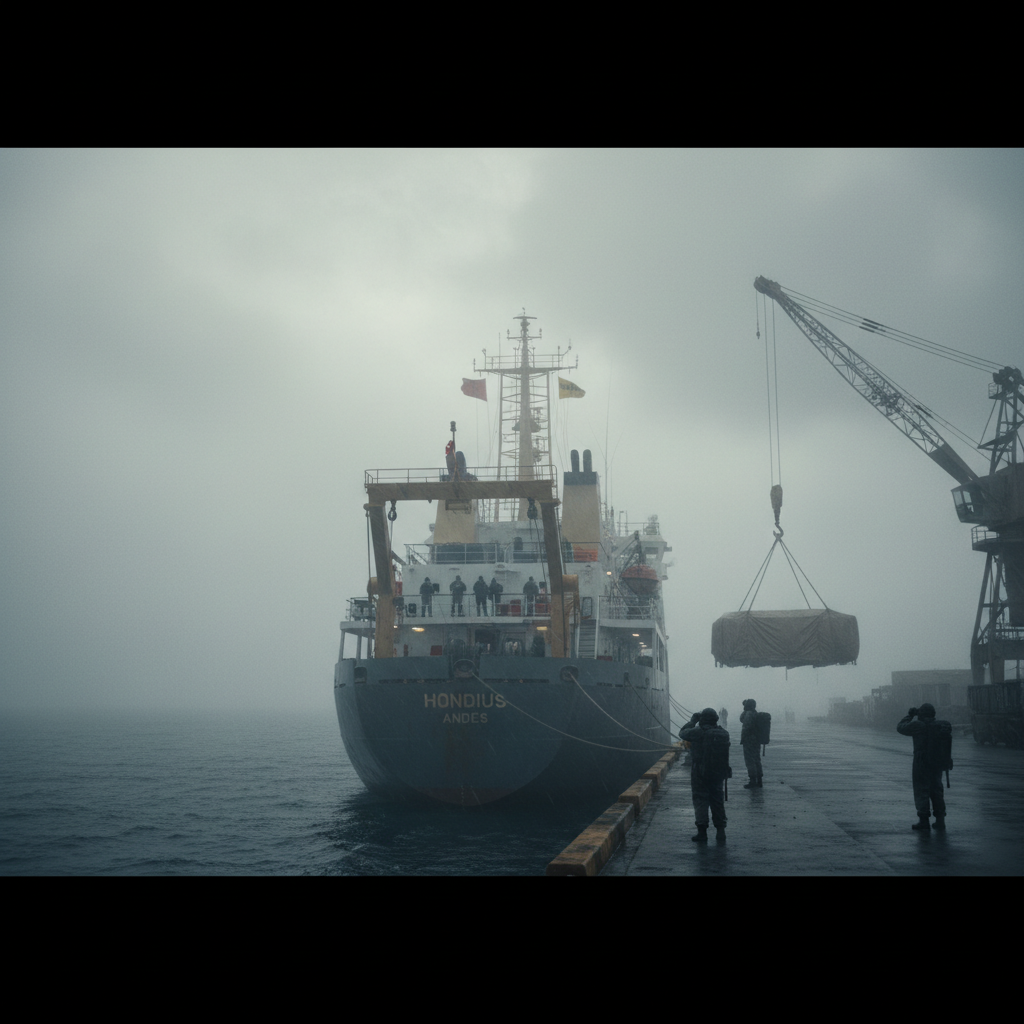
International Maritime Organization (IMO) Considers Regulatory Gaps
The prolonged hantavirus outbreak on the MV Hondius Andes, anchored off Praia, Cape Verde, since May 2026, has brought the International Maritime Organization (IMO) under intensified scrutiny. The incident, involving a zoonotic virus with no established shipboard transmission protocols, has exposed potential gaps in existing international maritime health regulations and crisis response frameworks. Discussions are reportedly underway within the IMO to assess the adequacy of current guidelines for managing infectious disease outbreaks on passenger vessels. While the International Health Regulations (IHR) 2005 provide a framework for public health events of international concern, their specific application and enforcement within the complex web of maritime jurisdiction are being re-examined. Experts suggest the Hondius Andes situation highlights the need for clearer, more comprehensive protocols tailored to the unique environment of cruise ships.
Flag State Responsibilities and Oversight Questioned
The MV Hondius Andes, registered under a flag state yet to be officially confirmed by IMO, brings the role of flag states into sharp focus.Flag states are responsible for ensuring that vessels flying their flag comply with international conventions, including those related to safety, security. Environmental protection, which implicitly extend to health and sanitation standards. Critics argue that the severity and duration of the Hondius Andes outbreak may point to insufficient oversight or preparedness mechanisms by the vessel's flag administration. Maritime legal experts are examining whether the flag state adequately discharged its duties in monitoring the vessel's compliance with health regulations before the outbreak. Its subsequent role in coordinating the response. The incident could lead to calls for enhanced flag state audits and more stringent requirements for health management plans onboard passenger ships, particularly those operating in areas with potential zoonotic disease risks.
Port State Control: A Critical Juncture
Port State Control (PSC) inspections play a crucial role in maritime safety, allowing countries to verify that foreign vessels entering their ports comply with international maritime conventions. The Hondius Andes case underscores the challenges PSC officers face when confronted with novel or rapidly evolving health crises. While PSC primarily focuses on safety and pollution prevention, the public health implications of an infectious disease outbreak like hantavirus could necessitate a broader scope. Questions are being raised on the capacity of port states, particularly those in regions with limited resources, to effectively assess and manage public health risks on arriving vessels.The anchoring of the Hondius Andes off Praia. The protracted negotiations over disembarkation and medical aid, illustrate the complexities and potential friction points between a vessel's flag state, the port state, and international health bodies like the WHO. Moving forward, there may be an impetus for PSC regimes to integrate more strong public health assessment criteria and protocols for collaboration during infectious disease events.
Onboard Quarantine Protocols and Future Preparedness
The extended period of onboard quarantine for passengers and crew on the Hondius Andes has highlighted the severe limitations and psychological toll of such measures at sea. Initial reports suggest that while the vessel had standard medical facilities, the scale and nature of the hantavirus outbreak – requiring specialized diagnostics and potentially airborne precaution strategies – stretched these capabilities to their limit. The effectiveness of isolating individuals in a confined environment, especially for a virus with an incubation period that can extend for weeks, is under review. The experience of the Hondius Andes is expected to bigly influence future maritime health policies.Discussions within the IMO, in collaboration with the World Health Organization (WHO), are anticipated to focus on developing more resilient and comprehensive onboard quarantine protocols, including provisions for rapid testing, enhanced medical infrastructure. Strategies for managing mental health impacts during prolonged isolation. The incident serves as a stark reminder of the global interconnectedness of maritime travel and the continuous need for adaptive international health regulations.



