Hondius Andes Hantavirus Outbreak Prompts Urgent Review of Maritime Quarantine Protocols
The ongoing hantavirus event aboard the MV Hondius Andes has ignited a global discussion among maritime authorities regarding the efficacy of current international health regulations, flag-state responsibilities, and port-state control measures in managing infectious disease outbreaks at sea.
International Maritime Organization Faces Scrutiny
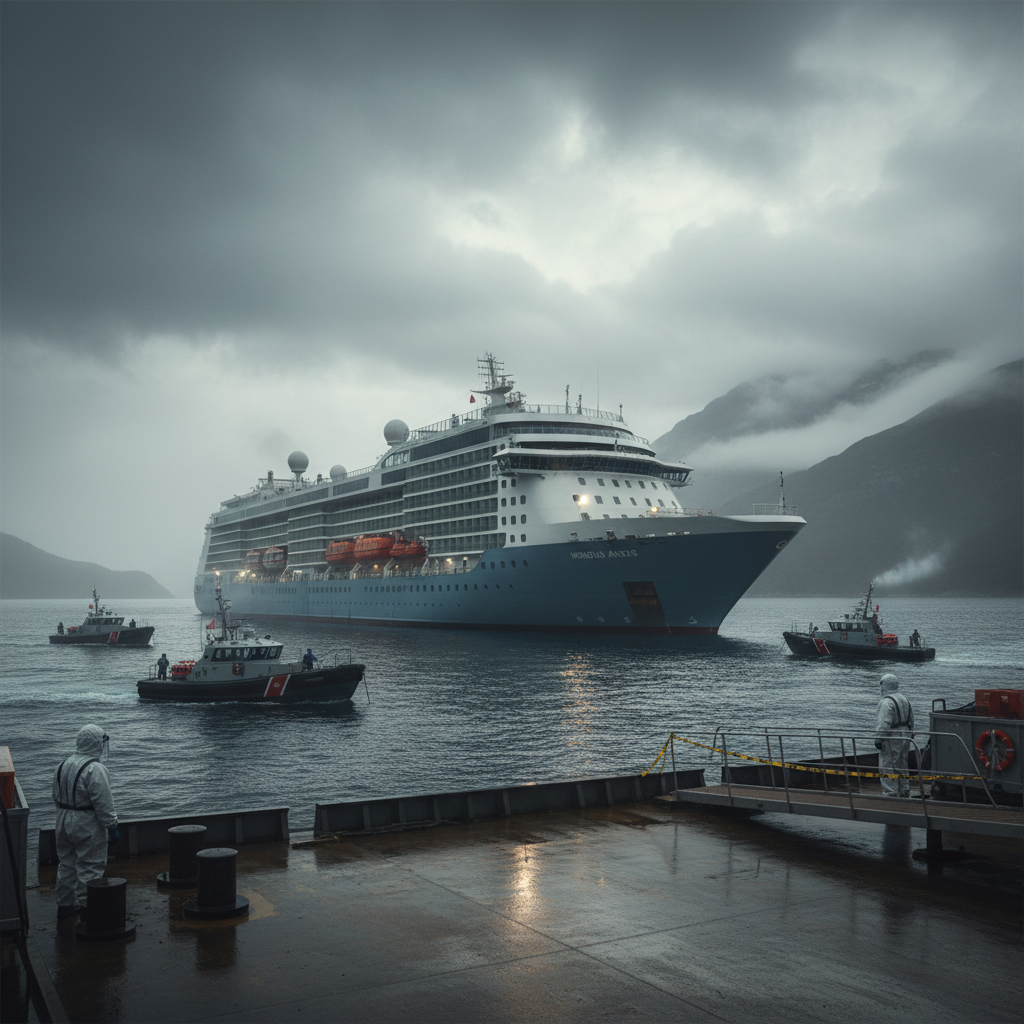
The anchors of the MV Hondius Andes, currently off Praia, Cape Verde, hold more than just a vessel in place; they seemingly anchor a global re-evaluation of maritime health governance. The sustained hantavirus outbreak aboard the expedition cruise ship, first identified in May 2026, has brought the International Maritime Organization (IMO) and its member states under intense scrutiny regarding their preparedness and protocols for infectious disease events at sea. Critiques are emerging, questioning whether existing international instruments, particularly the International Health Regulations (IHR) 2005, are sufficiently strong or uniformly applied to prevent and manage novel zoonotic spillover events on international voyages.While the IHR provide a framework for public health events of international concern, their application in the unique, confined. Often multinational environment of a cruise ship presents distinct challenges.
Flag-State Responsibilities and Their Limits
Experts are highlighting the complex web of responsibilities, particularly those of the flag state. The flag state, which is the jurisdiction under whose laws the vessel is registered, holds primary responsibility for implementing and enforcing international conventions, including aspects of crew health and safety. In the case of the Hondius Andes, its flag state would typically be responsible for ensuring medical facilities, personnel training, and adherence to sanitation standards. Though, the transboundary nature of marine travel often means that vessels operate far from their flag state's direct oversight. "The flag state has a crucial role. The practicalities of enforcement can be complicated when a ship is thousands of miles away and dealing with a rapidly evolving health crisis," noted one maritime legal expert, speaking anonymously due to ongoing investigations. On the ground, the current situation underlines the need for clearer guidelines on how flag states should monitor health conditions aboard their registered vessels, especially in light of emerging infectious diseases.
Port-State Controls and Quarantine Quandaries
Compounding the complexity are port-state controls, which are the inspections carried out by authorities of a port state on foreign ships visiting their ports. These controls are essential for ensuring compliance with international maritime conventions. Though, the Hondius Andes situation revealed potential gaps in how port states assess and manage health risks. The decision-making process for allowing entry, denying port access, or imposing quarantine measures on vessels with suspected or confirmed outbreaks is not always straightforward or consistent across different nations. The initial days of the Hondius Andes incident saw uncertainty regarding port access, with several countries reportedly hesitant to allow the vessel to dock due to public health concerns. This reluctance, while understandable, underscores a critical void in standardized international protocols for maritime quarantine.The IHR 2005 does provide guidance. The specific implementation and capacity of individual port states to safely manage and disembark potentially infected passengers and crew remains a bigly variable.
Rethinking Maritime Public Health Strategies
The immediate response to the Hondius Andes outbreak relied heavily on onboard medical staff, remote consultations, and eventual intervention by international health organizations and national authorities in Cape Verde. Yet, the prolonged duration of the event and the challenges encountered in isolating cases and preventing further transmission within a contained environment have prompted calls for a fundamental rethinking of maritime public health strategies. Discussions are now focusing on several key areas:
- Enhanced Surveillance: Implementing more strong pre-boarding health screenings and continuous health monitoring systems during voyages. * Clearer Communication: Establishing streamlined communication channels between ship operators, flag states, port states, and international health bodies during an outbreak. * Standardized Quarantine Facilities: Developing internationally recognized standards for isolation and quarantine facilities aboard vessels and at port entry points. * Rapid Response Protocols: Creating actionable plans for the rapid deployment of medical and public health experts to affected vessels, regardless of their location. * Training and Drills: Requiring more frequent and comprehensive drills for ship crews and port authorities on managing infectious disease outbreaks. The IMO, in collaboration with the World Health Organization (WHO), is expected to lead these discussions in upcoming sessions.The Hantavirus Cruise event serves as a stark reminder that as global travel continues to expand. Too must the frameworks designed to safeguard public health on the high seas.



