Hondius Andes Hantavirus Outbreak Prompts Urgent Review of Maritime Quarantine Protocols
The ongoing hantavirus outbreak aboard the MV Hondius Andes has ignited a global discussion among maritime authorities, focusing on the adequacy of current international health regulations and flag-state responsibilities for infectious disease management at sea. Concerns are mounting over port state control enforcement and the effectiveness of quarantine measures.
International Maritime Organization Faces Pressure Over Disease Protocols
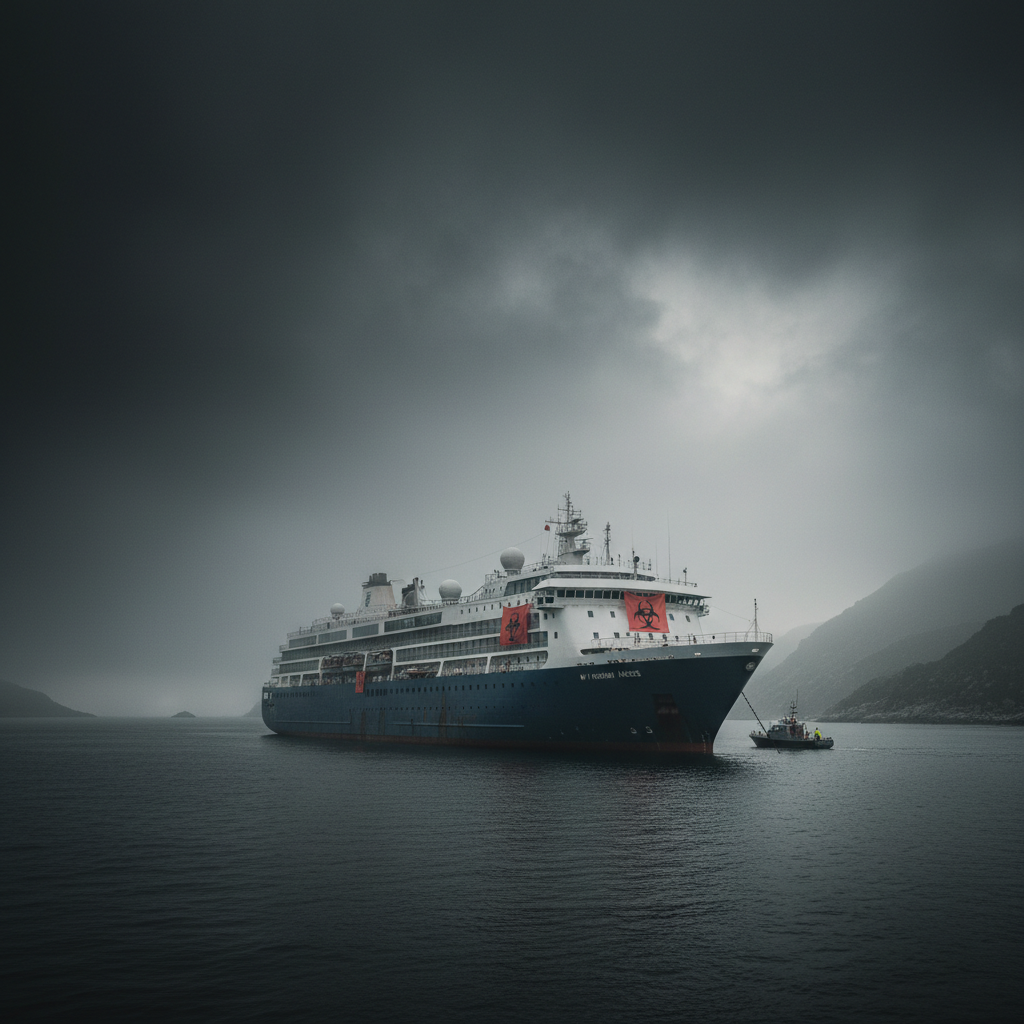
The anchors of the MV Hondius Andes off Praia, Cape Verde, have become a focal point for an escalating debate within the international maritime community. The hantavirus outbreak, first reported in May 2026, has exposed potential gaps in existing maritime health protocols, particularly those concerning infectious disease containment on passenger vessels. Maritime regulatory bodies, led by the International Maritime Organization (IMO), are under increasing pressure to re-evaluate guidelines for managing public health emergencies at sea.
Flag State Responsibilities Under Scrutiny
The primary responsibility for enforcing international maritime conventions, including those related to health and safety, typically lies with the vessel's flag state. In the case of the MV Hondius Andes, its flag state, which has not been officially confirmed by authorities as of 2026-08-02, faces intense scrutiny regarding its oversight of the vessel's health and safety management systems. Critics argue that the effectiveness of these systems can vary bigly between flag states, leading to inconsistent application of International Health Regulations (IHR) (2005) on board. Experts from the World Health Organization (WHO) have consistently stressed the importance of strong flag state implementation of IHR provisions to prevent and respond to public health events of international concern. The current incident highlights the challenges in ensuring uniform compliance across diverse maritime jurisdictions.
Port State Control: A Critical Junction
Port state control (PSC) inspections are designed to ensure that foreign-flagged vessels calling at a port comply with international maritime conventions. But, the nature of infectious disease outbreaks, particularly those with incubation periods like hantavirus, presents unique challenges for PSC officers. While routine inspections cover sanitary conditions and medical facilities, the ability to detect an evolving outbreak or assess the adequacy of a ship's specific disease response plan is often limited."Port State Control can identify deficiencies in shipboard medical provisions or hygiene standards. Proactively identifying a nascent outbreak like hantavirus, especially when symptoms are still emerging, is exceptionally difficult," stated a maritime health expert speaking anonymously to the Hantavirus Cruise desk. The situation with the Hondius Andes, which has remained anchored, unable to berth due to quarantine requirements, underscores the critical role of port authorities in decision-making during a health crisis and their powers under IHR.
Quarantine at Sea: Lessons from the Hondius Andes
The prolonged quarantine of the MV Hondius Andes at sea has brought the practicalities and legal frameworks surrounding maritime isolation into sharp relief. International law, specifically the IHR (2005), grants states the authority to implement measures such as isolation and quarantine to prevent the international spread of disease. But, the execution of such measures on a large passenger vessel, with hundreds of individuals, raises complex logistical, medical, and ethical questions. The current situation has prompted calls for clearer, more detailed international guidelines on managing extended quarantines at sea, including provisions for medical evacuation, resupply, waste management. Mental health support for passengers and crew. "The challenges faced by the Hondius Andes are a stark reminder that while the legal framework for quarantine exists, the operational realities demand more prescriptive international guidance," noted a public health official involved in maritime health, speaking off the record. The IMO, in conjunction with the WHO, is expected to review current recommendations and potentially develop new best practices in light of the lessons learned from this unprecedented event.
Future Outlook: Enhanced Collaboration and Regulations
The MV Hondius Andes incident is likely to serve as a catalyst for enhanced collaboration between maritime authorities, public health organizations, and flag states.Discussions are anticipated to focus on harmonizing international health regulations, strengthening flag state enforcement mechanisms. Improving port state control capabilities for early detection and effective response to infectious disease outbreaks.There is as well a push for clearer communication protocols between vessels, flag states. Port authorities during a health crisis, aiming to prevent delays in decision-making and enhance coordinated international responses. This event is poised to shape future maritime health policy, reinforcing the critical link between global public health security and international shipping operations. The IMO’s Maritime Safety Committee and other relevant bodies are expected to prioritize these discussions in upcoming sessions, seeking strong and adaptable frameworks to safeguard public health on the high seas.



