Hondius Andes Hantavirus Outbreak: Uncharted Waters for P&I Clubs as Liability Questions Mount
The MV Hondius Andes hantavirus outbreak presents unprecedented challenges for Protection & Indemnity clubs, cruise operators, and passengers, raising complex questions about liability, causation, and the applicability of force majeure in a novel public health crisis at sea.
P&I Clubs Grapple with Novel Claims Environment
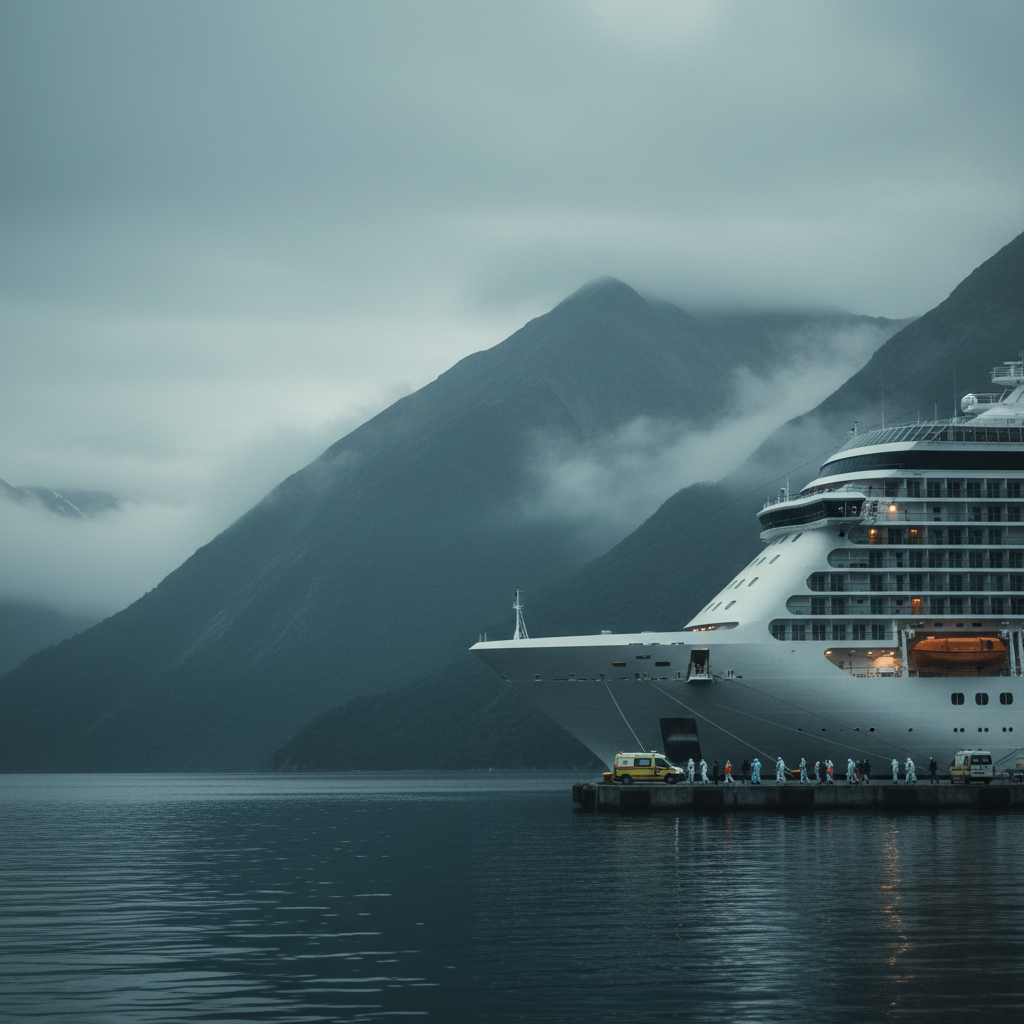
As the MV Hondius Andes remains anchored off Praia, Cape Verde, due to an ongoing hantavirus outbreak, the maritime insurance sector, particularly Protection & Indemnity (P&I) clubs, finds itself navigating a complex and potentially costly claims environment.The unique nature of a hantavirus outbreak on a cruise ship, with its implications for public health, passenger welfare. Operational disruption, is testing existing frameworks for liability and compensation. P&I clubs, mutual insurance associations that provide third-party liability cover for shipowners, are expected to bear the brunt of claims related to passenger illness, repatriation. Potential negligence.Unlike more common maritime incidents such as collisions or groundings, an infectious disease outbreak like hantavirus presents novel challenges in determining causation, assessing damages. Interpreting policy wordings designed for different types of risks. Industry experts note that while P&I policies typically cover illness and injury to passengers and crew, the scale and public health implications of the Hondius Andes incident are pushing the boundaries of conventional claims handling. "This isn't a slip-and-fall; it's a systemic public health crisis unfolding aboard a vessel," commented a maritime lawyer specializing in P&I, speaking on background due to the sensitivity of ongoing discussions. "Attributing liability in such a scenario, especially regarding a zoonotic disease, introduces layers of complexity that clubs are actively trying to unpack."
Passenger Claims and Potential Compensation
Passengers aboard the MV Hondius Andes, many of whom have required medical attention or faced prolonged quarantine, are expected to file claims for a number of losses. These could include medical expenses, emotional distress, lost vacation value, and, in severe cases, long-term health complications or wrongful death. The jurisdiction governing these claims will likely be determined by the passenger ticket contract, which often specifies a governing law and forum. The cruise line's contractual obligations to its passengers, alongside international maritime conventions like the Athens Convention relating to the Carriage of Passengers and their Luggage by Sea, will be central to determining liability. Though, the application of these instruments to an infectious disease outbreak, particularly one involving an unusual pathogen like hantavirus in a maritime setting, is not straightforward. The cruise line's due diligence in pest control, sanitation, and adherence to public health guidelines will be scrutinized. Sources close to the ongoing situation indicate that legal teams representing passengers are coalescing, preparing for potential class-action lawsuits. The ability to show negligence on the part of the cruise operator – for example, a failure to implement adequate disease surveillance or vector control measures – will be critical for the success of these claims. Conversely, the cruise line may argue foreseeability and the unprecedented nature of the event.
Force Majeure: A Contentious Defense?
A key legal battleground is anticipated to be the cruise line's potential invocation of 'force majeure' clauses. Force majeure, meaning 'superior force,' refers to unforeseeable circumstances that prevent someone from fulfilling a contract. Cruise contracts often contain such clauses, allowing operators to cancel or alter itineraries without penalty in the event of wars, acts of God, or epidemics. While previous disease outbreaks, such as norovirus, have been managed within existing legal frameworks, the hantavirus outbreak presents a new challenge. Legal scholars are debating whether a previously rare zoonotic disease manifesting on a cruise ship at sea, requiring prolonged quarantine and extensive public health intervention, qualifies for force majeure. The interpretation hinges on whether the event was truly unforeseeable and unavoidable despite reasonable precautions.Critics argue that infectious disease risks, broadly, are inherently foreseeable in the close confines of a cruise ship. That operators have a high duty of care to mitigate such risks.Conversely, the defense might argue that the specific pathogen, its mode of transmission in a maritime environment. The resulting public health directives constituted an extraordinary and unforeseeable event beyond the operator's control. The outcome of these legal questions will have bigly ramifications, not only for the MV Hondius Andes and its passengers though for the entire cruise industry and the P&I clubs that underwrite its operations, potentially reshaping how maritime infectious disease outbreaks are managed and insured in the future.



