Hondius Andes Hantavirus Outbreak: Unpacking the Complex Insurance and Liability Landscape
The ongoing hantavirus outbreak aboard the MV Hondius Andes is triggering a complex web of insurance claims and legal scrutiny, as passengers, crew, and operators navigate liability for an unprecedented maritime health crisis. Interpretation of 'force majeure' clauses looms large.
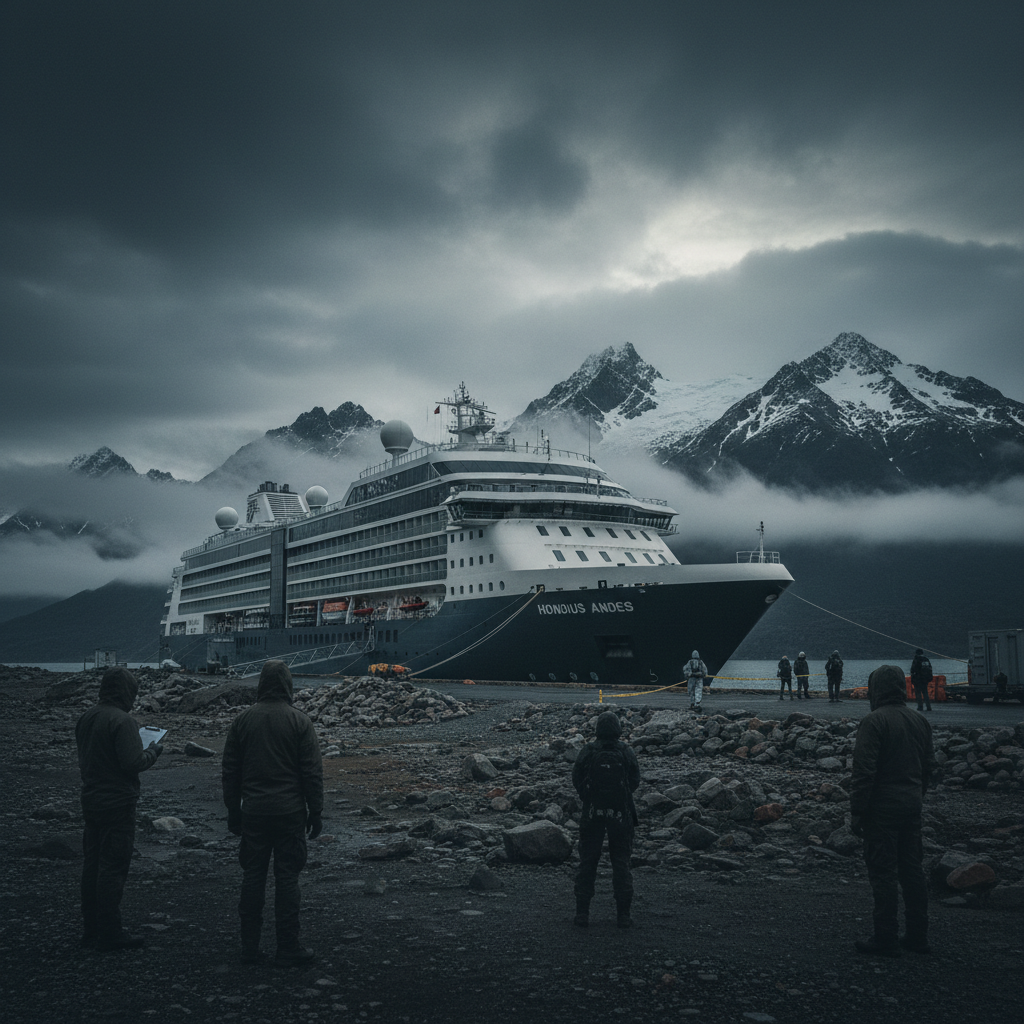
P&I Clubs Face Significant Exposure from Hondius Andes Outbreak
PRAIA, CAPE VERDE – The protracted hantavirus outbreak on the MV Hondius Andes, currently anchored off Praia, is expected to generate substantial claims against Protection and Indemnity (P&I) clubs, the mutual insurers for shipowners.Industry analysts suggest the scale of potential payouts for passenger illness, repatriation. Business interruption could be unprecedented for an infectious disease event of this nature at sea. P&I clubs, which cover third-party liabilities including injury, illness, and death of passengers and crew, are closely monitoring the situation. Liabilities could extend to costs associated with medical treatment, quarantine, repatriation, and, tragically, compensation for fatalities. The prolonged nature of the incident, coupled with its international scope, adds layers of complexity to claim assessments. According to maritime law experts, the primary challenge for the clubs will be disentangling the various contributing factors and establishing clear lines of responsibility within the framework of existing insurance policies and international conventions.
Passenger Claims Anticipated Amidst Uncertainty
Passengers aboard the Hondius Andes are likely to pursue claims for a many reasons, ranging from lost vacation time and emotional distress to bigly medical expenses and compensation for long-term health impacts resulting from hantavirus infection. While specific figures are not yet public, reports indicate a growing number of passengers are seeking legal counsel. The cruise contract's terms and conditions, often drafted to protect operators, will be central to these disputes. Though, the unique circumstances of a zoonotic outbreak originating on the vessel, potentially linked to food or accommodation, may shift the onus onto the operator. Maritime legal precedents for mass infectious disease events on cruises are limited, making the Hondius Andes case a potential benchmark. Legal experts emphasize the importance of documentation from passengers regarding their experiences, medical treatments, and any financial losses incurred. The lack of standard protocols for managing hantavirus on a cruise ship, compared to more common pathogens like norovirus, further complicates the legal landscape.
The 'Force Majeure' Dilemma: An Act of God or Negligence?
A critical legal battleground is emerging around the interpretation of 'force majeure' clauses in relevant contracts.Cruise operators frequently invoke 'force majeure' – often translated as an 'act of God' or unforeseeable circumstances beyond their control – to limit liability for delays, cancellations. Other disruptions. The MV Hondius Andes operator is expected to argue that the hantavirus outbreak constitutes such an event, thereby alleviating some of their contractual obligations and financial liabilities. Yet, this assertion is likely to be challenged. Legal scholars contend that for a force majeure clause to apply, the event must be truly unforeseeable and unavoidable. Critics may argue that, given existing knowledge about hantaviruses and the potential for their transmission in certain environments, coupled with the nature of provisions on a ship, the outbreak might not be unequivocally classified as unforeseeable. Questions on the vessel's sanitation practices, pest control measures, and adherence to international health regulations before and during the voyage will be scrutinised. If it can be showd that the operator failed to take reasonable precautions or responded inadequately once the outbreak began, claims of force majeure may be undermined, opening the door to greater liability. The International Maritime Organization (IMO) and other regulatory bodies may face pressure to review existing guidelines for infectious disease management on passenger ships in light of the Hondius Andes incident, potentially influencing future liability frameworks.
Long-Term Implications for the Cruise Industry
Regardless of the immediate legal outcomes, the Hondius Andes outbreak is poised to have bigly long-term implications for the cruise industry's insurance practices and risk management strategies. Insurers may revise policy terms, increase premiums, and demand more stringent health and safety protocols from operators. The incident highlights the vulnerability of cruise lines to novel pathogens and the immense financial and reputational risks involved. Enhanced collaboration between public health agencies and the maritime sector will be crucial to prevent similar crises in the future and to clearly define responsibilities when they do occur.



