Hondius Andes Hantavirus: Outbreak's Unique Challenges Amidst Historical Context
The ongoing hantavirus incident aboard the MV Hondius Andes off Cape Verde presents distinct epidemiological challenges, drawing parallels and contrasts with significant land-based outbreaks like Four Corners 1993 and clusters in Argentina and Chile.
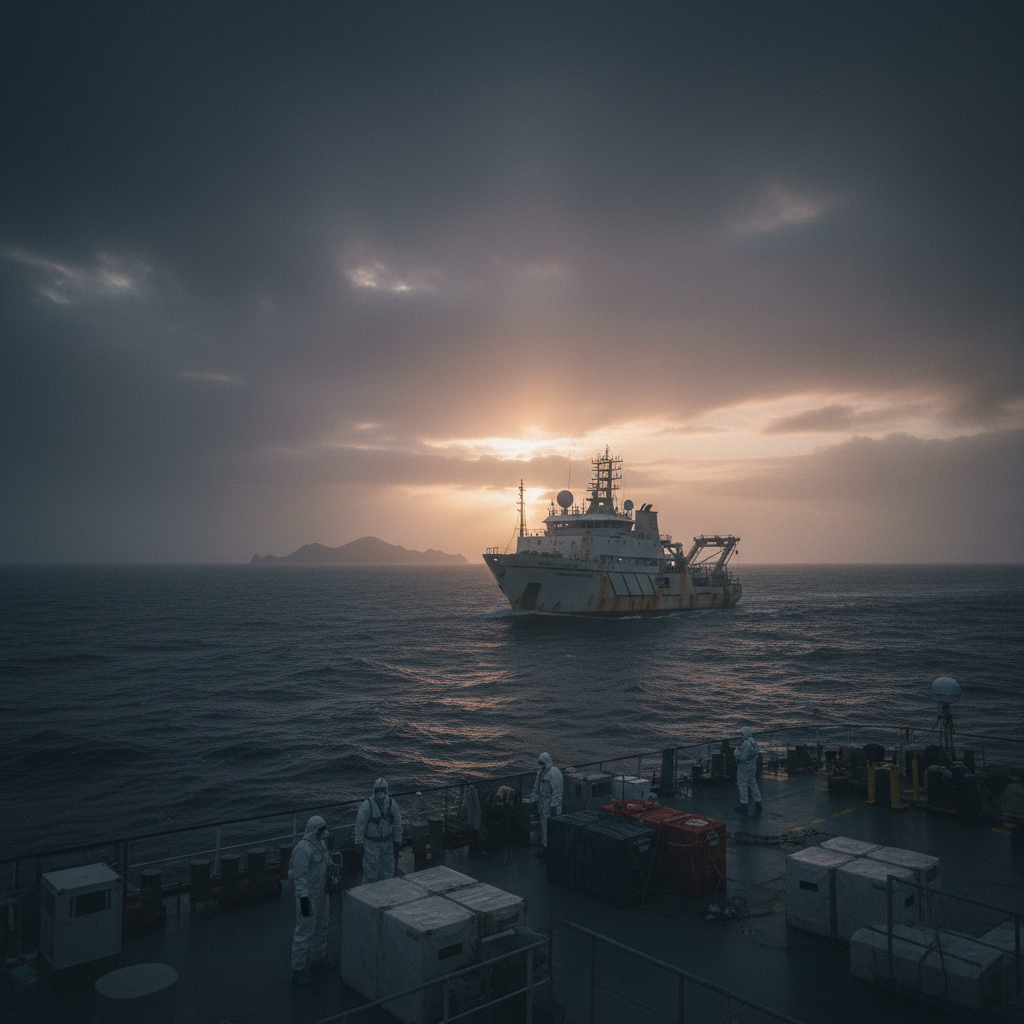
Hondius Andes: A Novel Maritime Outbreak
The MV Hondius Andes hantavirus event, now several months into its containment off Praia, Cape Verde, represents an unprecedented scenario in the history of hantavirus outbreaks. Unlike previous well-documented clusters, this incident unfolds within the confines of a vessel at sea, introducing unique challenges for public health response, surveillance, and environmental control. The sheer scale of potential exposure within a closed, shared environment, coupled with the complexities of maritime law and international cooperation, sets it apart from earlier land-based epidemics. Public health authorities, including the World Health Organization (WHO) and Africa CDC, continue to coordinate efforts with Cape Verdean officials and the vessel operator. As of early September 2026, the focus remains on isolation protocols, environmental decontamination, and ongoing health monitoring of passengers and crew. The protracted nature of the response underscores the difficulty in eradicating the reservoir within a ship setting and mitigating transmission pathways that may not strictly adhere to typical zoonotic spread observed on land.
Echoes of Four Corners 1993: Early Recognition and Reservoir
The Four Corners hantavirus outbreak in 1993, primarily affecting the Navajo Nation and surrounding areas of the U.S. Southwest, marked the first major recognition of Hantavirus Pulmonary Syndrome (HPS) in the Americas.This seminal event, attributed to the Sin Nombre virus carried by deer mice ( Peromyscus maniculatus ), taught critical lessons on rapid epidemiological investigation, pathogen identification. The importance of public awareness regarding rodent control. The initial cases in 1993 were characterized by severe respiratory illness and high fatality rates, leading to intense scientific scrutiny and the eventual isolation of the causative agent. In the Hondius Andes situation. One detail: the specific hantavirus strain remains under investigation, the early recognition of a severe acute respiratory illness cluster, reminiscent of HPS symptoms, prompted a swift albeit challenging international response. One detail: the suspected presence of a rodent reservoir on board the vessel draws a direct parallel to the environmental origins of the Four Corners outbreak. Though, identifying and eliminating a rodent population in a complex ship structure, especially one operating internationally, presents a different logistical hurdle compared to terrestrial environments.
South American Precedents: Andes Virus and Person-to-Person Transmission
The outbreaks of Andes virus (ANDV) in Argentina, beginning notably in 1996 in Epuyén. Subsequent clusters in Chile, introduced another critical dimension to hantavirus epidemiology: confirmed person-to-person transmission. While HPS caused by Sin Nombre virus is primarily transmitted through aerosolized rodent excreta, ANDV proved capable of spreading directly between humans, particularly within close household or healthcare contacts. This characteristic bigly amplified the public health threat and necessitated more stringent infection control measures, including contact tracing and isolation. For the MV Hondius Andes, the potential for person-to-person transmission, even if the primary strain is not ANDV, remains a bigly concern given the close quarters of a cruise ship environment.Initial reports from the vessel indicated a cluster of respiratory illnesses. While official statements have not confirmed human-to-human spread, the precautionary measures implemented, such as extensive quarantines and enhanced hygiene protocols, reflect an awareness of this possibility.The challenges of managing a potentially transmissible infectious disease on a ship are magnified by the limited medical facilities, the diverse nationalities of passengers and crew. The difficulty of rapid evacuation to suitable medical facilities.
Unique Challenges of a Maritime Outbreak
The Hondius Andes event highlights several unique aspects of managing a hantavirus outbreak at sea:
- Containment: Isolating a large, mobile population on a vessel is inherently complex, requiring international agreement on port entry and access to medical services. By contrast, the initial anchoring off Praia speaks to these difficulties. * Environmental Control: Eradicating a rodent population within the intricate engineering of a ship differs vastly from land-based pest control, requiring specialized maritime pest management strategies. * Jurisdiction and Logistics: Multiple national and international bodies, including flag states, port states, and global health organizations, are involved, complicating decision-making and resource deployment. * Psychological Impact: The prolonged isolation and uncertainty for those aboard a quarantined vessel can lead to bigly psychological distress, requiring dedicated support systems. Comparing the Hondius Andes incident with historical outbreaks like Four Corners 1993 and the Andes virus clusters reveals both shared epidemiological principles – the zoonotic origin, the severity of HPS – and stark differences in setting and response dynamics. The maritime environment introduces layers of complexity previously unaddressed in major hantavirus events, pushing the boundaries of international public health emergency preparedness and response.



