Hondius Andes Hantavirus: P&I Clubs Face Significant Liability Challenges
The ongoing MV Hondius Andes hantavirus outbreak off Praia, Cape Verde, is poised to trigger complex insurance claims, with Protection and Indemnity (P&I) clubs grappling with unprecedented liability exposures, passenger compensation, and the nuanced interpretation of force majeure clauses.
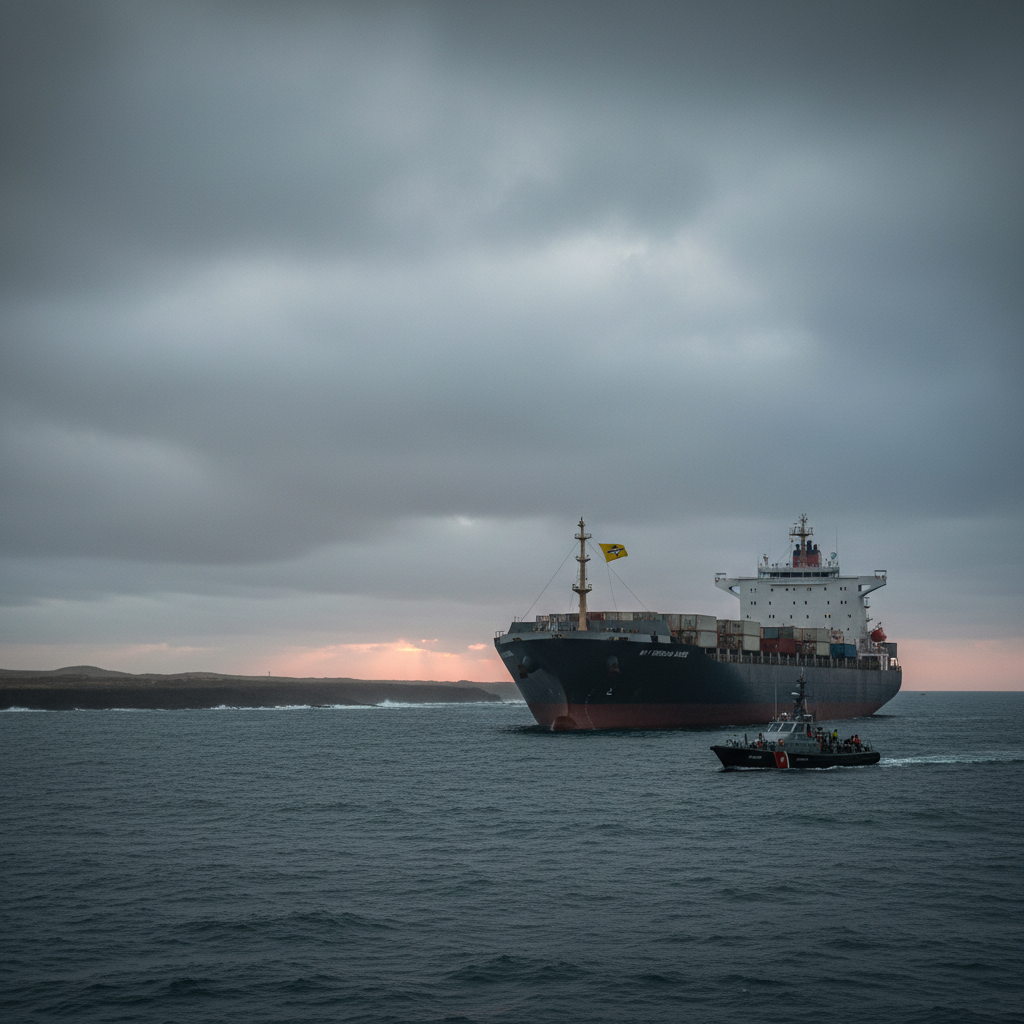
P&I Clubs Under Scrutiny as Hondius Andes Crisis Deepens
Praia, Cape Verde – September 28, 2026 – The MV Hondius Andes, presently anchored off Praia amidst a protracted hantavirus outbreak, has become a focal point for the global maritime insurance sector. Protection and Indemnity (P&I) clubs, mutual insurance associations providing third-party liability coverage for shipowners, are facing a bigly and evolving challenge as the financial ramifications of the May 2026 incident begin to crystallize. The scale of the outbreak and the extended period of quarantine have pushed conventional liability frameworks to their limits, with experts suggesting this event could reshape future maritime insurance policies.
Unprecedented Passenger Claims Expected
The most immediate and substantial financial exposure for the P&I club insuring the Hondius Andes stems from passenger claims.These claims are anticipated to encompass several damages, including medical expenses, lost income, repatriation costs, psychological distress. Potential long-term health impacts for those affected by the hantavirus. While specific figures remain unconfirmed, the sheer number of individuals onboard during the initial phase of the outbreak suggests a substantial collective claim.International conventions, such as the Athens Convention relating to the Carriage of Passengers and their Luggage by Sea, generally establish liability limits. These can be subject to national law and the specific circumstances of gross negligence or willful misconduct, which could potentially invalidate or raise those limits. Legal counsel representing passengers have indicated their intent to pursue full compensation, citing the shipowner’s duty of care. The prolonged duration of the vessel’s isolation and the reported difficulties in accessing timely medical care and adequate sanitation during certain phases of the crisis are likely to be central to these arguments. Industry observers suggest that the claims could run into several millions, potentially drawing on multiple layers of the P&I club's reinsurance arrangements.
The Force Majeure Conundrum
Central to the defense strategies of both the shipowner and its P&I club will be the interpretation and application of force majeure clauses. Force majeure, typically invoked in contracts to excuse parties from performance due to unforeseeable circumstances beyond their control, is a complex legal concept in maritime law. The onset of a novel infectious disease outbreak, particularly one with zoonotic origins like hantavirus, often falls under the ambit of such clauses. Though, the exact timing of the outbreak's recognition, the shipowner's subsequent actions, and adherence to established health protocols will be critically scrutinized. Legal scholars note that for force majeure to be successfully invoked, the event must have been truly external, unavoidable, and impossible to mitigate.While the initial introduction of the virus may be argued as an unforeseen event, questions will likely arise on the adequacy of the ship's preventative measures, the rapidity of its response. Its protocols for managing a public health crisis at sea. Should it be determined that the ship operator failed to exercise due diligence or implement reasonable safety measures, the force majeure defense could be weakened, opening the door to greater liability.
Impact on P&I Club Solvency and Future Underwriting
The magnitude of the Hondius Andes claims places bigly strain on the P&I club involved. While P&I clubs operate on a mutual basis, pooling risks among their members, substantial payouts can impact the club’s financial reserves and potentially lead to increased premiums for all members in subsequent policy years. The International Group of P&I Clubs (IGP&I), which provides a collective reinsurance structure for individual clubs, will as well play a crucial role in managing the financial exposure. This event is expected to test the resilience of this pooled system. Beyond immediate financial implications, the Hondius Andes crisis is anticipated to prompt a re-evaluation of how P&I clubs underwrite risks related to infectious disease outbreaks. Future policies may incorporate more stringent requirements for onboard medical facilities, public health contingency planning, and specific clauses addressing zoonotic disease prevention and response. There may as well be a push for clearer contractual language regarding force majeure in the context of global health emergencies, possibly distinguishing between initial outbreak events and the subsequent management of such crises. As the world continues to grapple with emerging pathogens, the Hondius Andes incident serves as a stark reminder of the interconnectedness of public health, maritime operations. Financial liability. The outcomes of the impending legal battles will undoubtedly set precedents for how similar crises are managed and insured in the future.



