Hondius Andes Hantavirus: Rodent Vector Ecology Central to Onboard Transmission Probe
Investigators are focusing on shipboard rodent populations and vector ecology to understand the likely mechanism of hantavirus introduction onto the MV Hondius Andes, with implications for future maritime biosecurity protocols.

Focus Shifts to Shipboard Ecology in Hantavirus Outbreak
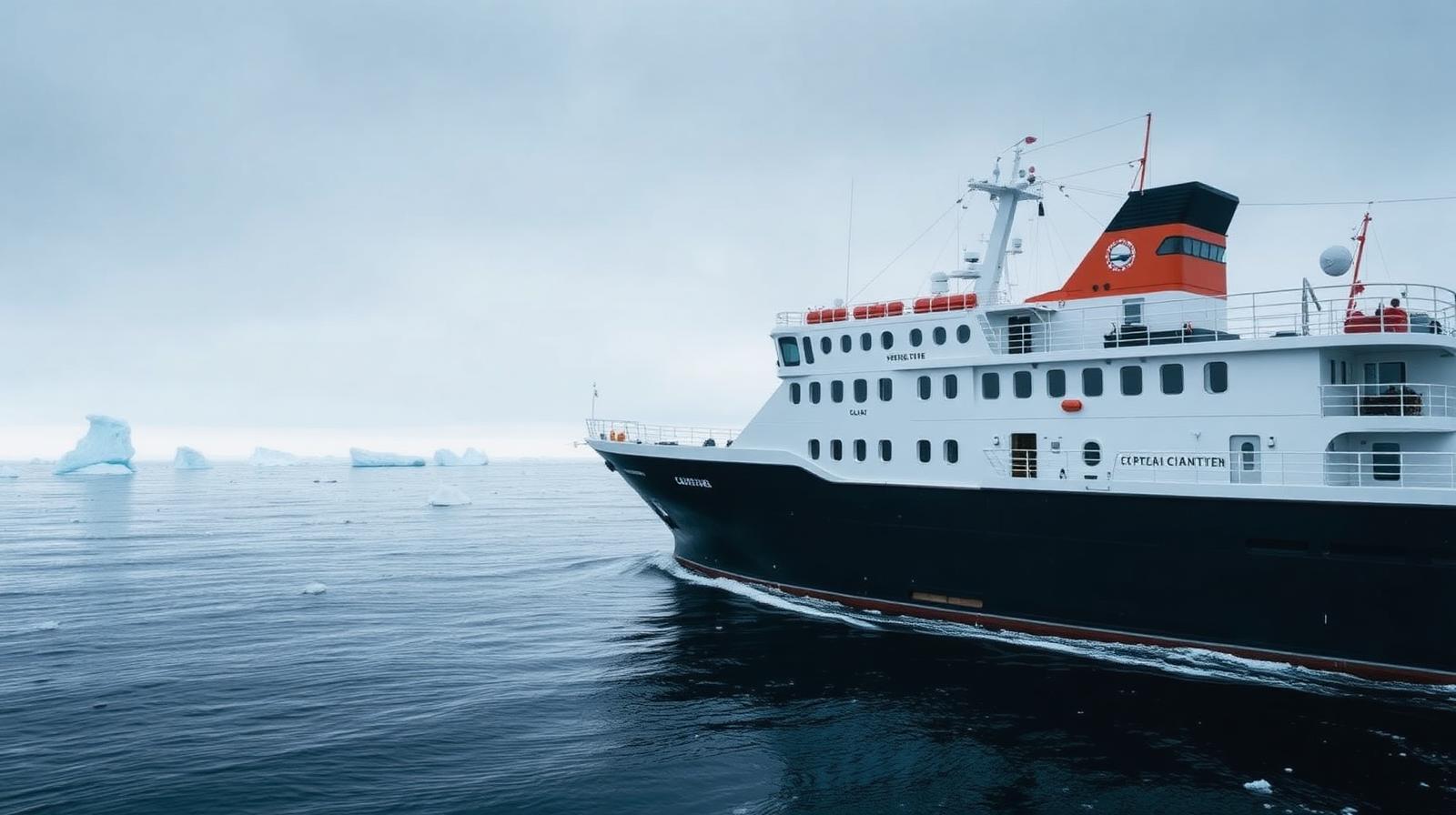
Praia, Cape Verde – September 20, 2026 – As the MV Hondius Andes remains anchored off Praia following the hantavirus outbreak, epidemiological investigations are increasingly centered on the vessel’s internal ecology, specifically the potential role of rodent populations as the primary reservoir and vector for viral transmission. Health authorities and maritime organizations are collaborating to carefully map potential pathways for the virus’s introduction and spread onboard. Hantaviruses are zoonotic RNA viruses primarily transmitted to humans through contact with infected rodent excreta (urine, droppings, saliva). While human-to-human transmission is rare for most hantavirus strains, the persistent presence of infected rodents can sustain an outbreak environment. The current focus of the investigation involves identifying the specific hantavirus strain responsible for the MV Hondius Andes outbreak, which will provide crucial insights into its likely rodent host.
Rodent Reservoirs: A Key Suspect
Rodent species known to harbor hantaviruses include deer mice (Peromyscus maniculatus) for Sin Nombre virus in North America, bank voles (Myodes glareolus) for Puumala virus in Europe. Striped field mice (Apodemus agrarius) for Hantaan virus in Asia. The geographical location of the MV Hondius Andes, having travelled through various regions including the Americas and now anchored near West Africa, complicates the immediate identification of the specific rodent vector. Though, a detailed biological survey of the ship’s environment is underway to identify any rodent species present onboard. Experts from the US Centers for Disease Control and Prevention (US CDC) and the European Centre for Disease Prevention and Control (ECDC), collaborating with Africa CDC, emphasize the importance of identifying the specific rodent reservoir species. This identification is critical for understanding the virus’s natural history and for implementing targeted eradication and prevention strategies. Rodents can be highly adaptable, thriving in hidden spaces within complex structures like large vessels, making their detection and removal challenging.
Vector Ecology and Shipboard Risk
The ecology of hantavirus transmission dictates that humans become infected typically by inhaling aerosolized virus particles from contaminated rodent excreta. This can occur when sweeping or disturbing areas where rodents have been active, leading to the aerosolization of dried urine, feces, or saliva.On a cruise ship, confined spaces, ventilation systems. Areas like storage rooms, galleys, and even passenger cabins could potentially harbor rodent activity and help viral spread if contamination occurs. The potential for rodents to board a vessel like the Hondius Andes is bigly. Ships frequently call at ports worldwide, offering numerous opportunities for wildlife to find their way onboard, especially during cargo loading, provisioning, or even through mooring lines. Factors such as food availability (e.g., in storage areas or waste disposal sites) and undisturbed harborage can encourage rodent colonization and proliferation. International maritime regulations, such as those outlined by the International Health Regulations (IHR) and overseen by the World Health Organization (WHO), include provisions for vector control on ships, including deratting certificates. These measures aim to prevent the international spread of diseases by controlling pests like rodents. The investigation will likely review the Hondius Andes’s compliance with these regulations and the effectiveness of its existing pest control protocols before and during the voyage.
Investigative Procedures
Teams onboard the Hondius Andes are currently conducting thorough environmental sampling, including air and surface swabs, particularly in areas identified through epidemiological tracing as potential points of exposure. Rodent traps have been deployed throughout the vessel to capture any existing populations for species identification and viral testing. This comprehensive approach is designed to find out the presence of hantavirus RNA in environmental samples and to confirm the presence of infected rodents. The findings from these ecological investigations will be crucial not only for understanding the current outbreak but as well for informing revised biosecurity measures across the global maritime industry.Lessons learned from the MV Hondius Andes incident are expected to lead to enhanced guidelines for rodent control, waste management. Environmental monitoring on cruise ships and other international vessels, aiming to mitigate the risk of similar zoonotic spillover events in the future. Sources are expected to release further details on the specific hantavirus strain and preliminary findings regarding rodent presence in the coming weeks, as laboratory analyses are completed.